
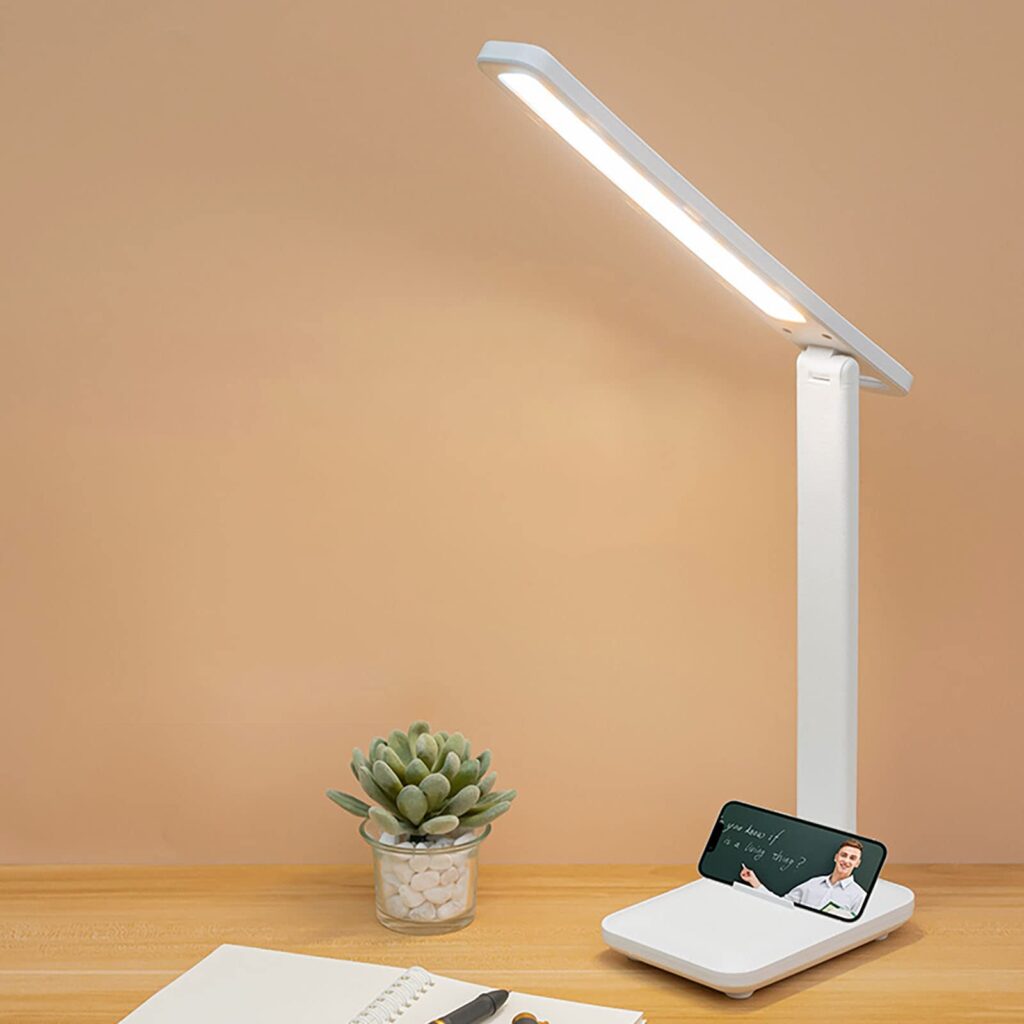
As we become more aware of the importance of energy efficiency, LED lighting has emerged as a game-changer in reducing our carbon footprint. With its numerous benefits and advantages, LED lighting is an excellent choice for homeowners looking to upgrade their home’s ambiance while saving energy.
The Power of Energy Efficiency: Why LED Lighting Matters
In terms of energy savings, LED lighting is estimated to bring in around $10 million annually across Europe. This is a staggering figure that highlights the potential of LED lighting to make a significant impact on our environment. One of the key advantages of LED lighting is its long lifespan, which can last up to 20 times longer than traditional incandescent bulbs.
What Makes LED Lighting So Special?
LED lighting stands out from the rest due to its unique characteristics, including:
- High Efficiency: LEDs produce light while minimizing energy loss, making them a more efficient option compared to traditional lighting methods.
- Color Temperature: LEDs come in different color temperatures, ranging from warm white to cool white, allowing homeowners to choose the perfect tone for their space.
- Design Flexibility: LED lights are available in a variety of shapes and sizes, enabling designers to create unique and innovative lighting solutions.
A Brief History of LED Technology
The first LED was developed in 1962, but it wasn’t until recent years that the technology gained widespread acceptance. Today, LEDs are used in an array of applications, from consumer electronics to automotive lighting. The development of white LEDs has further expanded the possibilities for designers and homeowners alike.
Unlocking the Potential of White LEDs
White LEDs have revolutionized the world of lighting by providing a more versatile and energy-efficient alternative to traditional incandescent bulbs. With their high color temperature, white LEDs can create a range of ambiance settings, from warm and cozy to bright and energizing.
The Future of LED Lighting: OLED Technology on the Horizon
While LEDs continue to dominate the market, researchers are exploring new technologies that promise even greater efficiency and innovation. One such technology is OLED (Organic Light-Emitting Diode), which uses organic materials instead of crystalline structures. While still in its infancy, OLED technology holds immense potential for revolutionizing the world of lighting.
Choosing the Right LED Lighting for Your Home
With so many options available, selecting the right LED lighting can be overwhelming. Here are some popular options to consider:
- LED E27 Bulbs: Perfect for creating a warm and cozy ambiance, these bulbs are ideal for living rooms and bedrooms.
- MR16 LED Lights: These slim-line lights are perfect for accentuating architectural features or creating dramatic effects in hallways and stairwells.
- Color-Changing LED Lighting: Add some excitement to your space with color-changing LED lights that can be programmed to respond to different moods and occasions.
Frequently Asked Questions:
- What is the lifespan of an average LED bulb?
- The lifespan of an average LED bulb varies depending on usage, but most last between 25,000 to 50,000 hours.
- How much energy do LEDs consume compared to traditional incandescent bulbs?
- LEDs typically consume around 10-20% less energy than traditional incandescent bulbs.
- Can I use LED lights in outdoor applications?
- Yes, LED lights are perfect for outdoor use due to their water-resistance and durability.
- Are white LEDs suitable for all lighting applications?
- While white LEDs can be used in a variety of applications, they may not be the best choice for tasks that require high color accuracy, such as graphic design or photography.
- How do I choose the right color temperature for my space?
- The ideal color temperature depends on your personal preference and the intended use of the space. A general rule of thumb is to choose a color temperature between 2700K-5000K for warm and cozy spaces, while cooler temperatures (5000K-6500K) are better suited for bright and energizing environments.
Conclusion:
In conclusion, LED lighting offers an array of benefits that make it an attractive choice for homeowners looking to upgrade their home’s ambiance while saving energy. From its high efficiency and long lifespan to its design flexibility and color temperature options, LEDs have revolutionized the world of lighting. As we continue to explore new technologies like OLED, one thing is certain – LED lighting will remain a dominant force in shaping our living spaces for years to come.
Tips for Maximizing Energy Savings with LED Lighting
To make the most of your LED lighting investment, follow these tips:
- Use smart home devices: Smart home devices can help you monitor and control your energy usage, ensuring that your LED lighting is running at optimal levels.
- Adjust light intensity: Adjusting the light intensity based on natural light availability or occupancy patterns can lead to significant energy savings.
- Schedule lighting: Scheduling your LED lights according to specific times of day or week can help minimize unnecessary energy consumption.
Sustainability and Environmental Impact
LED lighting has a positive impact on the environment, reducing our carbon footprint through:
- Reduced greenhouse gas emissions: By using less energy, we reduce our reliance on fossil fuels and decrease greenhouse gas emissions.
- Less waste generation: LEDs have a longer lifespan than traditional bulbs, resulting in reduced waste and less material needed for production.
Conclusion:
In conclusion, LED lighting offers an array of benefits that make it an attractive choice for homeowners looking to upgrade their home’s ambiance while saving energy. From its high efficiency and long lifespan to its design flexibility and color temperature options, LEDs have revolutionized the world of lighting. By choosing the right LED lighting for your space, selecting the right products, and maximizing energy savings, you can create a more sustainable and environmentally friendly living environment.
The Future of Energy Efficiency
As we move forward in our pursuit of energy efficiency, it’s essential to consider emerging technologies like solar power, wind energy, and biofuels. By exploring these options and integrating them into our daily lives, we can work towards creating a more sustainable future for generations to come.


