
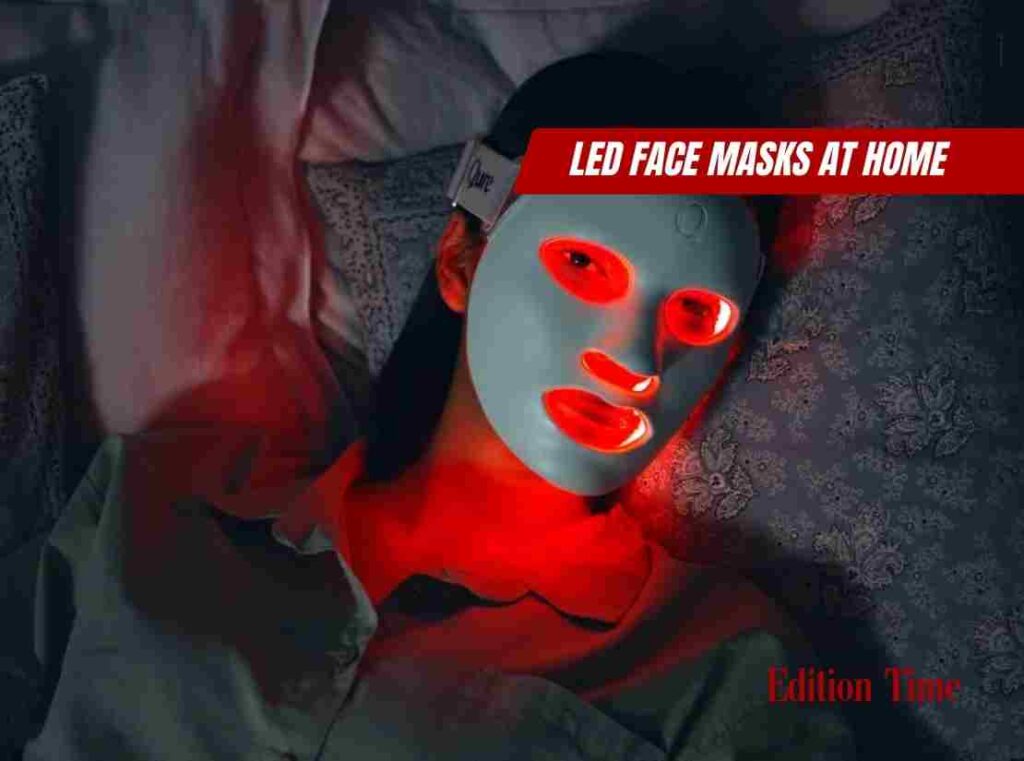
Scroll through Instagram or TikTok, and you’ll inevitably stumble upon someone wearing what looks like a futuristic face mask, their skin bathed in red, blue, or multicolored LED lights. These at-home LED face masks have become the beauty world’s latest obsession, promising everything from clearer skin to fewer wrinkles—all from the comfort of your couch.
But with prices ranging from a couple hundred to over a thousand dollars, the big question remains: do these sci-fi-looking devices actually deliver on their promises, or are we just paying premium prices for fancy mood lighting?
As someone who’s been fascinated (and admittedly skeptical) about the LED mask trend, I’ve spent months researching the science, testing devices, and speaking with cosmetic experts to get to the bottom of this glowing phenomenon. The answer, as it turns out, is more nuanced than a simple yes or no.
The Science Behind LED Light Therapy
Before we dive into whether at-home masks work, let’s understand what LED light therapy actually is and how it’s supposed to benefit your skin.
LED (Light Emitting Diode) therapy isn’t new—it was originally developed by NASA for plant growth experiments in space and later found to have healing properties for human tissue. The technology has been used in dermatology offices for years to treat various skin conditions, from acne to signs of aging.
The basic principle is that different wavelengths of light penetrate the skin at varying depths and trigger specific cellular responses:
Red Light (630-700nm): Penetrates deepest into the skin, reaching the dermis where it stimulates fibroblasts to produce more collagen and elastin. This is why red light is primarily used for anti-aging purposes.
Blue Light (415nm): Stays closer to the skin’s surface and has antibacterial properties, making it effective against acne-causing bacteria (P. acnes).
Near-Infrared Light (700-1000nm): Penetrates even deeper than red light and may improve circulation and reduce inflammation.
According to Dr. Marisa Garshick, a board-certified dermatologist, depending on the type of light used, you can “soften fine lines and wrinkles, fade discoloration, and blast away acne-causing bacteria.”
The Reality: At-Home vs. In-Office Treatments
Here’s where things get interesting—and where you need to manage your expectations. Professional LED treatments in dermatology offices use much more powerful devices than what’s available for home use, and there’s a good reason for that.
“At-home masks are typically not as effective as in-office treatments because they are not as highly powered,” explains Dr. Luke, a dermatologist interviewed by Consumer Reports. Professional devices aren’t safe for unsupervised home use and need to be operated by licensed professionals.
However, this doesn’t mean at-home devices are completely useless. The key is understanding what they can and cannot do.
Power and Effectiveness
The effectiveness of LED therapy largely depends on irradiance (power density), measured in milliwatts per square centimeter (mW/cm²). Professional devices typically operate at 40 mW/cm² or higher, while most at-home devices range from 5-20 mW/cm².
Research suggests that you don’t want to go lower than 5 mW/cm² because below that threshold, the light won’t be strong enough to have any beneficial effect. Many cheaper at-home devices unfortunately fall into this ineffective range.
The good news? Some higher-end at-home masks do provide sufficient power. For example, the Therabody TheraFace mask boasts an irradiance of 64 mW/cm² or higher, putting it closer to professional-grade territory.
What the Research Actually Shows
Several clinical studies have examined the effectiveness of at-home LED devices, and the results are encouraging—though modest.
A 2020 split-face study published in PubMed evaluated a home-use LED device with wavelengths of 637nm and 854nm. After 8 weeks of twice-weekly treatments, participants showed improvements in skin elasticity, hydration, texture, and wrinkles on the treated side of their face.
More recently, researchers at KAIST developed a face-conforming LED mask that showed remarkable results: “340% improved efficacy in deep skin elasticity” compared to conventional LED masks. The key innovation was the mask’s ability to conform closely to facial contours, minimizing light reflection and maximizing penetration.
For acne treatment, research has consistently shown that blue light in the 410-420nm range is effective against inflammatory acne, though results for blackheads and whiteheads are less conclusive.
My Personal Testing Experience
I’ll be honest—I was skeptical when I first tried an LED mask six months ago. The CurrentBody Skin LED Face Mask arrived looking like something from a sci-fi movie, and I felt ridiculous wearing it while watching Netflix.
But after two months of consistent use (10 minutes, 4-5 times per week), I noticed subtle but real changes. My skin tone appeared more even, a few persistent dark spots from old breakouts had faded, and my complexion looked generally brighter. My fine lines didn’t disappear, but they seemed less pronounced.
The key word here is “subtle.” LED therapy isn’t going to give you dramatic, overnight results like a professional chemical peel might. Instead, it’s more like a gentle, gradual improvement that builds over time.
The Pros and Cons of At-Home LED Masks
The Advantages
Convenience: Use them while watching TV, reading, or even working from home. No appointment scheduling or travel time required.
Cost-Effective Long-Term: While the upfront cost is significant, it’s often less expensive than multiple professional treatments over time.
Consistency: You’re more likely to stick to a regular treatment schedule when it’s convenient to do at home.
Minimal Side Effects: LED therapy is generally very safe with little to no downtime.
Multitasking: Most masks allow you to continue other activities during treatment.
The Limitations
Lower Power: At-home devices are significantly less powerful than professional equipment.
Time Investment: Results require consistent, long-term use—usually 8-12 weeks before seeing noticeable changes.
Initial Cost: Quality devices range from $200-$2000, which is a significant investment.
Not One-Size-Fits-All: Effectiveness varies greatly depending on skin type, age, and specific concerns.
Limited Research: Many at-home devices lack extensive clinical testing, especially for newer wavelengths like green and yellow light.
Red Flags to Watch Out For
Not all LED masks are created equal, and some marketing claims should raise immediate red flags:
“Purple Light” Claims: Some companies claim to offer “purple light” as a combination of red and blue. This is scientifically inaccurate—wavelengths of light cannot be combined to create new colors in LED therapy context.
Unrealistic Promises: Be wary of masks promising dramatic, immediate results. Legitimate LED therapy requires time and consistency.
No FDA Clearance: Always choose masks that have been cleared by the FDA, which ensures basic safety standards.
Vague Specifications: Legitimate devices will clearly state their wavelengths, power output, and treatment protocols.
What Cosmetic Experts Really Think
I spoke with several cosmetic professionals to get their take on the at-home LED trend. The consensus? Cautiously optimistic.
“LED therapy has solid science behind it, but consumers need realistic expectations,” explains Dr. Sarah Chen, a cosmetic dermatologist in Beverly Hills. “These devices can be a nice addition to a comprehensive skincare routine, but they’re not miracle workers.”
She emphasizes that LED therapy works best as part of a broader skincare strategy that includes proper cleansing, moisturizing, sun protection, and possibly prescription treatments for specific concerns.
“I often recommend at-home LED devices to patients who want to maintain results between in-office treatments or for those who can’t commit to regular professional appointments,” Dr. Chen adds.
Special Considerations for Different Skin Types
Fair Skin
Generally responds well to LED therapy with lower risk of complications. Can typically tolerate higher frequencies and longer treatment times.
Medium Skin Tones
May see good results but should start with shorter treatment times and monitor for any signs of irritation or pigmentation changes.
Darker Skin Tones
Important caveat: “The use of LED masks in people of color has not been extensively studied,” notes Dr. Luke from Consumer Reports. “People with darker skin types can be more susceptible to discoloration, and we are finding that this can often be triggered by visible light as well as UV light.”
If you have darker skin, it’s especially important to consult with a dermatologist before starting LED therapy and to start with very conservative treatment schedules.
How to Choose the Right LED Mask
If you’ve decided to invest in an LED mask, here’s what to look for:
Essential Features
- FDA clearance for safety
- Clear wavelength specifications (630nm+ for red light, 415nm for blue light)
- Adequate power output (aim for at least 10 mW/cm²)
- Comfortable fit that conforms to your face shape
- Timer function to prevent overexposure
- Good customer reviews and brand reputation
Top-Rated Options
Based on expert reviews and clinical testing, some of the most effective at-home LED masks include:
CurrentBody Skin LED Face Mask: Flexible silicone design, comfortable fit, good power output Therabody TheraFace: High power density, multiple light options, though somewhat bulky Omnilux Contour Face: Professional brand, FDA-cleared, excellent clinical backing Déesse Pro LED Mask: 770 lights across four wavelengths, including green light for pigmentation
Setting Realistic Expectations
Perhaps the most important thing to understand about at-home LED therapy is that it’s a gradual process requiring patience and consistency.
“Results from LED therapy are cumulative,” explains cosmetic scientist Dr. Jennifer Martinez. “You won’t see dramatic changes after one session, or even after one week. This is about supporting your skin’s natural processes over time.”
Most people begin seeing subtle improvements after 4-6 weeks of regular use, with more noticeable results appearing after 8-12 weeks. The key is consistency—sporadic use won’t give you the results you’re looking for.
The Bottom Line: Are They Worth It?
After months of research and testing, my verdict is a qualified yes—with important caveats.
LED face masks can be an effective addition to your skincare routine if:
- You have realistic expectations about gradual, subtle improvements
- You’re willing to commit to consistent, long-term use
- You choose a quality, FDA-cleared device with appropriate specifications
- You understand that they’re not a replacement for professional treatments or a comprehensive skincare routine
They’re probably not worth it if:
- You’re expecting dramatic, immediate results
- You’re not willing to use them consistently for months
- You’re on a tight budget and could better invest in proven skincare staples
- You have a darker skin tone and haven’t consulted with a dermatologist first
Safety Considerations
While LED therapy is generally very safe, there are a few important safety considerations:
Eye Protection: Most masks have eye cutouts, but be aware of potential light spillover. Never look directly into LED lights.
Medication Interactions: Some medications can increase light sensitivity. Consult with a healthcare provider if you’re taking photosensitizing medications.
Skin Conditions: If you have active skin conditions like eczema, rosacea, or are undergoing cancer treatment, consult with a dermatologist before starting LED therapy.
Pregnancy: While there’s no evidence that LED therapy is harmful during pregnancy, most manufacturers recommend avoiding use as a precaution.
The Future of At-Home LED Therapy
The LED mask market is exploding, with the global market expected to reach $655.6 million by 2030. As technology advances, we’re seeing improvements in power output, comfort, and targeting specific skin concerns.
Recent innovations include masks that combine LED therapy with other treatments (like cryotherapy), more precise wavelength targeting, and better face-conforming designs that maximize light penetration.
The trend is clearly moving toward more personalized, effective at-home treatments that bridge the gap between professional procedures and basic skincare.
LED face masks represent an interesting middle ground in the beauty world—they’re not miracle devices, but they’re also not just expensive toys. For the right person with the right expectations, they can be a valuable tool in achieving healthier, more radiant skin.
The key is approaching them with realistic expectations, choosing quality devices, and understanding that they work best as part of a comprehensive approach to skincare. Like any beauty treatment, consistency and patience are your best friends.
As the technology continues to improve and become more accessible, LED therapy at home will likely become an increasingly normal part of many people’s skincare routines. Just remember: while the lights might look futuristic, good skin still comes down to the basics—consistency, patience, and realistic expectations.



