
Introduction
As we continue to navigate the challenges of climate change and environmental degradation, it’s essential to explore innovative solutions that can help reduce our carbon footprint. One such solution lies in the realm of lighting, specifically with the use of LED (Light Emitting Diode) bulbs. In this article, we’ll delve into the world of LED lighting, exploring its benefits, challenges, and how it can revolutionize the way we think about energy efficiency.
What are LED Lights?
LED lights have become ubiquitous in our daily lives, from the soft glow of our smartphones to the bright illumination of our streetlights. But what sets them apart from traditional incandescent bulbs? The answer lies in their fundamental nature. LEDs use semiconductors to produce light, unlike incandescent bulbs which burn a filament to create heat and light.
The Science Behind LED Lights
To understand how LEDs work, let’s take a closer look at the science behind them. LEDs are made up of two main components: p-type and n-type semiconductor materials. When an electric current is passed through these materials, it creates a flow of electrons that recombine with holes, producing light. This process is known as electroluminescence.
Energy Efficiency: A Key Advantage
One of the most significant advantages of LED lights is their energy efficiency. Compared to traditional incandescent bulbs, LEDs consume significantly less power while producing the same amount of light. For example, a 40W incandescent bulb produces 490 lumens, whereas an LED equivalent consumes only 3.4 watts per hour. This translates to a substantial reduction in energy consumption and a corresponding decrease in greenhouse gas emissions.
The Durability of LEDs
Another critical aspect of LEDs is their durability. While incandescent bulbs have a lifespan of around 1,000 hours, LEDs can last up to 100,000 hours or more, equivalent to 11 years of continuous use. This means that once installed, LED lights require minimal maintenance and can continue to provide reliable illumination for many years.
Design and Aesthetics: Overcoming Initial Concerns
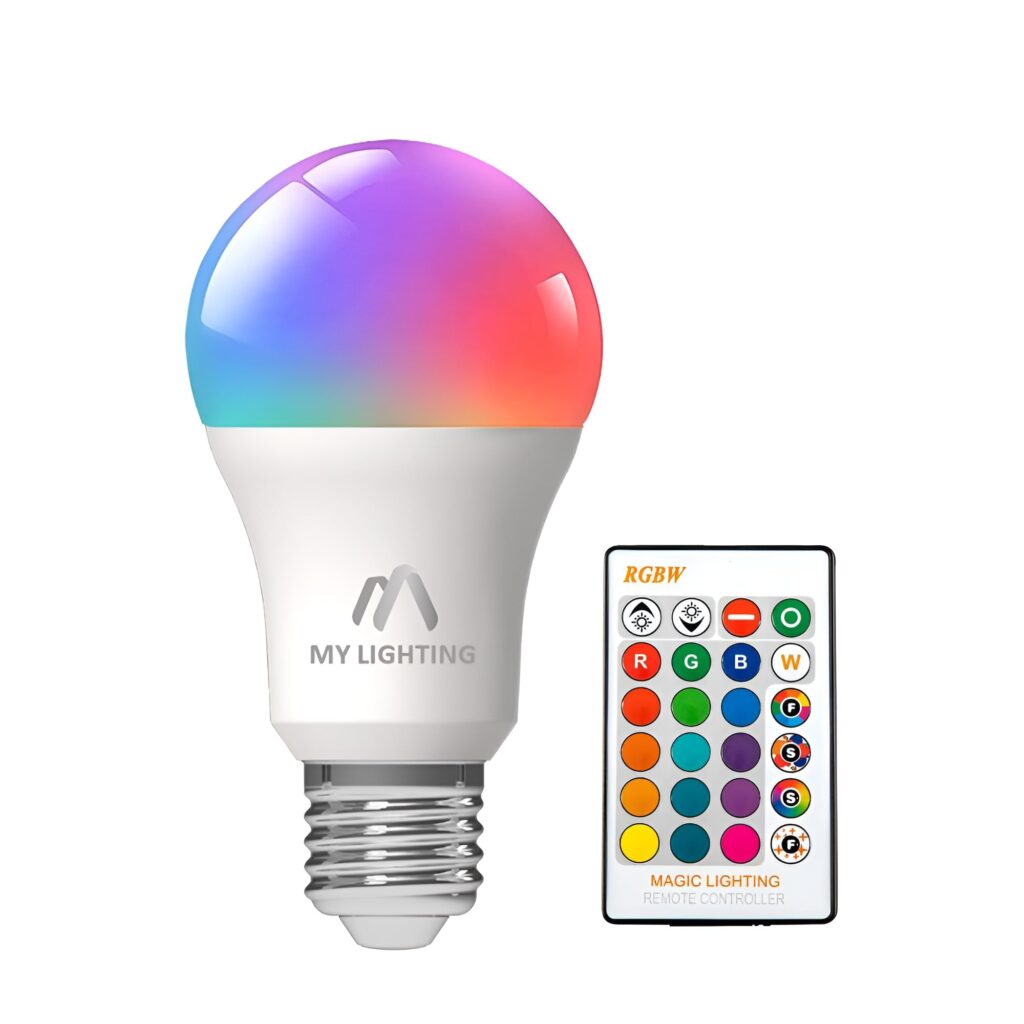
While LEDs may not be the most visually stunning option, they do offer a range of design possibilities. From soft white to bright blue, LEDs can produce different tones and hues, making them suitable for various applications. However, it’s essential to acknowledge that their initial cost can be higher than traditional bulbs.
The Financial Benefits: A Worthwhile Investment
Despite the higher upfront cost, replacing traditional bulbs with LEDs can lead to significant long-term savings on energy bills. For instance, a single LED bulb can reduce energy consumption by up to 80% compared to an incandescent equivalent. This translates to substantial cost savings over time.
Real-World Applications: A Practical Example
To illustrate the potential of LEDs, let’s consider a practical example. A 10.8W LED bulb producing 810 lumens is equivalent in brightness to a 60W incandescent bulb consuming 250 watts. By switching to an LED, you can enjoy the same level of illumination while reducing energy consumption by up to 85%.
Case Study: A City’s LED Lighting Initiative
The city of Portland, Oregon, has implemented a comprehensive LED lighting initiative as part of its sustainability goals. The city aims to reduce energy consumption and greenhouse gas emissions through the widespread adoption of LED streetlights. By replacing traditional high-pressure sodium (HPS) lamps with LEDs, Portland is expected to save millions of dollars in energy costs while reducing its carbon footprint.
Conclusion: The Future of Energy Efficiency
As we move forward, it’s clear that LEDs will play a crucial role in shaping the future of energy efficiency. With their numerous benefits, including reduced energy consumption and extended lifespan, LEDs offer a viable solution for households and businesses seeking to minimize their environmental footprint.
Frequently Asked Questions
- What is the primary advantage of LED lights compared to traditional incandescent bulbs?
LEDs consume significantly less power while producing the same amount of light. - How long do LED lights typically last?
LEDs can last up to 100,000 hours or more, equivalent to 11 years of continuous use. - What is the initial cost of LED lights compared to traditional bulbs?
While LEDs may be more expensive upfront, their long-term savings on energy bills make them a worthwhile investment. - Can LEDs produce different tones and hues?
Yes, LEDs can produce various colors, including white, blue, green, and red. - Are there any health risks associated with using LED lights?
There is no conclusive evidence to suggest that LED lights pose a significant health risk. - How do I choose the right LED bulb for my needs?
Consider factors such as brightness, color temperature, and energy consumption when selecting an LED bulb. - Can I use any LED bulb in any fixture?
No, it’s essential to ensure that the LED bulb is compatible with your specific fixture or application. - Are LEDs suitable for outdoor use?
Yes, many LED bulbs are designed specifically for outdoor applications and can withstand extreme weather conditions.
Future Developments: Advancements in LED Technology
As research and development continue, we can expect significant advancements in LED technology. Some of the emerging trends include:
- High-Efficiency LEDs: New materials and designs are being developed to create even more energy-efficient LEDs.
- Flexible LEDs: Flexible LEDs are being designed for use in a variety of applications, including wearable devices and flexible displays.
- Organic LEDs: Organic LEDs are being developed using new materials that can be applied to a wide range of substrates.
Conclusion: The Impact of LED Lighting on Our Future
The future of energy efficiency is bright, thanks to the innovative technology behind LED lighting. By embracing the benefits of LEDs and driving innovation in this field, we can create a more sustainable future for ourselves and generations to come.


