
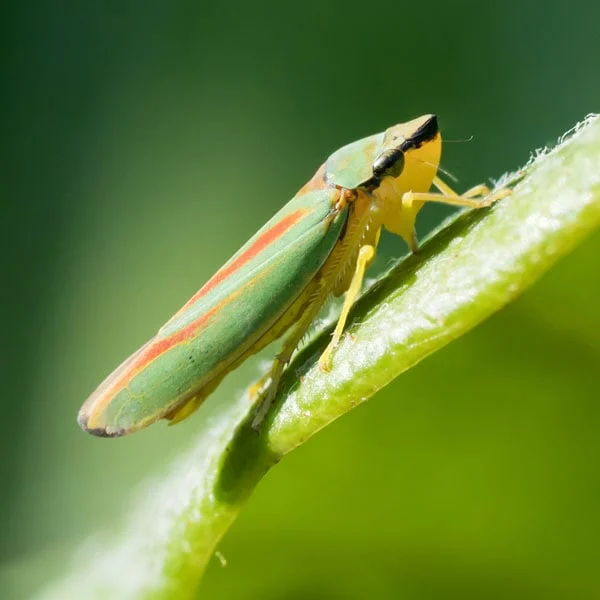
As we tend to our gardens and orchards, it’s easy to overlook the tiny but potent creatures that can wreak havoc on our plants. Cicaline, also known as cicadas, may seem harmless due to their name and appearance, but they can cause significant damage, particularly to aromatic herbs like rosemary and lavender, and even tomato plants.
What are Cicaline?
Cicaline are a type of insect characterized by their long antennae and powerful beaks. These tiny creatures feed on plant sap using their beaks, which allows them to extract nutrients from the plant’s vital fluid. With their slender bodies and microscopical eggs, it’s challenging to identify these insects, especially as they go through five stages of development before reaching adulthood. Unlike other insects, cicaline are not picky eaters and can feed on both herbaceous and arboreal plants, including those that are cultivated or spontaneous.
The Dangers of Cicaline on Rosemary
Rosemary is one of the most susceptible plants to cicaline damage. These insects can cause direct harm by sucking the plant’s vital fluid through their powerful beaks, leading to discoloration and deformation of the leaves. Moreover, some species of cicaline can transmit viruses, bacteria, and fitoplasms, which can further compromise the plant’s health.
Cicaline and Fruit Damage
The damage caused by cicaline can extend beyond just the leaves. Some species, such as Cicadella viridis, can also infest fruit, producing excessive amounts of sticky substance called honeydew, which can attract other pests and create an ideal environment for fungal growth.
Natural Remedies for Cicaline
While chemical pesticides are often used to control cicaline populations, there are natural remedies that can be employed to deter these insects. One effective method is to use parassitoid wasps, such as those in the genus Anagrus, which develop within cicaline eggs and prevent them from hatching.
Another approach is to introduce companion plants that provide a food source for these wasps, effectively controlling the cicaline population. Other natural remedies include using organic pesticides like pyrethroids, neem oil, or diatomaceous earth, as well as macerating plant parts like dandelion greens or tomato leaves.
Piretro Spray: A Natural Insecticide
For those looking for a non-toxic and environmentally friendly solution, piretro sprays can be an effective option. These natural insecticides are often derived from plants and are safe for use around pets and children. By using these sprays, gardeners can protect their plants from cicaline damage without harming the environment.
Biological Control Methods
In addition to natural remedies, biological control methods can also be employed to manage cicaline populations. These methods involve introducing other organisms that prey on cicalines, such as lady beetles or lacewings, which can help regulate their numbers and prevent infestations.
Cultural Practices for Cicaline Control
Certain cultural practices can also help prevent cicaline infestations in your garden. For example, removing weeds and debris from your garden can help reduce the number of hiding places for cicalines. Additionally, using crop rotation and companion planting techniques can help create an environment that discourages cicaline populations.
Understanding Cicaline Life Cycle
To effectively manage cicaline infestations, it’s essential to understand their life cycle. Adult cicalines typically emerge in large numbers after several months of underground development. During this time, they feed on plant sap and reproduce, producing eggs that hatch into nymphs. As the nymphs grow and mature, they shed their skin several times before reaching adulthood.
Identifying Cicaline Infestations
Identifying cicaline infestations can be challenging due to their small size and similar appearance to other insects. However, looking for long antennae and powerful beaks can help distinguish them from other insects. Additionally, observing the damage caused by these insects, such as discoloration or deformation of leaves, can also indicate a cicaline infestation.
Preventing Cicaline Infestations
Preventing cicaline infestations requires proactive measures to create an environment that discourages their populations. By introducing companion plants that provide a food source for parassitoid wasps, using natural pesticides like pyrethroids or neem oil, and maintaining good garden hygiene can help prevent cicaline infestations.
Cicaline-Resistant Plants
While it’s impossible to completely eliminate cicaline populations from your garden, some plant species are more resistant than others due to their natural defenses against insect feeding and disease transmission. By incorporating these plants into your garden, you can reduce the risk of cicaline infestations.
Conclusions
Cicaline may seem like a minor nuisance, but they can cause significant harm to our gardens and orchards. Understanding what these insects are, how they damage plants, and the natural remedies available to control them is essential for any gardener or horticulturist. By taking proactive steps to prevent cicaline infestations, we can protect our beloved plants and enjoy a bountiful harvest.
Frequently Asked Questions
- What is the best way to identify cicalines?
Identifying cicalines can be challenging due to their small size and similarities in appearance. However, looking for long antennae and powerful beaks can help distinguish them from other insects. - Can cicalines transmit diseases to plants?
Yes, some species of cicalines can transmit viruses, bacteria, and fitoplasms to plants, making it essential to take preventive measures to protect your garden. - How do I prevent cicaline infestations in my garden?
By introducing companion plants that provide a food source for parassitoid wasps, using natural pesticides like pyrethroids or neem oil, and creating an environment that discourages cicalines from inhabiting your garden can help prevent infestations. - Are all species of cicalines equally damaging?
No, some species of cicalines are more damaging than others due to their feeding habits and ability to transmit diseases to plants. - Can I use chemical pesticides to control cicalines?
While chemical pesticides can provide temporary relief from cicaline infestations, they can also harm beneficial insects, pollinators, and the environment as a whole. It’s essential to explore natural remedies before resorting to chemical pesticides. - How long does it take for cicalines to develop and cause damage?
Cicalines go through five stages of development, with adults emerging after several months. The damage caused by these insects can be immediate, but the full impact may not be visible until later in the growing season. - Can I grow cicaline-resistant plants?
While it’s impossible to completely eliminate cicaline populations from your garden, some plant species are more resistant than others due to their natural defenses against insect feeding and disease transmission. - How can I use piretro sprays effectively in my garden?
By using piretro sprays as a preventative measure or when combined with other natural remedies like companion planting or biological pesticides, you can create an effective defense system against cicaline infestations.
References
- “Cicadas: A Review of the Biology and Management of Cicadellidae” by USDA Forest Service.
- “Cicada Life Cycle and Behavior” by Cornell University Cooperative Extension.
- “The Role of Parasitoid Wasps in Managing Cicadas” by University of California, Riverside.
- “Natural Pest Control Methods for Gardening” by National Gardening Association.
Glossary
- Antennae: A pair of thin, flexible structures on an insect’s head that are used for sensing and detecting their environment.
- Beak: The hard, pointed structure at the front of an insect’s mouth that is used for feeding and other functions.
- Nymph: A young stage in an insect’s life cycle that precedes adulthood.
- Parassitoid wasps: Wasps that lay eggs within the bodies of other insects, such as cicalines, and feed on their internal organs after hatching.
- Piretro spray: A natural insecticide derived from plants that is safe for use around pets and children.
Additional Tips
- Keep your garden clean by removing weeds and debris regularly to reduce hiding places for cicalines.
- Use crop rotation and companion planting techniques to create an environment that discourages cicaline populations.
- Introduce companion plants that provide a food source for parassitoid wasps, effectively controlling the cicaline population.
- Use natural pesticides like pyrethroids or neem oil as part of your integrated pest management strategy.
Appendix
- Cicaline Life Cycle Diagram
- Common Cicaline Species and Their Damage Potentials
- Natural Remedies for Cicaline Infestations


