
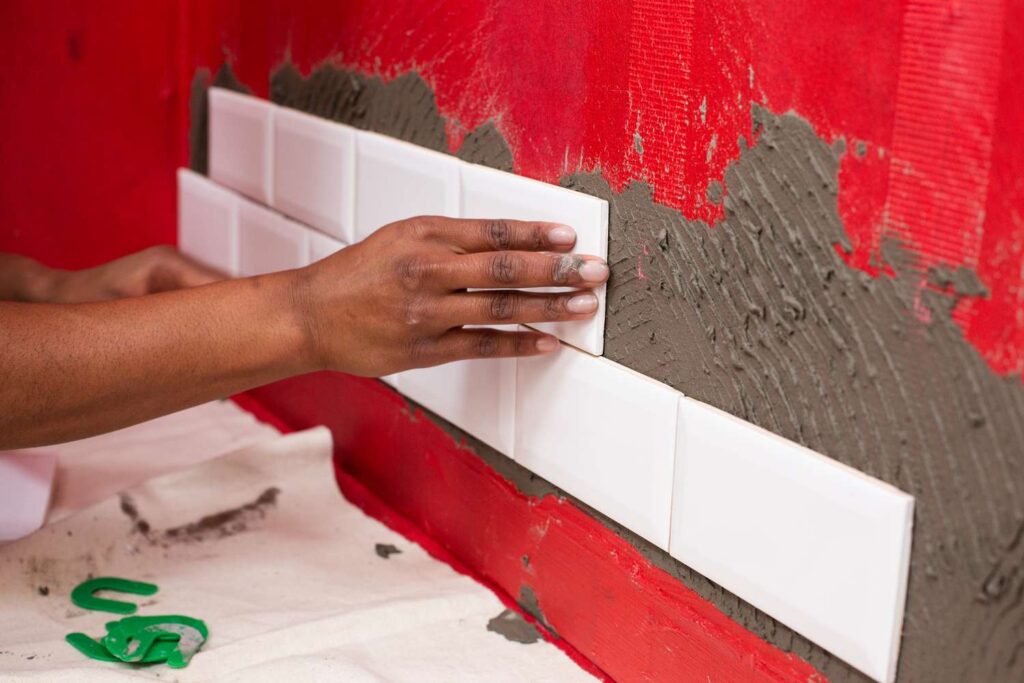
Tiling walls with ceramic tiles has several benefits. It increases the wall’s resistance, makes it easier to clean and maintain, and prevents mold growth on walls in bathrooms.
Ceramic tiles used for walls are usually thinner than those for floors, typically measuring less than 9 mm in thickness. Standard tile dimensions range from 10 x 10 to 30 x 30 cm, although customized sizes are also available. Keep in mind that ceramic tiles come in standard and non-standard sizes.
Choosing the Right Ceramic Tiles for Your Project
When selecting ceramic tiles for your project, consider the following factors:
- Material: Choose a tile material that suits your lifestyle, such as ceramic, porcelain, or natural stone.
- Design: Consider the overall aesthetic you want to achieve and choose tiles that complement it.
- Color: Pick a color palette that aligns with your interior design scheme.
- Quality: Opt for high-quality tiles made from durable materials.
Creating a Project Plan
Before starting your project, create a detailed plan. Use graph paper to sketch the area of the wall you want to tile and include any electrical outlets, mirrors, or windows on your design. This will help you visualize the layout and ensure a smooth installation process.
Measuring the Wall Area
To accurately measure the wall area, use a tape measure or a laser level to determine the dimensions of each section.
- Measure the width: Measure the width of the wall in centimeters.
- Measure the length: Measure the length of the wall in centimeters.
- Calculate the square footage: Divide the total area by 10,000 (since there are 10,000 square centimeters in a square meter).
Choosing the Right Adhesive
Selecting the right adhesive is crucial for a successful tile installation. Consider the following factors:
- Type of tile: Choose an adhesive that is compatible with your chosen tile material.
- Surface type: Select an adhesive suitable for the surface you’re tiling, such as concrete or drywall.
- Color: Opt for an adhesive color that blends with the surrounding area.
Recommended adhesives include:
- Mapei Ultra Care: A versatile and high-performance adhesive suitable for various tile materials and surfaces.
- Laticrete Level: A reliable and durable adhesive designed for use on concrete, drywall, and other surfaces.


