
Understanding the Importance of Parquet Flooring Installation
When it comes to flooring, parquet is often considered a stylish and elegant option. However, installing parquet flooring requires careful planning and execution to achieve optimal results. In this article, we will delve into the world of parquet flooring installation, exploring the various techniques, geometries, and considerations involved.
Types of Parquet Flooring Installation
1. Parquet a Correre (Running Parquet)
This is one of the most common methods of installing parquet flooring. The individual elements are arranged in a straight line, with each piece overlapping its neighbor to create a seamless joint.
Characteristics:
- Simple and classic design
- Suitable for most interior designs
- Can be used with various types of wood
2. Parquet a Spina di Pesce (Wavy Parquet)
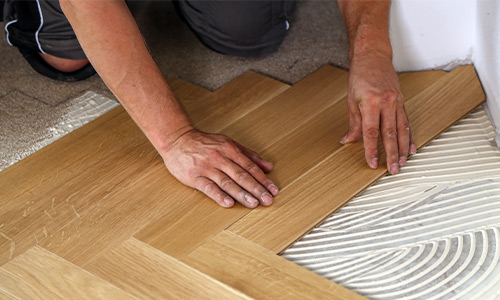
This style features a wavy pattern created by alternating the direction of the individual elements. The parquet is typically installed in a herringbone or chevron design.
Characteristics:
- Adds visual interest to rooms
- Can create a sense of movement and energy
- Requires more expertise than running parquet
3. Parquet a Quadri (Squaring Parquet)
This style involves arranging individual elements into squares, creating a mosaic-like effect. The arrangement can be varied to achieve different patterns.
Characteristics:
- Creates a geometric pattern
- Can add visual interest to large rooms
- May require more specialized equipment
Factors Affecting Parquet Flooring Installation
1. Wood Species and Quality
The type of wood used for the parquet flooring can greatly impact the final result. Different species have unique characteristics, such as grain patterns, colors, and durability.
Considerations:
- Wood quality: Look for hardwoods with a straight grain pattern
- Color and tone: Choose a color that complements the surrounding decor
- Durability: Select wood species resistant to wear and tear
2. Room Size and Layout
The size and layout of the room can significantly influence the parquet flooring installation process.
Considerations:
- Room dimensions: Ensure the parquet fits the space comfortably
- Layout: Plan the arrangement of individual elements for optimal aesthetic appeal
Additional Techniques and Considerations
1. Parquet Prefiniti (Prefinished Parquet)
Prefinished parquet flooring is pre-treated with a finish coat, making it easier to install.
Benefits:
- Reduced installation time
- Improved appearance
- Easier maintenance
2. Bindello e Fascia (Banding and Molding)
Adding banding and molding can enhance the overall appearance of the parquet flooring.
Considerations:
- Banding: Choose a style that complements the surrounding decor
- Molding: Select a moldings style that matches the room’s architectural features
3. Underlayment Options
The choice of underlayment is crucial for achieving optimal performance and longevity.
Considerations:
- Material: Choose from various options, such as foam or cork underlayments
- Thickness: Ensure the underlayment is sufficient to support the weight of the parquet flooring
4. Adhesive and Fasteners
The choice of adhesive and fasteners can significantly impact the success of the installation.
Considerations:
- Adhesive type: Choose from various options, such as polyurethane or acrylic adhesives
- Fastener type: Select from various types, such as nails, staples, or screws
Installation Process
1. Preparation
Before commencing the installation process, ensure the subfloor is:
- Clean and dry
- Level and plumb
- Free of cracks and unevenness
Preparatory steps:
- Inspect the subfloor for any imperfections or damage
- Make necessary repairs to ensure a stable foundation
2. Underlayment Installation
Install the underlayment, ensuring it is level, smooth, and securely fastened.
Underlayment installation tips:
- Measure the room accurately to determine the required amount of underlayment
- Cut the underlayment to size using a utility knife or saw
- Secure the underlayment with nails, staples, or adhesive
3. Parquet Element Preparation
Prepare the individual parquet elements for installation by:
- Cutting them to size
- Sanding and smoothing their surfaces
- Applying a finish coat if necessary
Parquet element preparation tips:
- Measure each room accurately to determine the required amount of parquet elements
- Cut the parquet elements using a saw or utility knife
- Sand and smooth their surfaces for optimal installation
4. Installation
Install the parquet flooring, ensuring each element is aligned properly and securely fastened.
Installation tips:
- Begin by installing the first row, ensuring it is level and plumb
- Install subsequent rows using a chalk line to maintain alignment
- Secure each element with adhesive, nails, staples, or screws
Tips for a Successful Installation
1. Plan Ahead
Take the time to plan the installation process carefully, considering factors such as room size, layout, and design.
Planning tips:
- Measure the room accurately to determine the required amount of parquet flooring
- Research various techniques, geometries, and materials to ensure a successful installation
2. Choose the Right Tools
Select the right tools for the job, including specialized equipment such as saws, sanders, and adhesives.
Tool selection tips:
- Choose high-quality tools that are suitable for parquet flooring installation
- Ensure all tools are in good working condition to avoid errors or accidents
3. Work Efficiently
Work efficiently and methodically during the installation process, ensuring each element is aligned properly and securely fastened.
Work efficiency tips:
- Stay organized and focused throughout the installation process
- Take regular breaks to ensure accuracy and attention to detail
Conclusion
Parquet flooring installation requires careful planning, attention to detail, and expertise. By understanding the different techniques, geometries, and considerations involved, you can achieve stunning results that enhance your home’s interior design.
Frequently Asked Questions (FAQs)
1. What is the best type of parquet flooring for my living room?
The best type of parquet flooring for your living room depends on personal preference, lifestyle, and room size. Consider factors like durability, maintenance, and aesthetic appeal.
2. How do I choose the right wood species for my parquet flooring?
When selecting a wood species, consider grain patterns, colors, and durability. Research different types of hardwoods to determine which one suits your needs.
3. What is the difference between parquet a correre and parquet a spina di pesce?
Parquet a correre features individual elements arranged in a straight line, while parquet a spina di pesce involves alternating the direction of the individual elements to create a wavy pattern.
4. Can I install parquet flooring myself?
While it’s possible to install parquet flooring yourself, it may require specialized expertise and equipment. Consider hiring a professional if you’re unsure about any aspect of the installation process.
5. How long does parquet flooring installation take?
The duration of parquet flooring installation varies depending on the size of the room, complexity of the design, and installer experience. On average, installation can take anywhere from several days to several weeks.


