
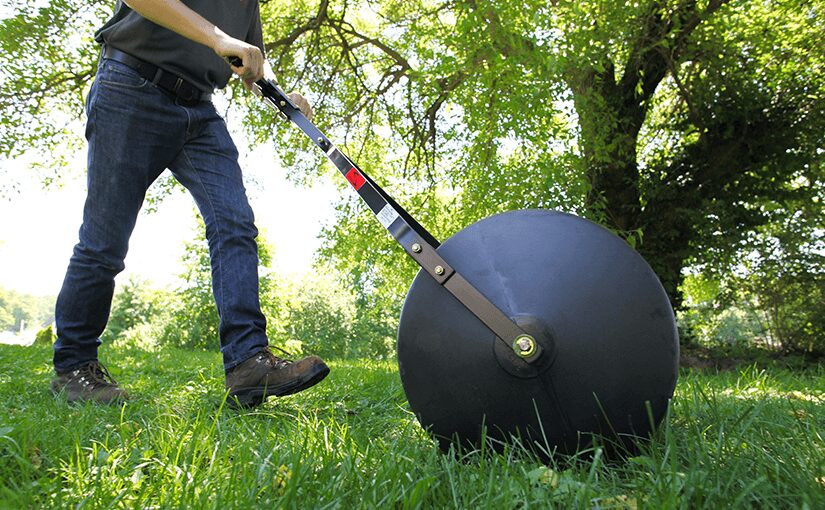
As a lawn enthusiast, you want your grass to look its best. One crucial aspect of maintaining a healthy lawn is rolling it regularly. But when and how to roll the lawn can be confusing, especially for those new to gardening. In this article, we’ll delve into the world of lawn rolling, exploring its benefits, types of rolls, and how to incorporate it into your lawn care routine.
Why Roll Your Lawn?
Rolling your lawn has numerous benefits. It:
- Promotes a deeper root system, leading to healthier grass
- Reduces soil compaction, allowing water and air to penetrate more easily
- Enhances the overall appearance of your lawn by creating a smooth, even surface
The First Roll: Springtime
In spring, the first roll is essential. As winter’s chill begins to fade, it’s crucial to gently roll out any compacted soil that may have formed over the winter months. This helps prevent damage to newly emerging grass and ensures a strong foundation for your lawn.
When should you start rolling? Generally, spring is the best time for the first roll as the weather starts warming up, promoting healthy growth in the grass. By starting to roll early on, you can help reduce stress and promote growth during the growing season.
When to Roll Your Lawn
The frequency of rolling depends on various factors, including climate, soil type, and lawn health. Here are some general guidelines:
- In temperate climates (Zone 5-7), roll the lawn once a month
- In areas with mild winters and hot summers (Zone 8-10), roll every two weeks
- In regions with harsh winters (Zone 3-4) or extreme heat, consider rolling more frequently
However, it’s essential to note that overrolling can cause damage to the lawn. Be aware of your lawn’s specific needs and adjust your rolling schedule accordingly.
Choosing the Right Roller
When selecting a roller, consider its size, material, and weight. For smaller lawns, a handheld roller will suffice, while larger areas may require a heavier-duty model.
There are several types of rollers available in the market:
- Manual Rollers: These are ideal for small lawns or those who prefer to do things the old-fashioned way.
- Electric Rollers: Perfect for bigger lawns or heavy-duty rolling, electric rollers save time and effort while still providing an even finish.
- Gas-Powered Rollers: Great for large areas or tough soil conditions, gas-powered rollers are suitable for those with more significant lawn sizes.
The Rolling Process
Rolling your lawn is straightforward:
- Fill the roller with water to achieve optimal pressure
- Roll the lawn in sections, working from one end to the other
- Repeat as necessary, adjusting pressure and frequency based on climate and soil conditions
By following these steps, you can ensure that your lawn receives the right amount of pressure without causing damage.
Tips for Effective Rolling
To get the most out of rolling, consider the following tips:
- Roll in sections to maintain even pressure and prevent missing any spots.
- Work from one end of the lawn to the other to avoid creating ruts or unevenness.
- Use a consistent amount of water to achieve the right level of pressure.
When Not to Roll Your Lawn
While rolling is generally beneficial, there are instances when it’s best to avoid it:
- In areas with heavy clay or sandy soils, rolling can cause more harm than good
- During periods of extreme weather (heavy rain or intense heat), rolling can exacerbate soil compaction and stress the lawn
If you notice any signs of soil compaction or stress, it’s best to wait until conditions improve before resuming your rolling schedule.
Dealing with Molds and Mushrooms
In some cases, you may encounter unwanted guests: molds and mushrooms. To eliminate them, try the following:
- Apply a mixture of sulfur and sand to the affected area
- Roll the lawn after applying the solution to ensure the substance reaches the roots
By addressing these issues promptly, you can prevent further damage and promote healthy growth in your lawn.
Where to Buy a Lawn Roller
You can find high-quality lawn rollers at garden centers, online marketplaces like Amazon, or hardware stores. For example, the Einhell BG-GR 57 is available on Amazon for $61.48 with free shipping.
When choosing a roller, consider factors such as durability, weight, and price to ensure you get the best value for your money.
In conclusion, rolling your lawn is an essential part of maintaining a healthy and attractive outdoor space. By understanding when and how to roll, you can enjoy a lush, green carpet that’s perfect for relaxation, recreation, or simply enjoying the great outdoors.
FAQs
- How often should I roll my lawn in cold climates?
- What type of soil is best suited for rolling?
- Can I use a lawn roller on newly seeded lawns?
- How do I prevent compacted soil from forming after rolling?
- Can I roll my lawn during extreme weather conditions?
- How often should I aerate my lawn to improve drainage and reduce compaction?
- What are some common issues with rolling a lawn, and how can they be addressed?
- Are there any alternative methods for maintaining a healthy lawn that don’t involve rolling?
By answering these frequently asked questions, you’ll have a better understanding of your lawn’s specific needs and how to best care for it.
Alternative Methods
While rolling is an effective way to maintain a healthy lawn, there are alternative methods you can try:
- Aeration: Aerating your lawn helps improve drainage, reduce compaction, and promote healthy growth.
- Mowing: Proper mowing techniques can help maintain a healthy lawn by promoting even growth and preventing overgrowth.
- Watering: Watering your lawn correctly is essential for promoting healthy growth and reducing stress.
By incorporating these alternative methods into your lawn care routine, you can create a lush, green carpet that’s perfect for relaxation or recreation.
In the end, rolling your lawn is an art that requires patience, practice, and attention to detail. By understanding when and how to roll, you can enjoy a healthy, attractive outdoor space that’s perfect for any occasion.


