
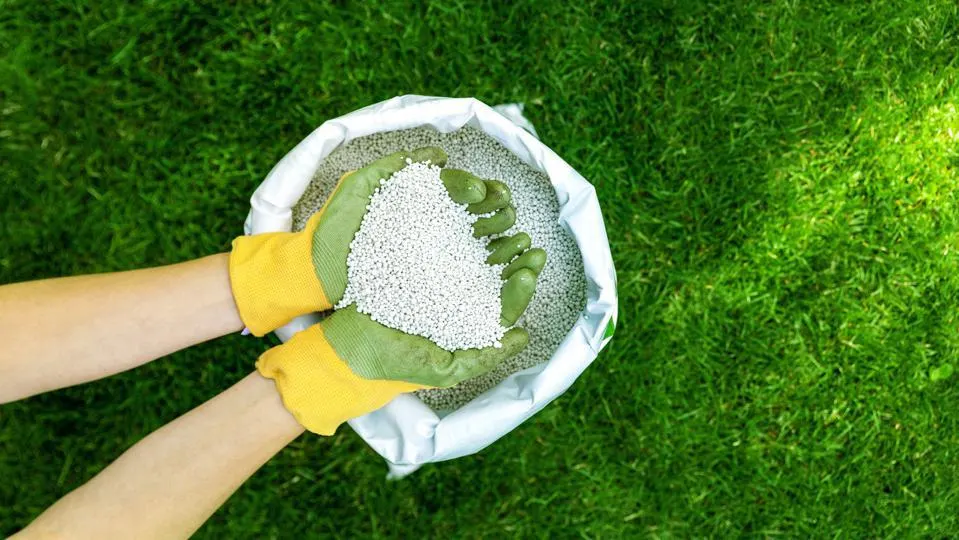
As a homeowner or gardener, maintaining a lush and healthy lawn can be a daunting task. One crucial aspect of lawn care is fertilization, which involves applying nutrients to the soil to promote plant growth. However, with so many options available, it’s easy to get confused about when and how to fertilize your lawn. In this article, we’ll explore the best practices for fertilizing your lawn, including a comprehensive calendar of fertilizations by month.
Understanding Fertilizer Types
Before we dive into the calendar, let’s talk about the different types of fertilizers available. There are three main categories: nitrogen (N), phosphorus (P), and potassium (K). Nitrogen promotes leaf growth, phosphorus supports root development, and potassium helps with overall plant health.
The most common fertilizer formulations are:
- N-P-K: a balanced fertilizer that combines all three essential nutrients
- High-N fertilizers: suitable for spring and summer applications
- High-P fertilizers: ideal for autumn and winter applications
Fertilization Calendar
Here’s a monthly guide to help you optimize your lawn care routine:
March and April: Spring Fertilization
In late March or early April, after any necessary thinning or renovation work, it’s time to fertilize your lawn. Use a fertilizer with a high nitrogen content (e.g., 18-6-12) to promote healthy growth.
Some popular options for spring fertilizers include:
- Nitrophoska Gold (specifically formulated for lawns)
- Scotts Turf Builder (balanced N-P-K fertilizer)
Application Rate: Apply 30 grams of fertilizer per square meter.
May: Spring Fertilization
In May, repeat the spring fertilization process with a slightly lower nitrogen content (e.g., 20-5-15). This will help maintain healthy growth while preventing over-fertilization.
Some popular options for spring fertilizers include:
- Scotts Turf Builder (balanced N-P-K fertilizer)
- Miracle-Gro Lawn Food (nitrogen-rich fertilizer)
Application Rate: Apply 25 grams of fertilizer per square meter.
June, July, and August: Summer Fertilization
During the summer months, it’s essential to switch to a fertilizer with lower nitrogen content (e.g., 20-5-10) to prevent excessive growth. Instead, focus on promoting root development with a balanced N-P-K fertilizer or a high-potassium fertilizer.
Some popular options for summer fertilizers include:
- Scotts Turf Builder (balanced N-P-K fertilizer)
- Espoma Organic Lawn Fertilizer (nitrogen-free, phosphorus-rich fertilizer)
Application Rate: Apply 20 grams of fertilizer per square meter.
September, October, and November: Autumn Fertilization
In autumn, switch to a high-phosphorus fertilizer (e.g., 10-20-10) to promote root development and prepare your lawn for winter. Avoid using nitrogen-rich fertilizers during this time, as they can stimulate excessive growth that may not survive the cold winter months.
Some popular options for autumn fertilizers include:
- Espoma Organic Lawn Fertilizer (nitrogen-free, phosphorus-rich fertilizer)
- Scotts Turf Builder (balanced N-P-K fertilizer)
Application Rate: Apply 20 grams of fertilizer per square meter.
December and January: Winter Fertilization
During the winter months, it’s essential to reduce or stop fertilizing altogether. This allows your lawn to rest and recharge for the upcoming growing season.
However, if you live in a region with mild winters (USDA Hardiness Zones 8-10), you can consider applying a low-nitrogen fertilizer (e.g., 5-5-10) to promote root development and prepare your lawn for spring.
Some popular options for winter fertilizers include:
- Scotts Turf Builder (low-N, slow-release fertilizer)
- Espoma Organic Winterizer (nitrogen-free, phosphorus-rich fertilizer)
Application Rate: Apply 15 grams of fertilizer per square meter.
Additional Tips
- Always follow the recommended application rates and instructions on the fertilizer packaging.
- Choose a fertilizer that suits your lawn type (e.g., perennial ryegrass, tall fescue, Kentucky bluegrass).
- Consider using organic or integrated pest management (IPM) methods to promote a balanced ecosystem in your lawn.
Frequently Asked Questions
- What’s the best time to fertilize my lawn?
- The best time to fertilize your lawn depends on your climate and lawn type, but generally, spring (March-May) and autumn (September-November) are the most effective seasons.
- How often should I fertilize my lawn?
- The frequency of fertilization depends on your lawn’s growth rate and the climate in your area. Typically, lawns need to be fertilized 2-3 times per year.
- Can I use the same fertilizer for all seasons?
- It’s best to use a different fertilizer for each season based on your lawn’s specific needs (e.g., spring for growth promotion, autumn for root development).
- What are some common fertilizers for lawns?
- Some popular options include Scotts Turf Builder, Miracle-Gro Lawn Food, and Espoma Organic Lawn Fertilizer.
- Can I use natural or organic fertilizers on my lawn?
- Yes, there are many organic and natural fertilizer options available, such as compost, manure tea, and fish emulsion.
Organic Fertilizer Options
If you’re looking for a more sustainable approach to lawn care, consider using organic fertilizers. Here are some popular options:
- Compost: Rich in nutrients, compost is an excellent way to promote healthy growth and soil structure.
- Manure Tea: A liquid solution made from animal manure, manure tea provides essential micronutrients for plant growth.
- Fish Emulsion: Derived from fish waste, fish emulsion is a nitrogen-rich fertilizer that promotes leaf growth.
- Blood Meal: High in nitrogen and phosphorus, blood meal is an excellent option for promoting root development.
Benefits of Organic Fertilizers
Using organic fertilizers offers several benefits, including:
- Environmental sustainability: Organic fertilizers reduce the need for synthetic chemicals and promote a more balanced ecosystem.
- Improved soil health: Organic fertilizers help to improve soil structure, increase water retention, and support beneficial microorganisms.
- Increased crop yields: By providing essential nutrients, organic fertilizers can lead to improved plant growth and increased crop yields.
Conclusion
Optimizing your lawn care routine requires a comprehensive approach to fertilization. By following this guide, you’ll be well on your way to creating a lush, healthy lawn that thrives all year round. Remember to choose the right fertilizer for each season, follow recommended application rates, and consider using organic or integrated pest management methods to promote a balanced ecosystem in your lawn. Happy lawn care!


