
As the seasons change, it’s essential to prioritize winter lawn care to ensure your grass remains healthy and vibrant throughout the colder months. Neglecting your lawn during this period can lead to a range of problems, including poor growth, disease, and pest infestations.
Why Is Winter Lawn Care So Important?
Winter is a critical time for lawns, as it’s essential to provide them with the right conditions to survive and thrive. The cold weather can cause grass to become dormant, making it vulnerable to damage from snow, ice, and extreme temperatures. If you don’t take care of your lawn during this period, it may struggle to recover when spring arrives.
Understanding the Effects of Winter on Lawns
Winter can have a significant impact on lawns, leading to:
- Reduced Water Availability: Water is scarce in winter, making it essential to conserve as much water as possible.
- Increased Risk of Disease and Pests: Cold temperatures and moisture can create an ideal environment for disease and pests to thrive.
- Soil Compaction: Heavy snow and ice can compact the soil, making it difficult for roots to grow and for air and water to reach the grass.
- Reduced Growth: Grass growth slows down significantly in winter, making it essential to provide nutrients and care to promote healthy growth.
Caring for Your Lawn in Autumn
Autumn is the perfect time to prepare your lawn for winter by aerating and scarifying. Aerating involves removing felt and moss from the soil using a specialized tool or machine, while scarifying helps to loosen compacted soil and improve drainage. By doing so, you’ll create an environment that allows grass to grow more easily in the spring.
Top Dressing: A Crucial Step in Autumn Lawn Care
Top dressing is another essential step in autumn lawn care. This involves applying a mixture of sand and peat moss to the soil, which helps to improve drainage and prevent soil compaction. Top dressing also provides a layer of protection against extreme weather conditions.
- Benefits: Improves drainage, prevents soil compaction, and provides a layer of protection against extreme weather conditions.
- How to Apply: Apply top dressing evenly, avoiding any areas where the grass is thin or damaged.
- Best Time: Apply top dressing in late autumn, around October or November.
Concimazione: Feeding Your Lawn for Winter
Feeding your lawn with the right concime (fertilizer) is vital during autumn. Look for products that contain slow-release nutrients like phosphorus and potassium, which promote root growth and overall health. Consider using a product that contains moss-killing agents to prevent the spread of moss and other pests.
- Benefits: Promotes root growth, overall health, and prevents the spread of moss and other pests.
- How to Apply: Follow the instructions on the fertilizer package for application rates and timing.
- Best Time: Apply concime in late autumn, around October or November.
Re-seeding: Repairing Damaged Areas
Autumn is also an excellent time to repair damaged areas of your lawn by re-seeding with new grass. This helps to restore the appearance of your lawn and provides a strong foundation for growth in the spring.
- Benefits: Restores the appearance of your lawn, provides a strong foundation for growth in the spring.
- How to Re-Seed: Follow the instructions on the seed package for application rates and timing.
- Best Time: Re-seed damaged areas in late autumn, around October or November.
De-leafing: A Final Step Before Winter
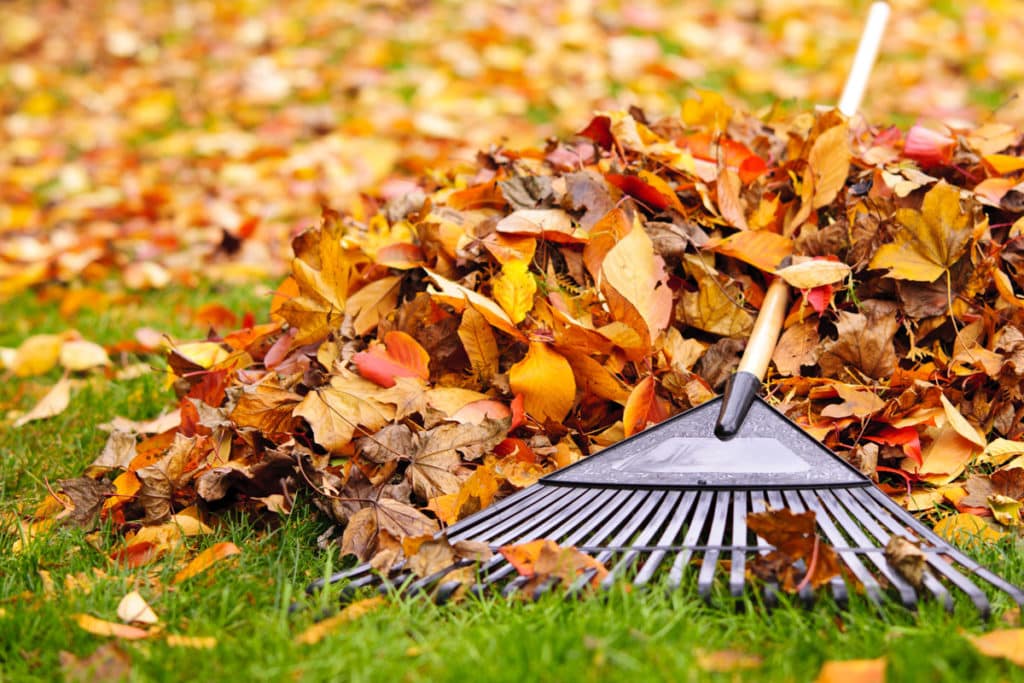
Finally, it’s essential to remove all fallen leaves from your lawn before winter sets in. Leaves can rot if left on the ground, causing damage to your grass and creating an environment conducive to disease and pests.
- Benefits: Prevents rot, damage to grass, and creates an environment conducive to disease and pests.
- How to De-leaf: Remove all fallen leaves from the lawn using a rake or leaf blower.
- Best Time: De-leaf your lawn in late autumn, around October or November.
Caring for Your Lawn in Winter
While it may seem like there’s less to do during winter, it’s still crucial to provide some basic care for your lawn. Avoid walking or driving over the grass when it’s wet, as this can cause damage from compaction and erosion. If you need to access areas of your lawn that are hard to reach, consider using wooden boards or planks to create a safe path.
Tips for Winter Lawn Care
- Use Snow Mowers: Use snow mowers to maintain the height of your grass, preventing weeds from growing.
- Apply De-icing Products: Apply de-icing products such as salt or sand to prevent slipping and falling on icy surfaces.
- Check for Pests: Check for pests such as rodents, rabbits, and squirrels that can cause damage to your lawn.
Conclusion
Winter lawn care is often overlooked, but it’s an essential step in maintaining a healthy and thriving lawn. By aerating and scarifying your lawn in autumn, top dressing, concimazione, re-seeding damaged areas, de-leafing, and providing basic winter care, you’ll be well on your way to creating a beautiful and resilient lawn that will reward you with vibrant growth come spring.
Frequently Asked Questions
- Q: How often should I aerate my lawn in autumn?
A: It’s recommended to aerate your lawn once a month during the autumn season, starting in September or October. - Q: What are the benefits of top dressing my lawn in autumn?
A: Top dressing helps improve drainage, prevents soil compaction, and provides a layer of protection against extreme weather conditions. - Q: Which types of concime should I use for my lawn?
A: Look for products that contain slow-release nutrients like phosphorus and potassium, which promote root growth and overall health. - Q: How often should I re-seed damaged areas of my lawn in autumn?
A: It’s recommended to re-seed all damaged areas once a month during the autumn season, starting in September or October. - Q: Why is de-leafing essential for winter lawn care?
A: Removing fallen leaves from your lawn helps prevent rot and damage to your grass, creating an environment conducive to disease and pests. - Q: Can I still water my lawn during the winter months?
A: Yes, but only if necessary. Avoid overwatering, as this can lead to erosion and other problems. - Q: How often should I aerate my lawn in winter?
A: It’s not recommended to aerate your lawn during the winter months, as this can cause damage to the grass and create an entry point for pests and diseases. - Q: What are some common winter lawn care mistakes to avoid?
A: Common mistakes include overwatering, underaerating, and neglecting to remove fallen leaves from the lawn.


