
Introduction
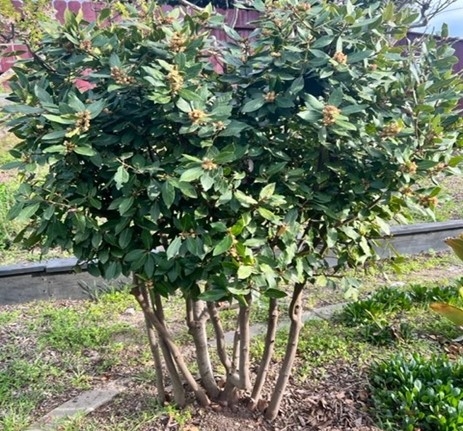
The Laurus nobilis, commonly known as the bay laurel, is a widely distributed plant in temperate climates, both on hillsides and plains. Although it can grow wild in the Mediterranean region, it’s also cultivated and used as an ornamental and aromatic plant in gardens and parks. The Bay laurel has been a popular choice for centuries due to its unique fragrance and versatility in various applications.
Characteristics of the Laurus Nobilis
The Laurus nobilis belongs to the genus Laurus and the Lauraceae family, which originated from Asia Minor several centuries ago. The name “nobilis” literally means “noble,” but this plant is actually quite simple and common. It’s a perennial, evergreen shrub or small tree with a dignified appearance. Its height can reach over 10 meters in some cases.
Physical Characteristics
The Laurus nobilis has a smooth, black-barked trunk from which slender branches grow, supporting the leaves. The leaves are coriaceous and dark green, with an undulated border, shining above and matte below, with many tiny resin glands on their surface, responsible for its characteristic aroma. The flowers are small and clustered, appearing in early spring.
Feminine Characteristics
As a dioecious plant, the Laurus nobilis produces only male or female flowers, resulting in fruit that’s nothing more than a blue-black berry containing a single seed, but is highly aromatic. This plant has numerous essential oils in its leaves and berries, including geraniol, cineole, eugenol, terpineol, fellandrene, eucalyptol, pinene, etc.
Cultivation of the Laurus Nobilis
The Laurus nobilis can be easily adapted to a variety of environments. It thrives in sunlight and partial shade, both indoors and outdoors, and even in apartments with proper care. When caring for this plant, it’s essential to keep temperatures above zero, avoid strong air currents, and don’t overwater or underwater the soil.
Temperature Sensitivity
In general, the ideal temperature range is between 10°C and 30°C, as long as there are no periods of frost. Watering should be moderate, with minimal watering in spring and summer to prevent waterlogging. During autumn and winter, irrigation can be stopped until temperatures rise above 7°C.
Pruning and Maintenance
When the Laurus nobilis is grown in a container, it requires periodic repotting every two years due to its rapid growth rate. This process should be done during spring using fresh, fertile soil that doesn’t promote water stagnation. From spring to summer, fertilizing with a liquid product twice a week can help enhance its green parts and aromatic properties.
Species of the Laurus Genus
The most widely used species as an aromatic plant is the Laurus nobilis itself. Other species include ‘Angustifolia’ (narrow-leaved) and ‘Aurea’ (golden), which both have interesting fragrance properties.
Properties of the Laurus Nobilis in Cuisine
In many cuisines worldwide, particularly in Italy, the bay laurel is used for its distinctive aroma. It’s often a main ingredient in various dishes, including liquors like laurino produced in Emilia Romagna. Bay laurel leaves are also used to flavor roasted meats, soups, and stews.
Harvesting and Storage of the Laurus Nobilis
The leaves can be harvested at any time of the year but are best picked during July and August when their aromatic properties are most concentrated. Berries are typically harvested in autumn as they ripen. If fresh leaves aren’t used immediately, they should be dried under shade to preserve them for later use.
Other Lauraceae Family Plants
Besides the Laurus nobilis, other plants within this family have notable aromatic properties and uses. For instance, Cinnamomum cassia produces cinnamon, while Cinnamomum zeylanicum yields queen cinnamon. Other notable species include Persea gratissima (with pistachio-like fruits) and Sassafras officinale (used extensively in perfumery for its aromatic wood).
Medicinal Properties of the Laurus Nobilis
In traditional medicine, the bay laurel has been used for centuries to treat various ailments. It’s known to have anti-inflammatory and antiseptic properties, making it a popular ingredient in skincare products. The essential oils extracted from the plant can also be used as a natural remedy for respiratory issues.
Cultivation Challenges
One of the main challenges when growing Laurus nobilis is controlling its spread. This evergreen shrub or small tree can grow quite large, requiring regular pruning to maintain its shape and size. Additionally, it’s essential to provide enough sunlight and water for optimal growth.
Tips for Growing Bay Laurel Indoors
- Lighting: Provide bright, indirect light to the plant.
- Watering: Water moderately, making sure not to overwater or underwater the soil.
- Temperature: Keep temperatures above zero and avoid extreme temperature fluctuations.
- Humidity: Maintain a moderate humidity level around the plant.
Growing Bay Laurel in Containers
- Choose the Right Container: Select a container that’s at least twice as large as the root system of the plant.
- Soil Quality: Use well-draining soil to prevent waterlogging and root rot.
- Fertilize Regularly: Fertilize with a liquid product twice a week during spring and summer.
- Repotting: Repot the plant every two years in the spring using fresh, fertile soil.
Harvesting and Drying Bay Laurel
- Timing: Harvest leaves at any time of the year but best pick them in July and August for optimal aroma.
- Drying: Dry the leaves under shade to preserve them for later use.
- Storage: Store dried leaves in an airtight container to maintain their potency.
Conclusion
In conclusion, the Laurus nobilis is a versatile plant with numerous uses and benefits, making it a valuable addition to any garden or culinary tradition. With its unique fragrance and adaptability, bay laurel has become a popular choice for centuries, transcending time and cultures.


