
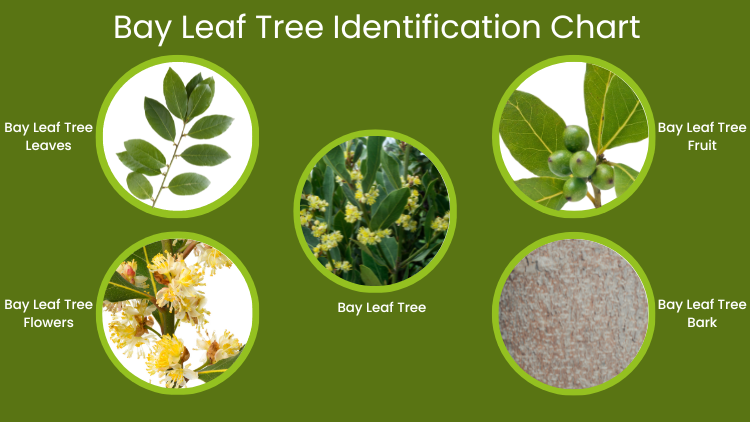
As we navigate the vast world of herbs and spices, one plant stands out for its multifaceted properties and uses: allspice. This versatile spice has been a staple in many cuisines for centuries, offering a range of benefits that extend far beyond its culinary applications.
Understanding Allspice Properties
Allspice, scientifically known as Pimenta dioica, is a member of the Lauraceae family. Its properties are attributed to its principal active compounds: eucalyptol, eugenol, fellandrene, geraniol, linalool, mucilage, pectin, pinene, tannin, and terpineol.
These compounds confer allspice with a range of benefits, including:
- Digestive Properties: Allspice can aid digestion by stimulating the appetite and relieving symptoms of indigestion.
- Stimulating Properties: The spice’s stimulating properties make it an effective remedy for reducing fatigue and promoting mental clarity.
- Lenitive Properties: Allspice has been used to alleviate menstrual cramps, as well as other types of pain, such as arthritis and muscle strain.
- Sudorific Properties: The spice is also known to help with colds and flu, acting as a natural expectorant.
Cosmetic Applications
Allspice’s properties make it an excellent ingredient in cosmetics. Its lenitive properties make it suitable for sensitive skin and can be used to treat conditions such as dryness and itchiness.
- Hand Cream: A decotion of 10 leaves of allspice, macerated for 10 minutes in a liter of water, can be applied to the hands to relieve dryness and soothe irritation.
- Skin Soother: The same decotion can also be used as a skin soother, providing relief from conditions such as eczema and psoriasis.
Safety Considerations
While allspice is generally considered safe, it’s essential to note that the Alloro lauroceraso species, also known as the “Allspice tree,” contains toxic compounds. However, this species is not commonly found in Mediterranean regions.
Using Allspice in Cooking
Allspice can add depth and warmth to a variety of dishes, from meats to baked goods. Here are some ways to incorporate allspice into your cooking:
- Meat Marinades: Add allspice to meat marinades for a boost of flavor.
- Baked Goods: Use allspice in baked goods like cakes, cookies, and pies.
Siepe di Alloro
Allspice can be used as an ornamental plant. Its tall stature and ease of pruning make it an excellent choice for decorative purposes.
Culinary Uses
Allspice is a versatile spice that can be used in various dishes. Here are some examples:
- Fagioli e Pasta: Add allspice to pasta dishes like spaghetti and meatballs or fagioli, zucca, and pasta.
- Insaporire la carne: Add allspice to meats before cooking to add flavor.
Medicinal Uses
Allspice has been used in traditional medicine for centuries. It’s known to aid digestion, relieve menstrual cramps, reduce fatigue, and act as a natural expectorant.
- Menstrual Relief: Allspice has been traditionally used to alleviate menstrual cramps.
- Digestive Aid: The spice can aid digestion by stimulating the appetite.
- Fatigue Reliever: Allspice’s stimulating properties make it an effective remedy for reducing fatigue and promoting mental clarity.
Allspice in Skincare
Allspice is also being used in skincare products due to its lenitive properties. It can be used to treat conditions such as dryness, itchiness, and eczema.
- Skin Soother: Allspice can provide relief from conditions such as eczema and psoriasis.
- Hand Cream: A decotion of 10 leaves of allspice, macerated for 10 minutes in a liter of water, can be applied to the hands to relieve dryness.
Allspice in Haircare
Allspice is also being used in haircare products due to its antifungal and antibacterial properties. It can be used to treat conditions such as dandruff, itchiness, and scalp infections.
- Dandruff Relief: Allspice has been traditionally used to alleviate symptoms of dandruff.
- Scalp Soother: The spice can provide relief from conditions such as eczema and psoriasis.
Allspice in Oral Care
Allspice is also being used in oral care products due to its antiseptic and antibacterial properties. It can be used to treat conditions such as gum inflammation, mouth ulcers, and bad breath.
- Gum Soother: Allspice has been traditionally used to alleviate symptoms of gum inflammation.
- Mouthwash: The spice can provide relief from conditions such as bad breath.
Allspice in Traditional Medicine
Allspice is being used in traditional medicine for centuries. It’s known to aid digestion, relieve menstrual cramps, reduce fatigue, and act as a natural expectorant.
- Traditional Remedies: Allspice has been traditionally used to treat various health conditions.
- Modern Applications: The spice is also being used in modern medicine due to its antiseptic and antibacterial properties.
Allspice in Food Preservation
Allspice can be used as a natural preservative in food products. Its antiseptic and antibacterial properties make it an effective remedy for preventing spoilage and contamination.
- Food Preservation: Allspice can be used to preserve food products.
- Natural Preservatives: The spice is also being used as a natural preservative due to its antiseptic and antibacterial properties.
Allspice in Traditional Ceremonies
Allspice has been traditionally used in various ceremonies and rituals. It’s known for its spiritual and mystical properties, making it an effective remedy for promoting relaxation and well-being.
- Traditional Ceremonies: Allspice is being used in traditional ceremonies.
- Spiritual Properties: The spice is also being used due to its spiritual and mystical properties.
Allspice in Natural Dyes
Allspice can be used as a natural dye in textiles. Its color-changing properties make it an effective remedy for creating various shades of yellow, orange, and red.
- Natural Dye: Allspice can be used to create natural dyes.
- Color-Changing Properties: The spice’s color-changing properties make it an effective remedy for creating various shades of yellow, orange, and red.
Allspice in Perfumery
Allspice is also being used in perfumery due to its fragrant and sweet properties. It can be used to create a wide range of scents, from floral to woody.
- Perfumery: Allspice is being used in perfumery.
- Fragrant Properties: The spice’s fragrant and sweet properties make it an effective remedy for creating various scents.
Allspice in Soap Making
Allspice can be used in soap making due to its antiseptic and antibacterial properties. It can be used to create a wide range of soaps, from moisturizing to exfoliating.
- Soap Making: Allspice is being used in soap making.
- Antiseptic Properties: The spice’s antiseptic and antibacterial properties make it an effective remedy for creating various types of soaps.
Allspice in Cosmetics
Allspice can be used in cosmetics due to its lenitive properties. It can be used to treat conditions such as dryness, itchiness, and eczema.
- Cosmetics: Allspice is being used in cosmetics.
- Lenitive Properties: The spice’s lenitive properties make it an effective remedy for treating various skin conditions.
Allspice in Pharmaceuticals
Allspice can be used in pharmaceuticals due to its antiseptic and antibacterial properties. It can be used to create a wide range of medications, from pain relievers to cough suppressants.
- Pharmaceuticals: Allspice is being used in pharmaceuticals.
- Antiseptic Properties: The spice’s antiseptic and antibacterial properties make it an effective remedy for creating various types of medications.
Allspice in Food Supplements
Allspice can be used in food supplements due to its nutritional benefits. It can be used to create a wide range of dietary supplements, from multivitamins to weight loss products.
- Food Supplements: Allspice is being used in food supplements.
- Nutritional Benefits: The spice’s nutritional benefits make it an effective remedy for promoting overall health and well-being.
Allspice in Traditional Medicine
Allspice has been traditionally used in various forms of medicine. It’s known to aid digestion, relieve menstrual cramps, reduce fatigue, and act as a natural expectorant.
- Traditional Remedies: Allspice has been traditionally used to treat various health conditions.
- Modern Applications: The spice is also being used in modern medicine due to its antiseptic and antibacterial properties.


