
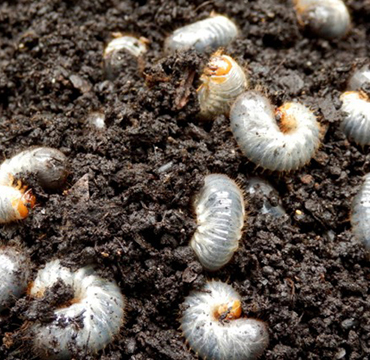
As a gardener, you take pride in your lush greenery and bountiful harvests. However, there are some unwanted visitors that can wreak havoc on your garden. Damaging larvae can be a significant problem, causing leaves to lose color, fruits to dry out, and plants to die prematurely. In this article, we will explore the common damaging larvae for your garden, their habits, and how to manage them.
What Are Damaging Larvae?
Damaging larvae are the immature stages of insects that feed on plant roots and leaves. They can be mistaken for worms, but not all ground worms are actually worms! Some insects, harmless as adults, can damage gardens at certain stages of their life cycle.
Identifying Damaging Larvae
If you notice any of the following symptoms in your garden, it’s likely that there are unwanted guests:
- Leaves losing color
- Fruits drying out without developing
- Premature plant death
- Damaged or wilted vegetables and leaves with holes
These indicators suggest that damaging larvae are present in the soil, feeding on roots.
Common Damaging Larvae for Your Garden
Here are some of the most common damaging larvae found in gardens:
Nottua Larvae
Also called worms, Nottue larvae are actually the larval stages of nocturnal butterflies. These gray, black, or dark green (dark) worms, 4-5 cm long, develop between March and April and June to July.
What Do Nottua Larvae Feed On?
Nottua larvae feed on:
- Spinach
- Lettuce
- Beet greens
- Carrots
- Onions
- Potatoes
- Tomatoes
Maggiolino Larvae
The Maggiolino is a well-known beetle (Melolontha melolontha). The adults, like the larvae, are damaging to gardens.
What Do Maggiolino Larvae Feed On?
Nottua larvae feed on:
- Tubers
- Bulbs
- Various vegetables such as:
- Beetroot
- Potatoes
- Tomatoes
- Chicory
- Lettuce
Elateride Larvae
Adult Elaterides are harmless to gardens, but the larvae can be very hungry. These yellow, orange, or golden-colored worms develop between April and May.
What Do Elateride Larvae Feed On?
Elateride larvae feed on:
- Roots
- Tubers
- Necks of all possible vegetables, including:
- Potatoes
- Carrots
- Celery
- Garlic
- Onions
- Melon
Tipula Larvae
Adult Tipulas are known for their long, narrow wings and long, thin legs. They are commonly called “prairie flies” or “giant flies”.
What Do Tipula Larvae Feed On?
Tipula larvae feed on the necks or leaves of many vegetables, especially basal leaves.
Other Damaging Larvae
In addition to the above-mentioned pests, there are other damaging larvae that can be present in your garden. These include:
- Cutworms: These larvae feed on plant stems and can cause significant damage.
- Sooty Mold Fungus: This fungus can spread through soil contaminated with insect waste and cause leaves to turn yellow and drop.
Managing Damaging Larvae
To manage damaging larvae in your garden, you must first understand their habits and life cycles. Once you have identified the pests, follow these steps:
- Monitor Soil Moisture and Adjust Watering Schedules: Damaging larvae thrive in moist environments. Adjust your watering schedule to prevent soil from becoming too wet.
- Use Physical Barriers: Use row covers or other physical barriers to prevent damaging larvae from reaching plants. These can be especially effective for controlling Tipula larvae.
- Apply Insecticides: If physical barriers are not sufficient, consider using insecticides as a last resort. However, always follow the instructions carefully and use them with caution.
Organic Methods of Control
While chemical control methods may be necessary in some cases, there are also organic methods that can help manage damaging larvae. These include:
- Biological Control: Introduce natural predators or parasites to your garden to control populations.
- Companion Planting: Some plants, such as marigolds and nasturtiums, have been shown to repel damaging larvae.
Conclusion
Damaging larvae can be a significant problem for gardens. By identifying the common damaging larvae for your garden, understanding their habits, and taking steps to manage them, you can protect your prized plants and enjoy a healthy harvest.
Frequently Asked Questions (FAQs)
Q: How do I know if my garden is infested with damaging larvae?
A: Look out for signs such as leaves losing color, fruits drying out without developing, and premature plant death. Check the soil for damaged or wilted vegetables and leaves with holes.
Q: What are some common insects that can be mistaken for worms in gardens?
A: Some harmless adult insects, like butterflies and beetles, can be mistaken for larvae.
Q: How do I identify Nottua larvae?
A: They are gray, black, or dark green (dark) worms, 4-5 cm long, that develop between March and April and June to July.
Q: Can Maggiolino larvae be controlled naturally?
A: No, these larvae require professional insecticide application due to their longevity in the soil (up to 3 years).
Q: What is the best way to prevent Elateride larvae from damaging my garden?
A: Monitor soil moisture and adjust watering schedules accordingly.
Q: Can Tipula larvae be controlled using organic methods?
A: Yes, physical barriers and biological control methods can help manage these larvae.
Q: How often should I inspect my garden for signs of damaging larvae?
A: Regularly check your garden, especially after heavy rainfall or when soil is moist.
Q: Can damaging larvae be prevented by using specific types of mulch or compost?
A: No, these methods do not prevent damage from damaging larvae; they may just mask the symptoms.
Q: How long does it take for Nottua larvae to complete their life cycle?
A: The larval stage typically lasts 3-4 years before becoming an adult butterfly.
Q: Are Elateride larvae more common in warm or cool climates?
A: These larvae thrive in cooler, wetter conditions, making them more prevalent in temperate climates.
Q: Can I use neem oil to control Tipula larvae?
A: While neem oil can be used against various pests, it may not be the most effective treatment for controlling these larvae.


