
Introduction
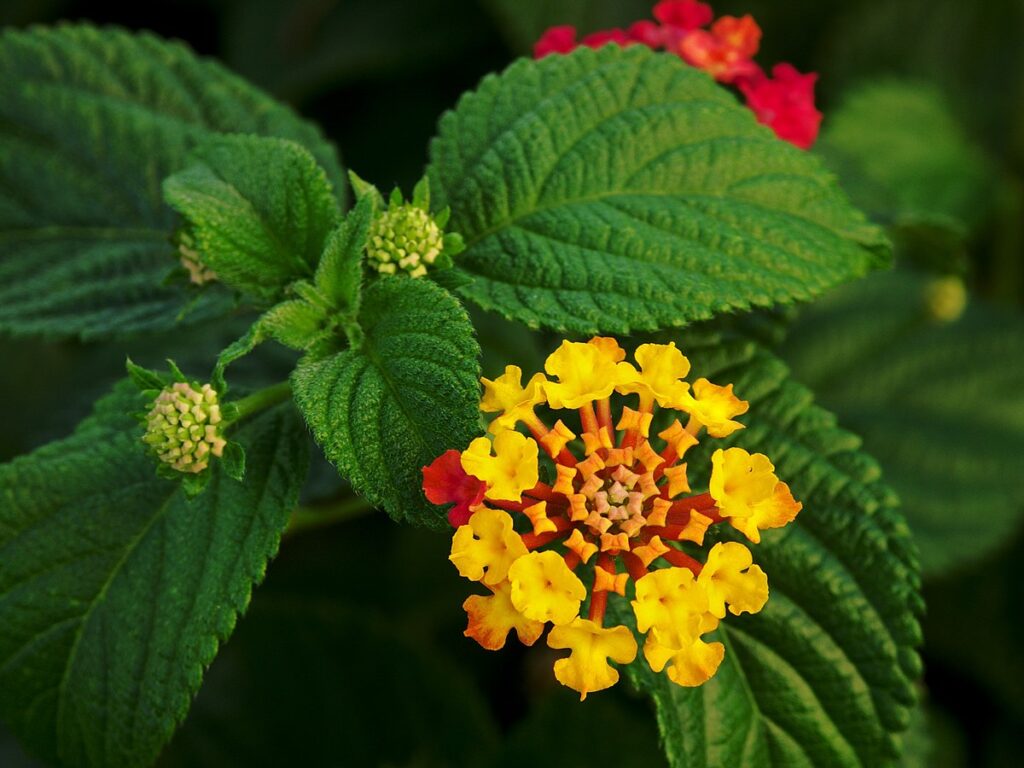
The lantana is a popular ornamental plant that not only adds color to your garden or indoor space but also provides several benefits, such as repelling insects and purifying the air. However, it can be invasive, so proper care and pruning are essential.
In recent years, lantana has gained popularity due to its attractive flowers, low maintenance requirements, and versatility in various environments. From tropical gardens to indoor spaces, this versatile plant is a favorite among gardeners, interior designers, and enthusiasts alike.
What is Lantana?
Lantana is an evergreen shrub native to the Western Indies, belonging to the Verbenaceae family, which includes verbena. It comes in two main species: Lantana montevidensis and Lantana camara. The latter is the most widely cultivated and has various hybrid varieties.
The plant’s name is derived from the Latin word “lantana,” meaning “fruitless flower.” Despite its common name, lantana does produce flowers, which are an attractive feature of the plant.
Types of Lantana
Some popular lantana varieties include:
- Lantana mutabilis: With flowers that change color from white to yellow, pink, and purple.
- Lantana cloth of gold: Featuring bright yellow flowers.
- Lantana rose queen: Showing initial yellow-salmon flowers followed by pink ones.
- Lantana spreading sunset: A prostrate variety with flowers initially yellow and then reddish-brown.
Each lantana variety has its unique characteristics, growth habits, and flower colors. By choosing the right type of lantana for your needs, you can enjoy its beauty while also achieving specific gardening goals.
Growing Lantana
When growing lantana indoors, it requires a well-draining potting mix with small rocks or pebbles at the bottom. It thrives in bright, indirect light but should avoid direct sunlight, especially during hot summer months. Temperatures below 10°C can cause damage, so it’s recommended to bring plants indoors during winter.
Outdoor Care
When grown outdoors, lantana needs full sun and well-draining soil. Regular watering is necessary from March to October, while avoiding overwatering. In cooler months (October to April), only enough water should be applied to prevent soil drying out.
Fertilization is also crucial for maintaining healthy growth. A balanced fertilizer can help promote vigorous plant development during the growing season (summer).
Watering and Fertilization
Lantana needs regular watering from March to October, but avoid overwatering. During cooler months (October to April), only enough water should be applied to prevent soil drying out. In summer, a balanced fertilizer can help promote healthy growth.
The plant is susceptible to pests like the mealybug and spider mites, as well as fungal diseases such as powdery mildew and leaf spot. Regular monitoring and prompt treatment with natural or chemical pesticides are necessary to address any issues.
Propagation
Lantana camara seeds germinate quickly and can be purchased from Amazon for home growers. This variety is known for its invasive nature, making it a popular choice for gardeners looking to control weeds.
Pruning can also be used as a propagation method. Cuttings from mature plants can root easily in water or soil, producing new plants that resemble the parent plant.
Tips and Tricks
- To prevent invasion, prune your lantana plant regularly.
- Use a balanced fertilizer during the growing season to promote healthy growth.
- Regularly inspect your plant for pests and diseases.
- Prune your plant after it finishes blooming to encourage new flower production.


