
Here’s an expanded version of your article:
The Ultimate Guide to Growing and Caring for Lantana Camara
Lantana camara, also known as lantana or pricklyash, is one of the most recognizable species in the lantana genus. This evergreen shrub is famous for its colorful, fragrant flowers and its ability to repel mosquitoes.
Why Choose Lantana Camara?
Not only is lantana camara a beautiful addition to any garden or indoor space, but it’s also an effective natural mosquito repellent. Its unique characteristics make it a popular choice among gardeners and homeowners looking for a low-maintenance solution to keep those pesky insects at bay.
History of Lantana Camara
Lantana camara is native to the tropical regions of Central and South America, as well as the Caribbean. It was first introduced to Europe in the 17th century and has since been naturalized in many parts of the world. The plant’s ability to thrive in a variety of environments has made it a popular choice for gardeners looking to create a low-maintenance landscape.
How to Identify Lantana Camara
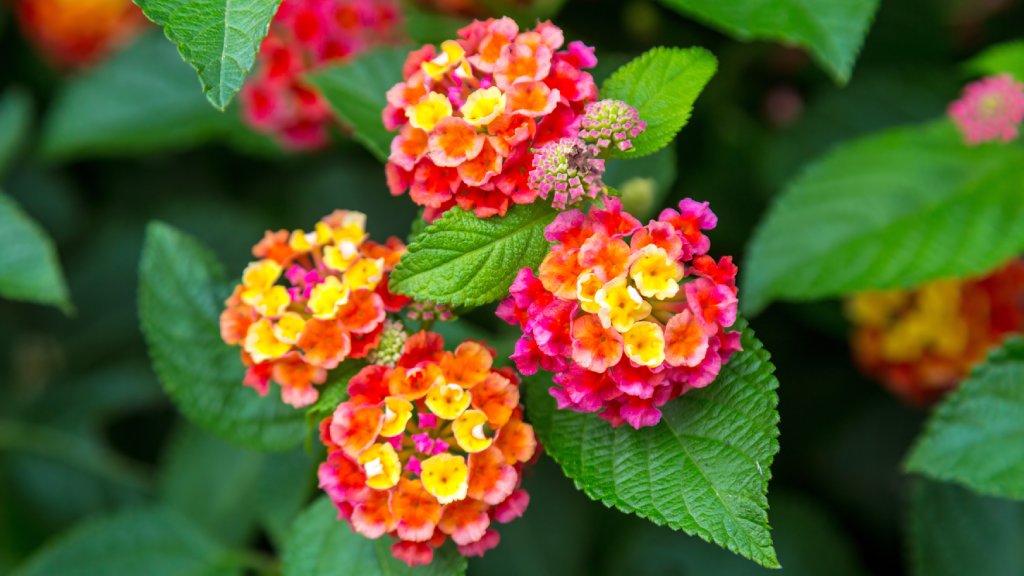
Lantana camara can be identified by its distinctive inflorescences, which are clusters of small, fragrant flowers in various colors (white, yellow, red, orange). The plant’s leaves have a strong, unpleasant odor that helps repel mosquitoes. The flowers change color as they mature, with the petals eventually turning a deeper shade of yellow, pink, or red.
Varieties of Lantana Camara
There are several varieties of lantana camara, each with its unique characteristics. Some of the most popular varieties include:
- Mutabilis: This variety is known for its flowers that change color from white to yellow and then pink.
- Cloth of Gold: This variety has bright yellow flowers that resemble gold coins.
- Rose Queen: This variety starts with yellow flowers that eventually turn a deep red shade.
- Spreading Sunset: This variety is characterized by its spreading habit and flowers that change color from yellow to orange-red.
How to Care for Lantana Camara
Caring for lantana camara is relatively easy, as it’s a low-maintenance shrub. Here are some tips to keep in mind:
- Soil: Lantana camara can thrive in a variety of soils, but it prefers well-draining compost with rocks or pebbles at the bottom.
- Light: This plant requires bright, indirect light to produce flowers, especially during hot summer months. East- or west-facing balconies and terraces are ideal locations for lantana camara.
- Temperature: Lantana camara can tolerate temperatures as low as 10°C (50°F), making it a great option for indoor spaces.
- Watering: Water your lantana camara regularly during the spring and summer months, but avoid overwatering. You can also use nebulization to provide extra moisture on hot days.
Propagation of Lantana Camara
Lantana camara can be easily propagated through stem cuttings in early March. Simply take 8-10 inch (20-25 cm) stem sections from the young shoots, remove lower leaves, and plant them in well-draining compost. You can also purchase lantana camara seeds online.
Pruning Lantana Camara
Lantana camara requires regular pruning to maintain its shape and promote healthy growth. Prune your lantana camara in late winter or early spring, removing any dead or damaged branches. Use sharp, clean pruning tools to avoid spreading disease.
Common Pests and Diseases of Lantana Camara
Lantana camara can be susceptible to a number of pests and diseases, including:
- Aphids: These small, soft-bodied insects feed on the plant’s sap and can cause curled or distorted leaves.
- Whiteflies: These tiny, winged insects feed on the plant’s sap and can cause yellowing or stunted growth.
- Scale insects: These armored insects feed on the plant’s sap and can cause yellowing or stunted growth.
- Root rot: This fungal disease causes the roots of the plant to become soft and mushy, leading to a decline in overall health.
Common Problems with Lantana Camara
Lantana camara can be susceptible to a number of common problems, including:
- Overwatering: This can cause root rot and other issues.
- Underwatering: This can cause the plant to become stressed and vulnerable to pests and diseases.
- Too much direct sunlight: This can cause the leaves to become scorched or discolored.
Tips for Growing Lantana Camara
Here are some additional tips for growing lantana camara:
- Use a well-draining potting mix: This will help prevent waterlogged soil and root rot.
- Provide bright, indirect light: This will encourage flowering and overall health.
- Water regularly but avoid overwatering: Make sure to check the soil moisture regularly and adjust your watering schedule accordingly.
Tips for Pruning Lantana Camara
Here are some additional tips for pruning lantana camara:
- Prune in late winter or early spring: This is the best time to prune, as it allows the plant to produce new growth throughout the year.
- Use sharp, clean pruning tools: Avoid spreading disease and promoting fungal growth by using sharp, clean pruning tools.
Tips for Propagating Lantana Camara
Here are some additional tips for propagating lantana camara:
- Take 8-10 inch (20-25 cm) stem sections: This is the best time to take cuttings, as it allows the plant to produce new growth.
- Remove lower leaves: This will help prevent disease and promote healthy growth.
Tips for Pest Control with Lantana Camara
Here are some additional tips for pest control with lantana camara:
- Use neem oil: This natural pesticide can be used to control a number of pests, including aphids, whiteflies, and scale insects.
- Use insecticidal soap: This gentle pesticide can be used to control a number of pests, including aphids, whiteflies, and scale insects.
Tips for Disease Control with Lantana Camara
Here are some additional tips for disease control with lantana camara:
- Use fungicides: These can be used to control fungal diseases such as root rot.
- Use bactericides: These can be used to control bacterial diseases such as leaf spot.
Conclusion
Lantana camara is a versatile, low-maintenance shrub that offers beautiful flowers, effective mosquito repellency, and versatility as a garden or indoor addition. Whether you’re a seasoned gardener or just starting out, this guide will provide you with the information needed to grow and care for lantana camara successfully.
Frequently Asked Questions
-
What is the best way to care for my lantana camara?
- Make sure your lantana camara receives bright, indirect light, especially during hot summer months.
-
How often should I water my lantana camara?
-
Water your lantana camara regularly during the spring and summer months, but avoid overwatering.
-
Can I grow lantana camara indoors?
-
Yes, lantana camara can thrive in indoor spaces with proper care, including bright, indirect light and temperatures between 10°C (50°F) and 20°C (68°F).
-
How do I propagate my lantana camara?
-
You can propagate your lantana camara through stem cuttings or purchasing seeds online.
-
Is lantana camara invasive?
-
Yes, lantana camara is considered an invasive species in some areas due to its aggressive growth habit and potential to outcompete native vegetation.
-
Can I use lantana camara as a natural mosquito repellent?
-
Yes, the flowers of the lantana camara have a strong, unpleasant odor that helps repel mosquitoes.
Additional Resources
For more information on growing and caring for lantana camara, check out our other guides:
- Lantana: Potatura, Talee e Semi
- Lantana: Pianta Ornamentale
Stay up-to-date with the latest news and trends in gardening by following us on social media!
Twitter: [insert Twitter handle]
Instagram: [insert Instagram handle]
Facebook: [insert Facebook page]


