
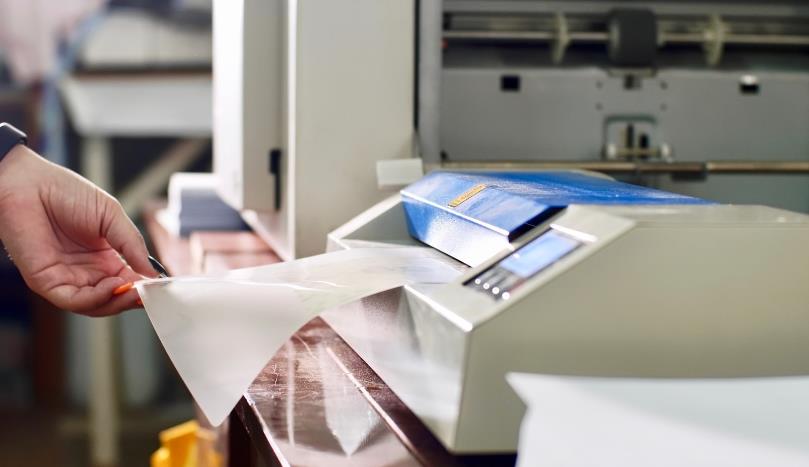
Plastic-infused paper, also known as plastic-coated or plastified paper, is a type of paper that has been coated with a layer of plastic to make it more durable and water-resistant. While this may seem like a harmless innovation, it poses significant environmental risks when not disposed of properly.
In this article, we will explore the different types of plastic-infused paper, their uses, and the potential consequences of discarding them in regular waste streams. We will also discuss ways to identify and separate these materials from other recyclables, as well as provide guidance on how to dispose of them sustainably.
What is Plastic-Infused Paper?
Plastic-infused paper is a type of coated paper that has been treated with a layer of plastic to enhance its water resistance. This coating can be applied to various types of paper products, including packaging materials, cardboard boxes, and even printing papers. The plastic coating serves as a barrier against moisture and humidity, making the paper more durable and less prone to degradation.
However, this added layer also poses environmental risks when not disposed of properly. When plastic-infused paper is sent to landfills or incinerated, it can contribute to microplastic pollution, contaminate soil and water sources, and release greenhouse gases.
The History of Plastic-Infused Paper
Plastic-infused paper has been around for several decades, but its use has gained significant traction in recent years. The first plastic-coated papers were developed in the 1960s, with the introduction of polyethylene coatings on cardboard boxes. However, it wasn’t until the 1990s that plastic-infused paper became widely used in packaging materials.
Since then, the production and use of plastic-infused paper have continued to grow, driven by consumer demand for more durable and water-resistant products. Today, plastic-infused paper is used in a wide range of applications, from packaging materials to printing papers.
Types of Plastic-Infused Paper
There are several types of plastic-infused paper, each with its own unique characteristics and uses. Some of the most common types include:
- Polyethylene-coated cardboard boxes: These are one of the most widely used types of plastic-infused paper. They are used for packaging materials such as food products, household goods, and electronics.
- Polypropylene-coated printing papers: These are used for printing applications where high water resistance is required, such as in industrial settings or outdoor advertising.
- Polyvinyl chloride (PVC) coated papers: These are used for a variety of applications, including packaging materials, construction materials, and medical devices.
Each type of plastic-infused paper has its own unique characteristics and uses, but they all pose significant environmental risks when not disposed of properly.
The Environmental Impact of Plastic-Infused Paper
Plastic-infused paper poses several environmental risks when not disposed of properly. Some of the most significant impacts include:
- Microplastic pollution: When plastic-infused paper is sent to landfills or incinerated, it can break down into microplastics that can contaminate soil and water sources.
- Greenhouse gas emissions: The production of plastic-infused paper requires energy, which can lead to greenhouse gas emissions.
- Contamination of recyclables: When plastic-infused paper is sent to landfills or incinerated, it can contaminate the entire stream of recyclables.
These environmental impacts are significant and warrant further attention. By understanding the risks associated with plastic-infused paper, we can work towards reducing waste and promoting sustainability.
Identifying Plastic-Infused Paper
To determine whether a piece of paper is plastic-infused, look for the following characteristics:
- A glossy or shiny appearance
- A texture that feels stiff or rigid
- A layer of plastic coating visible to the naked eye
If you suspect that a piece of paper contains plastic-infused material, it’s best to err on the side of caution and avoid recycling it in your regular paper recycling bin.
What Can Be Recycled from Plastic-Infused Paper?
While plastic-infused paper itself cannot be recycled, many materials used to make these products can still be recycled. Some examples include:
- Cardboard boxes
- Newspaper
- Magazines
- Junk mail
- Corrugated cardboard
These materials should be placed in a separate bin or container and taken to a recycling facility for processing.
What Cannot Be Recycled from Plastic-Infused Paper?
Unfortunately, many materials used to make plastic-infused paper cannot be recycled, including:
- Printing papers coated with plastic
- Packaging materials like bubble wrap and foam inserts
- Tissue products like toilet paper and tissues
These materials should not be placed in your regular paper recycling bin, as they can contaminate the entire stream of recyclables.
Busting Common Myths
There are several common myths surrounding plastic-infused paper that it’s worth addressing:
- Myth: All printed papers with plastic coatings are plastic-infused.
- Reality: Only certain types of printed papers contain plastic coatings, and these materials can often be recycled separately.
- Myth: Plastic-infused paper is always non-recyclable.
- Reality: Many materials used to make plastic-infused paper can still be recycled, as long as they are handled properly.
Conclusion
Plastic-infused paper poses significant environmental risks when not disposed of properly. By understanding the different types of plastic-infused paper, identifying and separating them from other recyclables, and knowing what can and cannot be recycled, we can all play a role in reducing waste and promoting sustainability.
So next time you’re about to throw away a piece of paper, take a closer look before tossing it into your recycling bin. You might just save the planet one piece of paper at a time!
Frequently Asked Questions
Q: Can I recycle plastic-infused paper?
A: Unfortunately, no. Plastic-infused paper itself cannot be recycled.
Q: What can I do with plastic-infused paper?
A: Try to separate it from other recyclables and dispose of it in a responsible manner.
Q: Is all printed paper with plastic coatings plastic-infused?
A: No, only certain types of printed papers contain plastic coatings, and these materials can often be recycled separately.
Q: Can I use regular paper recycling bins for plastic-infused materials?
A: No, this can contaminate the entire stream of recyclables.
Q: How do I identify plastic-infused paper?
A: Look for a glossy or shiny appearance, a stiff texture, and a visible layer of plastic coating.


