
In recent years, the scientific community has been fascinated by the potential benefits of lactoferrin, a glycoprotein that binds iron naturally in many mammals, including humans and cows. But what exactly is lactoferrin, and why should we care about it? In this article, we’ll delve into the world of lactoferrin, exploring its functions, health benefits, and more.
What is Lactoferrin?
Lactoferrin is a protein with a molecular weight of 80 kDa that can be found in various bodily fluids, including milk, saliva, tears, and other secretions. Its structure consists of two lobes, each containing an iron ion (Fe3+) bound to the protein’s surface. At neutral pH, the iron is tightly bound, but in acidic environments, it is released.
Forms of Lactoferrin
There are three forms of lactoferrin, distinguished by their level of iron saturation:
- Apo-lactoferrin: Without iron
- Monoferic lactoferrin: With one Fe3+ ion
- Olo-lactoferrin: With two Fe3+ ions
Why is Lactoferrin Important?
So, why have we dedicated an article to lactoferrin? It’s a simple answer: lactoferrin has numerous health benefits that make it an essential component of our bodies. In this section, we’ll explore its functions and how they impact our overall well-being.
Functions of Lactoferrin
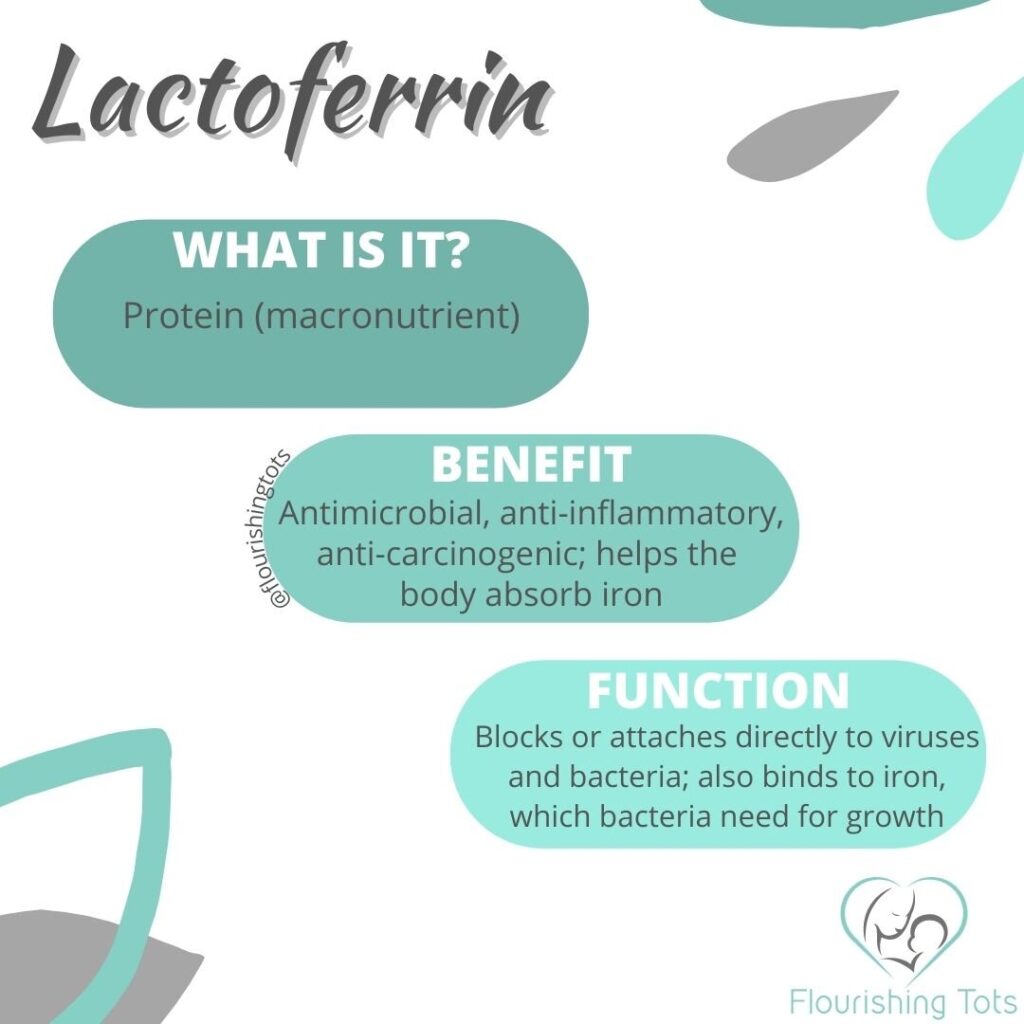
Lactoferrin’s primary function is to bind iron, but it also has several other roles:
- Antimicrobial properties: Lactoferrin has antibacterial, antiviral, and antimicrobial effects that help protect our bodies from pathogens.
- Immune system support: Lactoferrin helps regulate the immune system and prevents excessive inflammation.
- Digestive health: Lactoferrin supports a healthy gut microbiome by promoting the growth of beneficial bacteria like Bifidobacterium.
- Cognitive development: Research suggests that lactoferrin may directly support brain development and cognitive function in infants.
Lactoferrin and Bone Health
One of the most significant benefits of lactoferrin is its potential to improve bone health. As we age, our bones naturally lose density due to increased osteoclast activity and decreased osteoblast activity. Lactoferrin has been shown to:
- Reduce osteoclast activity: By inhibiting the activity of cells that break down bone tissue.
- Activate osteoblasts: Stimulating the formation of new bone tissue.
Lactoferrin and Skin Health
Lactoferrin also plays a crucial role in maintaining healthy skin. It has been found to:
- Reduce acne lesions: Lactoferrin’s antibacterial properties help reduce inflammation and prevent acne.
- Regulate inflammation: Lactoferrin helps control excessive inflammation, which can lead to various skin conditions.
Lactoferrin in Infant Nutrition
As it turns out, lactoferrin is an essential nutrient for infants. It:
- Transfers iron: Helping transfer iron from mother to child during breastfeeding.
- Supports immune system development: Lactoferrin’s antimicrobial properties help protect infants from pathogens.
Preparation and Administration of Lactoferrin
While lactoferrin is available in various forms, including oral supplements, creams, and ointments, its effectiveness can vary depending on the preparation method. For example:
- Oral supplements: May not be as effective for bone health due to poor absorption rates.
- Topical preparations: Can provide localized benefits for skin health.
Conclusion
In conclusion, lactoferrin is a remarkable protein with numerous health benefits that make it an essential component of our bodies. From supporting bone and skin health to regulating the immune system and promoting cognitive development, lactoferrin plays a vital role in maintaining overall well-being.
Potential Therapeutic Uses for Lactoferrin
While more research is needed to fully understand the potential therapeutic uses of lactoferrin, some promising areas include:
- Antibacterial treatments: Lactoferrin’s antimicrobial properties make it an attractive candidate for combating antibiotic-resistant infections.
- Inflammatory diseases: Lactoferrin’s anti-inflammatory effects may help alleviate symptoms in conditions like arthritis and asthma.
Potential Risks and Side Effects of Lactoferrin
While lactoferrin is generally considered safe, potential risks and side effects include:
- Allergic reactions: Some individuals may experience allergic reactions to lactoferrin.
- Iron overload: High doses of lactoferrin can lead to iron overload in some cases.
Frequently Asked Questions (FAQs)
1. What is lactoferrin?
Lactoferrin is a glycoprotein that binds iron naturally in many mammals, including humans and cows.
2. What are the forms of lactoferrin?
There are three forms of lactoferrin: apo-lactoferrin (without iron), monoferic lactoferrin (with one Fe3+ ion), and olo-lactoferrin (with two Fe3+ ions).
3. What are the health benefits of lactoferrin?
Lactoferrin has numerous health benefits, including antimicrobial properties, immune system support, digestive health, cognitive development, bone health, and skin health.
4. How does lactoferrin affect bone health?
Lactoferrin can reduce osteoclast activity and activate osteoblasts to promote bone growth.
5. Can lactoferrin be found in breast milk?
Yes, lactoferrin is an essential nutrient for infants and can be transferred from mother to child during breastfeeding.
By understanding the importance of lactoferrin, we can take steps to incorporate this protein into our diet and lifestyle. So, what are you waiting for? Start exploring the amazing world of lactoferrin today!


