
The Solar Industry Faces a New Challenge: Tariffs on Chinese PV Cells and Modules
The solar industry has made tremendous strides in recent years, transforming the way we generate, consume, and think about energy. From its early days as a niche market to its current status as a major player in the global economy, the solar industry has proven itself to be a beacon of innovation, sustainability, and job creation.
However, a new challenge has emerged on the horizon, threatening the very foundation of this growth. The proposed application of tariffs on imported photovoltaic (PV) cells and modules from China could have far-reaching consequences for the solar industry, impacting not only its competitiveness but also its ability to deliver clean energy to communities around the world.
A New Frontier for European Solar Manufacturers
At the heart of this issue is a group of European manufacturers who are urging governments to impose tariffs on PV cells and modules imported from China. These companies argue that such a measure would help protect their industry, preventing foreign companies from dominating the market and stifling innovation.
However, experts warn that this approach could have unintended consequences, including job losses, reduced investment in solar energy, and higher costs for consumers. The solar industry is already a significant employer, with over 280,000 people working in Europe today. If tariffs are imposed, it’s estimated that tens of thousands of jobs could be lost.
The Impact on Job Markets
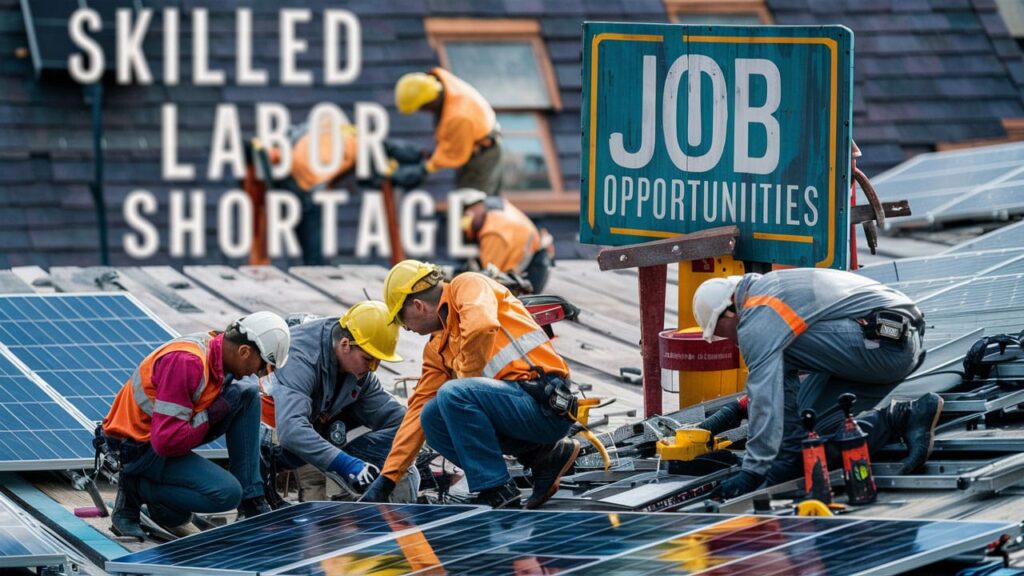
One of the most critical concerns is the impact on job markets. The solar industry has created new opportunities for skilled workers, from technicians and engineers to sales professionals and installers. However, if foreign companies are unable to compete with tariffs, it could lead to reduced investment in solar energy projects, resulting in fewer jobs being created.
Moreover, the solar industry is not just about manufacturing; it also involves installation, maintenance, and repair. If tariffs are imposed, local businesses that rely on these services could be severely impacted, leading to reduced economic activity and higher unemployment rates in affected regions.
A Threat to Local Economic Development
The growth of the solar industry in European regions is largely driven by local installers and businesses. If foreign companies are unable to compete with tariffs, it could stifle innovation and limit opportunities for local entrepreneurs. This would be particularly damaging to regions that have invested heavily in developing their solar industries.
For example, regions like Bavaria in Germany and the Camargue region in France have become major hubs for the solar industry, attracting investment and creating jobs through their innovative approaches to solar energy production. If tariffs are imposed, these regions could lose their competitive edge, leading to reduced economic growth and job losses.
Gregory Spanoudakis’ Warning
Gregory Spanoudakis, President of Canadian Solar’s EMEA Operations, has expressed concerns about the potential impact of tariffs on the industry. In an interview with Bloomberg, he warned that such a move could lead to increased costs for consumers, reduced investment in solar energy, and ultimately, fewer opportunities for local businesses.
“We’re not just talking about jobs; we’re talking about economic growth,” Spanoudakis said. “The solar industry is a key driver of innovation, and tariffs would stifle that innovation.”
Paul Wheeler’s Perspective
Paul Wheeler, Founder and Chairman of MAP Environmental, a UK-based solar technology provider, agrees with Spanoudakis’ assessment. In an interview with SolarPower Europe, he noted that tariffs on PV cells and modules would have a cascading effect on suppliers and installers who rely on these technologies to operate efficiently.
“The solar industry is built on a global supply chain,” Wheeler said. “Tariffs would disrupt that supply chain, leading to higher costs for consumers and reduced investment in solar energy.”
A Call for Sustainable Growth
The solar industry has made significant strides in recent years, offering scalable, reliable, and secure solutions for businesses, communities, and individuals. From its early days as a niche market to its current status as a major player in the global economy, the solar industry has proven itself to be a beacon of innovation, sustainability, and job creation.
However, the imposition of tariffs could undermine this progress, forcing companies to seek alternative suppliers or abandon their solar initiatives altogether. This would not only harm the solar industry but also limit our ability to address climate change, ensuring a sustainable future for generations to come.
Conclusion
As the solar industry continues to grow and mature, it’s essential that policymakers prioritize sustainable growth over protectionist measures. By fostering a competitive environment and promoting innovation, we can ensure that local businesses and entrepreneurs have access to the resources they need to thrive.
In the end, the solar industry is not just about generating electricity; it’s about creating jobs, driving economic growth, and ensuring a sustainable future for our planet. Let us work together to promote sustainable growth, rather than protectionism, and ensure that the solar industry continues to play its critical role in shaping our energy future.
Frequently Asked Questions (FAQs)
- What are the potential consequences of imposing tariffs on Chinese PV cells and modules?
Tariffs could lead to increased costs for consumers, reduced investment in solar energy, and job losses. - How will tariffs affect local economies and businesses?
Tariffs could stifle innovation and limit opportunities for local entrepreneurs, particularly in regions that have invested heavily in developing their solar industries. - What is the impact of tariffs on consumer prices?
Tariffs would likely lead to higher costs for consumers, as companies pass on the increased costs to customers. - How will suppliers and installers be affected by tariffs?
Suppliers and installers who rely on PV cells and modules could face reduced revenue or even go out of business if they cannot compete with foreign companies. - What is the role of policymakers in promoting sustainable growth?
Policymakers should prioritize sustainable growth over protectionist measures, fostering a competitive environment that promotes innovation and access to resources for local businesses and entrepreneurs. - How can we balance job creation and economic growth with environmental concerns?
By investing in renewable energy sources like solar power, we can create jobs while also reducing our reliance on fossil fuels and mitigating climate change. - What is the future of the solar industry if tariffs are imposed?
If tariffs are implemented, it’s likely that the solar industry will slow down, leading to reduced investment and job losses. - Can tariffs be lifted or modified in the future?
Yes, tariffs can be lifted or modified if policymakers decide that they are no longer necessary or if alternative solutions are found to promote sustainable growth.
Recommendations for Policymakers
To mitigate the negative impacts of tariffs on the solar industry, policymakers should consider the following recommendations:
- Conduct a thorough impact assessment: Conduct a comprehensive analysis of the potential impacts of tariffs on the solar industry, including job losses, reduced investment, and increased costs for consumers.
- Explore alternative solutions: Consider alternative solutions to tariffs, such as trade agreements or subsidies, that can promote sustainable growth and protect local businesses.
- Support research and development: Invest in research and development initiatives that can help reduce the environmental impact of solar energy production while also improving its efficiency and competitiveness.
- Promote international cooperation: Encourage international cooperation to address global challenges related to climate change, such as carbon pricing or emission standards.
By taking these steps, policymakers can promote sustainable growth while also protecting local businesses and entrepreneurs in the solar industry.


