
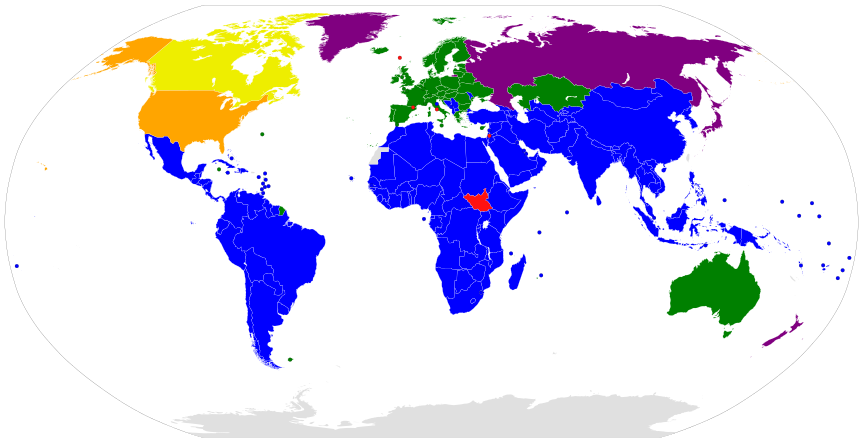
As we speak, there’s a lot being said about green economy and sustainable development. However, have you ever stopped to think about the state of Italy’s forests? Fortunately, the data isn’t alarming – in fact, over the past 20 years, there has been an increase in forested areas. So, what’s behind this growth?
The Rise of Forests in Italy
According to the National Inventory of Forests and Carbon Sinks by the Italian State Forestry Corps, a staggering 12 billion trees now cover about one-third of Italy’s territory. These forests are crucial for the country’s future, especially when it comes to meeting climate change targets.
The increase in forested areas is attributed to various factors such as reforestation efforts, sustainable land-use practices, and government policies that promote the preservation and expansion of forestland. The Italian State Forestry Corps has reported a significant rise in the number of hectares dedicated to forest management, with over 10.4 million hectares now under protection.
The Impact on Carbon Emissions
In the past two decades, forest growth has led to an increase in forested areas by approximately 1.7 million hectares, reaching over 10.4 million hectares today. The data was analyzed by a team of scientists from the Council for Agricultural Research and Testing, along with experts from the University of Trento’s Forest Monitoring and Planning Unit.
The impact of this growth on carbon emissions is substantial. By sequestering more CO2 in trees and soil, Italy can reduce its greenhouse gas emissions. However, it’s essential to note that forests are not solely responsible for absorbing CO2. According to Mario Catania, Minister of Agricultural, Food, and Forestry Policies; Corrado Clini, Minister of Environment and Territory and Sea; Cesare Patrone, Head of the Italian State Forest Corps; and Giuseppe Alonzo, President of the Council for Agricultural Research and Testing, only 38% of CO2 is accumulated in trees and foliage.
Soil as a Carbon Sink
The majority – 58% – of carbon dioxide is stored in the soil. This has significant implications for Italy’s climate goals. The remaining 4% is absorbed by dead plant material and other residual vegetation. In essence, the ground itself contains an astonishing 700 million tons of carbon.
Soil conservation is essential to maintain these vast carbon stores. By implementing sustainable land-use practices such as agroforestry and permaculture, Italy can minimize soil erosion and preserve its fertility. This will enable forests to continue playing a vital role in sequestering carbon dioxide for centuries to come.
Why Forests Matter
Forest floors play a crucial role in protecting water sources while absorbing CO2 from the atmosphere. Additionally, they provide essential habitat for biodiversity, with many species relying on these ecosystems for survival. By preserving and expanding forests, Italy can also protect its natural resources and maintain ecosystem services that benefit both local communities and the global economy.
The Importance of Forests to Kyoto’s Targets
“Forests are key natural carbon sinks – they play a vital role in achieving the Kyoto Protocol’s targets,” says the Italian State Forest Corps. The Kyoto Protocol is an international agreement aimed at reducing greenhouse gas emissions on a global scale. Italy must contribute by protecting its forested areas and cutting down emissions from industries, transportation, and energy.
Italy’s Progress towards Meeting Kyoto Targets
Since 2008, when the protocol was initiated, Italy has made significant progress in reducing carbon dioxide emissions. So far, it has saved an impressive 5.4%. The ultimate goal is to reach a reduction of 6.5%, which experts believe can be achieved with the help of Italy’s forests.
However, there are still challenges ahead for Italy in meeting its Kyoto targets. With more than half of the country’s land area dedicated to agriculture and livestock farming, these sectors are significant contributors to greenhouse gas emissions. By adopting sustainable agricultural practices, reducing synthetic fertilizer use, and implementing more efficient energy systems, Italy can continue to reduce its carbon footprint.
The Economic Benefits of Forests
Beyond their ecological importance, forests also contribute to the economy. By 2012, the value of forest carbon sinks was estimated at between €1-1.5 billion over the period 2008-2012. This is a substantial sum that could be leveraged to support sustainable forest management practices and reforestation efforts.
In addition to this financial benefit, forests also provide numerous other economic benefits such as timber production, ecotourism, and non-timber forest products. By protecting and expanding its forests, Italy can continue to generate income from these diverse sources while maintaining ecosystem services that are essential for human well-being.
Challenges Ahead
Despite the progress made in recent years, there are still challenges ahead for Italy in meeting its Kyoto targets. Rising temperatures, changing precipitation patterns, and increased drought events will all impact forest health and productivity. By investing in sustainable forest management practices, reforestation efforts, and climate-resilient infrastructure, Italy can better prepare itself to face these emerging challenges.
Frequently Asked Questions
Q: What is the current state of Italy’s forests?
A: Today, over 12 billion trees cover about one-third of Italy’s territory.
Q: How have forested areas changed in Italy since 2008?
A: Forest growth has led to an increase of approximately 1.7 million hectares in the past two decades, reaching a total of over 10.4 million hectares today.
Q: What is the role of forests in reducing carbon emissions?
A: While forests are responsible for absorbing some CO2, research shows that only 38% of this gas is stored in trees and foliage, with the majority (58%) being absorbed by the soil.
Q: How can Italy meet its Kyoto targets?
A: By protecting forested areas and cutting down emissions from industries, transportation, and energy.
Q: What is the value of Italy’s forests to the economy?
A: The estimated value of forest carbon sinks was between €1-1.5 billion over the period 2008-2012.
Q: Why are forests important for water protection and biodiversity?
A: Forests provide essential habitat for biodiversity, while also protecting water sources from pollution.
Q: How can Italy continue to grow its forests in a sustainable way?
A: By implementing policies that protect and expand forested areas, as well as promoting reforestation efforts.


