
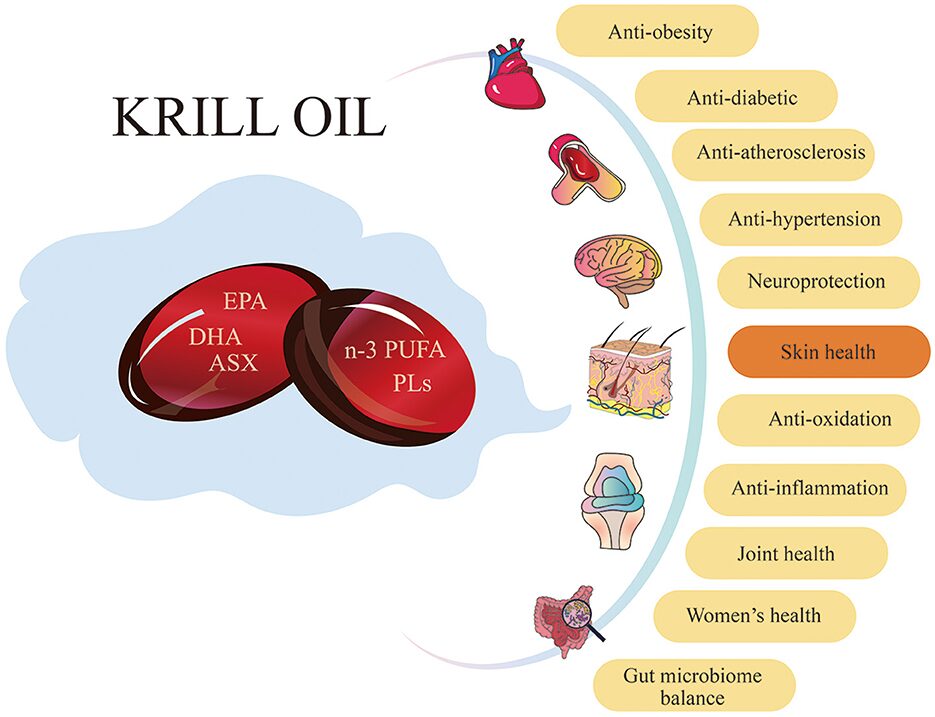
Krill oil, derived from the tiny crustacean Euphausia superba, has been gaining popularity in recent years due to its numerous health benefits. But what exactly is krill oil, and how can you harness its power while minimizing potential risks? In this article, we’ll delve into the world of krill oil, exploring its composition, benefits, and safety considerations.
What is Krill Oil?
Krill oil is rich in omega-3 fatty acids, specifically EPA (eicosapentaenoic acid) and DHA (docosahexaenoic acid), which are essential for heart health, brain function, and inflammation reduction. It also contains astaxanthin, a powerful antioxidant that helps neutralize free radicals and protect against oxidative stress.
Krill oil is typically extracted from the bodies of Euphausia superba, a small, shrimp-like crustacean found in the cold waters of Antarctica and other regions around the world. The oil is rich in omega-3s, which are considered essential fatty acids because they cannot be produced by the human body.
Key Benefits of Krill Oil
- Heart Health: Omega-3s in krill oil help lower triglycerides, reduce blood pressure, and prevent blood clots.
- Brain Function: DHA supports brain development and function, potentially improving cognitive performance and memory.
- Inflammation Reduction: Astaxanthin’s potent antioxidant properties help mitigate inflammation, which can contribute to various chronic diseases.
- Improved Joint Health: Omega-3s in krill oil may reduce joint pain and inflammation, making it a popular supplement for athletes and individuals with arthritis.
Before You Start: Understanding the Risks and Precautions
Before incorporating krill oil into your diet, consider the following:
- Allergies: If you’re allergic to fish or shellfish, avoid krill oil.
- Medical Conditions: Consult your doctor if you have diabetes, liver disease, pancreatitis, bleeding disorders, or are taking blood thinners.
- Pregnancy and Breastfeeding: While generally considered safe, consult your healthcare provider before using krill oil during pregnancy or breastfeeding.
Using Krill Oil Safely
- Follow the Label: Use krill oil exactly as directed on the label or as prescribed by your doctor.
- Don’t Overdo It: Avoid excessive intake to minimize potential side effects.
- Consult Your Doctor: If you experience any adverse reactions, discontinue use and consult your healthcare provider.
Common Side Effects and Interactions
While generally considered safe, krill oil may cause:
- Allergic Reactions: Orticaria, difficulty breathing, swelling of the face or tongue
- Digestive Issues: Nausea, diarrhea, stomach cramps
Be cautious when combining krill oil with other medications, such as:
- Blood Thinners: Warfarin, aspirin, or other anticoagulants may increase the risk of bleeding
- Estrogen Replacement Therapy: Hormonal therapies may interact with krill oil and affect blood clotting
Benefits for Specific Health Conditions
Krill oil has been shown to be beneficial in treating various health conditions, including:
- Arthritis: Omega-3s in krill oil may reduce joint pain and inflammation.
- Depression: The omega-3 fatty acids in krill oil may help alleviate symptoms of depression.
- Attention Deficit Hyperactivity Disorder (ADHD): DHA supports brain development, which may improve cognitive function and behavior.
- Alzheimer’s Disease: Omega-3s in krill oil may reduce inflammation and promote brain health.
Choosing the Right Krill Oil Supplement
When selecting a krill oil supplement, consider the following factors:
- Source: Look for supplements from reputable manufacturers that source their krill oil from sustainable and environmentally responsible suppliers.
- Purity: Choose products with high levels of EPA and DHA (at least 50%).
- Third-Party Testing: Opt for products that have been tested by third-party organizations, such as NSF International or ConsumerLab.com.
Frequently Asked Questions
- Q: What is the recommended dosage of krill oil?
A: Follow the label or consult with your healthcare provider for personalized recommendations. - Q: Can I take krill oil if I’m allergic to fish or shellfish?
A: No, avoid krill oil if you have a known allergy. - Q: How does krill oil interact with other medications?
A: Consult your doctor before taking krill oil, especially if you’re on blood thinners, estrogen replacement therapy, or other medications. - Q: Can I take krill oil during pregnancy or breastfeeding?
A: Generally considered safe, but consult your healthcare provider for personalized advice. - Q: What are the common side effects of krill oil?
A: Nausea, diarrhea, stomach cramps, allergic reactions (rare). - Q: Can I take krill oil with other supplements?
A: Consult your doctor before combining krill oil with other medications or supplements. - Q: How long does it take to see the benefits of krill oil?
A: Benefits may be noticeable within a few weeks to months, depending on individual factors. - Q: Is krill oil suitable for athletes?
A: May help reduce joint pain and inflammation, making it a popular supplement among athletes.
Conclusion
Krill oil is a powerful supplement that offers numerous health benefits when used safely and responsibly. By understanding its composition, potential risks, and interactions, you can harness the power of krill oil to improve your heart health, brain function, and overall well-being. Always consult with your healthcare provider before adding any new supplements to your diet, and choose products from reputable manufacturers that meet high standards for purity and quality.


