
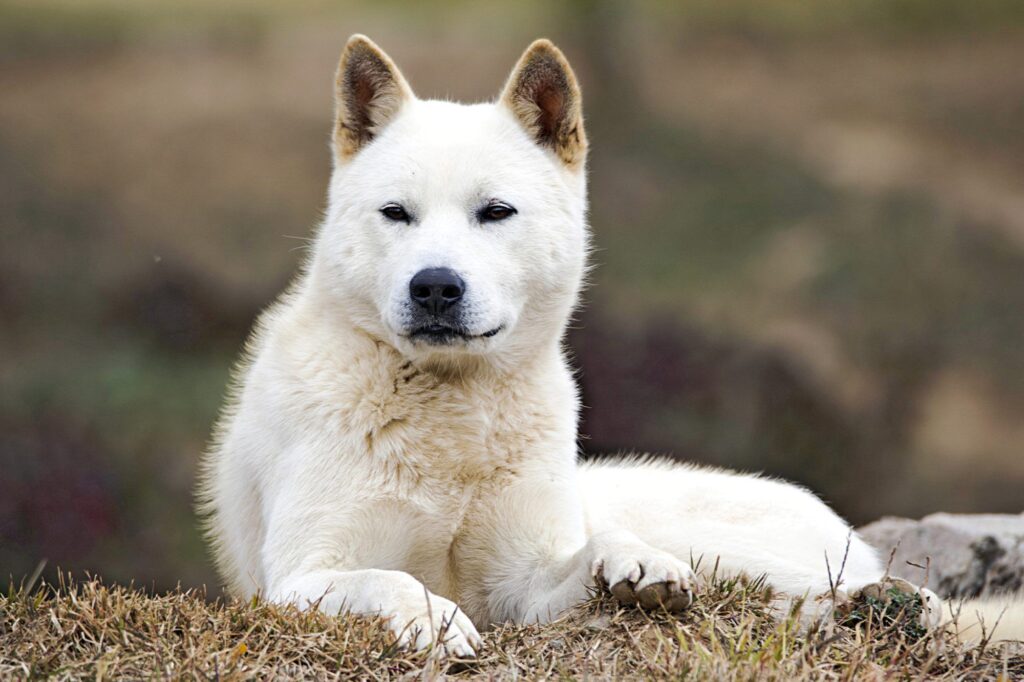
The Korea Jindo Dog is an Asian hunting breed renowned for its extraordinary loyalty towards its owner. This majestic dog boasts a distinctive appearance and a strong character, making it a popular choice among canine enthusiasts.
Origins of the Korea Jindo Dog
Despite the lack of written records on its history, it is believed that the Korea Jindo Dog originated from the island of Jindo in Southwestern Korea. The isolated location of this dog allowed it to preserve its unique physical and behavioral characteristics over centuries.
The Korean government officially recognized the breed as a National Treasure in 1962, leading to the establishment of laws for its protection and preservation. It wasn’t until 2005 that the Fédération Cynologique Internationale (FCI) granted official recognition to this remarkable dog.
Physical Characteristics
The Korea Jindo Dog is classified under the Spitz and Primitive breed group by the Encyclopédie Cynologique International (ECI). It belongs to the same category as other breeds like the Akita Inu, American Akita, Hokkaido, Chow-Chow, Shiba, Eurasier, Thai Bangkaew, and Japanese Spitz.
One of its most distinctive features is its mantle. The Korea Jindo Dog has a medium-length coat with a soft undercoat that sheds seasonally. Its dense fur provides excellent insulation in cold climates, making it an ideal breed for hunting purposes.
Height and Weight
According to the standard, males should weigh between 18-23 kg (40-50 lbs), while females should weigh between 15-19 kg (33-42 lbs). However, individual dogs may vary depending on their size and health status.
The Korea Jindo Dog’s build is sturdy, with a broad chest and strong legs. Its tail is usually carried in a straight line when relaxed, although it can be held low when excited or threatened.
Characteristics of the Korea Jindo Dog
This breed is known for its extraordinary loyalty towards its owner. It often enters a state of depression when separated from its master, making it an excellent companion dog. This loyalty is deeply rooted in the dog’s history and cultural significance in Korean society.
The Korea Jindo Dog has an imperturbable temperament, combining courage with obedience. They are naturally protective of their family but can be friendly towards strangers if socialized properly. Their high energy level requires regular exercise to prevent destructive behavior.
Health
The Korea Jindo Dog is generally robust and resistant to genetic disorders. However, some individuals may develop hypothyroidism, a condition that causes dry skin, thinning coat, and weight gain. This issue is easily treatable with medication.
Other potential health concerns for the breed include hip dysplasia, patellar luxation, and progressive retinal atrophy. Regular veterinary check-ups and genetic testing can help identify these issues early on.
Life Expectancy
The average lifespan of the Korea Jindo Dog is 14 years, making it an exceptionally long-lived breed for its size.
Care and Nutrition
To ensure proper care, provide your dog with a balanced diet according to its energy level and age. A high-quality commercial food supplemented with fresh fruits and vegetables can provide essential nutrients.
Regular exercise is also essential, particularly for maintaining the health of their distinctive coat. Daily walks, playtime, and mental stimulation are necessary to prevent boredom and destructive behavior.
Grooming
Regular grooming is crucial for maintaining the health of your Korea Jindo Dog’s coat. Brush its fur at least twice a week to remove loose hair and distribute natural oils. This will help keep their coat healthy, shiny, and free from matting.
Additionally, nail trimming, ear cleaning, and dental care should be performed regularly to ensure overall well-being.
Finding a Korea Jindo Dog
Due to the rarity of this breed in Italy, finding a purebred puppy may be challenging. However, several reputable breeders in the UK, France, and the US specialize in this breed.
Price: $300-$1,000 (with some exceptional dogs reaching up to $2,000)
It is essential to research thoroughly and find a responsible breeder who prioritizes the health, temperament, and well-being of its dogs. Avoid puppy mills or backyard breeders that may compromise on these aspects.
Conclusion
The Korea Jindo Dog is an extraordinary breed with an unforgettable personality. Its unwavering loyalty, intelligence, and natural hunting prowess make it a highly sought-after companion dog.
If you’re considering bringing a Korea Jindo Dog into your family, be prepared for the responsibility of caring for this majestic creature. With proper care, attention, and love, the Korea Jindo Dog will reward you with a lifelong bond and endless companionship.
Frequently Asked Questions
Q: What is the life expectancy of the Korea Jindo Dog?
A: The average lifespan of the Korea Jindo Dog is 14 years.
Q: How often should I groom my Korea Jindo Dog?
A: Regular grooming, particularly for coat maintenance, is essential. Brush its fur at least twice a week to remove loose hair and distribute natural oils.
Q: Is the Korea Jindo Dog prone to any genetic disorders?
A: Yes, some individuals may develop hypothyroidism, a treatable condition. Other potential health concerns include hip dysplasia, patellar luxation, and progressive retinal atrophy.
Q: Can I find a purebred Korea Jindo Dog in Italy?
A: Unfortunately, due to rarity, finding a purebred puppy may be challenging. Research reputable breeders in the UK, France, or the US for a chance to bring home this magnificent breed.
Q: How often should I exercise my Korea Jindo Dog?
A: Regular exercise is necessary for maintaining proper behavior and preventing health issues. Daily walks, playtime, and mental stimulation are essential.
Q: Is the Korea Jindo Dog suitable for families with small children?
A: With proper socialization, the Korea Jindo Dog can make a great companion for families with children. However, their high energy level requires careful consideration when introducing them to young kids.
Q: Can I train my Korea Jindo Dog to obey commands?
A: Yes, this breed is highly intelligent and responsive to training. Positive reinforcement techniques and consistency are key to developing a well-behaved companion dog.
Q: How long does it take for a Korea Jindo Dog to mature?
A: The maturity process typically takes around 1-2 years. Early socialization and proper training can help ensure a smooth transition into adulthood.


