
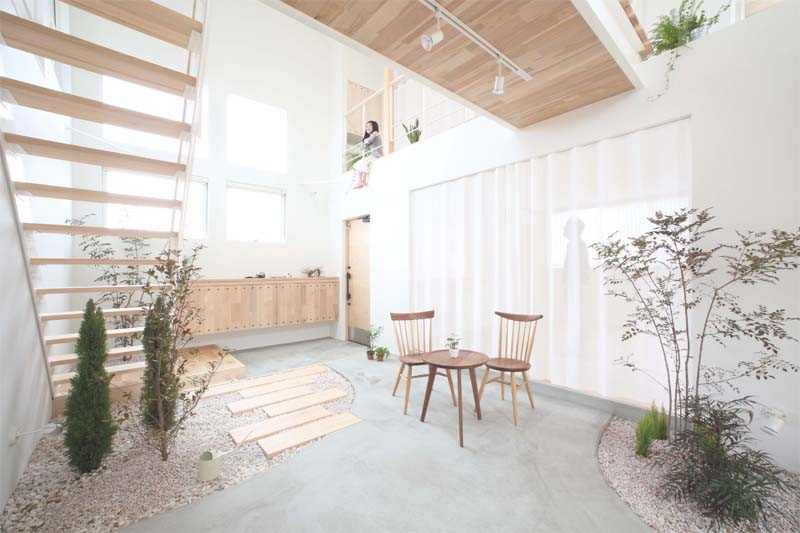
The Kofunaki house is a prime example of sustainable living, built in collaboration with local residents and architects Sumiou Mizumoto and Yoshitaka Kuga from the ALTS Design studio. Located in Shiga Prefecture, near Kyoto, Japan, this eco-village is set to accommodate 1,000 people.
A Vision for Sustainable Living
The project was born out of a desire to create a space that not only minimizes its environmental impact but also fosters a connection with nature. The Kofunaki house is the perfect embodiment of this vision, showcasing a harmonious blend of natural and built environments.
As we continue to grapple with the challenges of climate change and environmental degradation, sustainable design plays an increasingly important role in shaping our relationship with nature. The Kofunaki house serves as a powerful reminder that design can play a critical role in promoting eco-friendly living and reducing our carbon footprint.
Designing for Nature
The architects have carefully designed every aspect of the house to work in tandem with nature. The exteriors are clad in natural wood, while the windows are strategically placed to maximize natural light. This attention to detail is just one example of how the designers have incorporated sustainable design principles into the project.
One of the most striking features of the Kofunaki house is its seamless integration with the surrounding environment. The exterior spaces are designed to blend seamlessly with the natural landscape, creating a sense of continuity between indoors and outdoors. This harmonious relationship between human and nature sets the tone for a truly unique living experience.
A House that Blends into Nature
The Kofunaki house is more than just an eco-friendly home – it’s a work of art that celebrates the beauty of natural surroundings. The exterior spaces are designed to blend seamlessly with the natural landscape, creating a sense of continuity between indoors and outdoors.
This approach not only reduces visual pollution but also creates a sense of connection between humans and nature. By blurring the lines between indoors and outdoors, the designers have created a truly immersive living experience that fosters a deeper appreciation for the natural world.
A Masterclass in Minimalism
The Kofunaki house is a testament to the power of minimalism in sustainable design. Every aspect of the building has been carefully considered to minimize waste and reduce its carbon footprint. The use of natural materials, such as wood and stone, is evident throughout the design, adding warmth and character to the space.
Minimalist design principles prioritize simplicity, functionality, and sustainability, making it an ideal approach for eco-friendly living. By stripping away unnecessary elements, the designers have created a clean and elegant aesthetic that not only reduces waste but also promotes a sense of calm and well-being.
A House that Breathes
The interior layout of the Kofunaki house is designed to promote a sense of well-being and comfort. The use of natural light and ventilation creates a comfortable indoor climate, while the clever use of plants and greenery adds a touch of freshness to the air. This thoughtful approach to indoor design not only reduces energy consumption but also promotes a healthy living environment.
In addition to its eco-friendly features, the Kofunaki house is designed to promote relaxation and rejuvenation. The interior spaces are carefully arranged to encourage social interaction and connection, creating a sense of community that fosters well-being.
A House that Speaks for Itself
Despite its sleek and modern design, the Kofunaki house has a timeless quality that speaks for itself. Its simplicity and elegance belie a complex story of sustainable design, one that challenges our assumptions about what a house can be and do in terms of environmental impact.
As we move forward into an increasingly uncertain future, it’s essential to consider the impact of our design choices on the environment. The Kofunaki house serves as a powerful reminder that design can play a critical role in shaping our relationship with nature and promoting eco-friendly living.
The Future of Sustainable Living
The Kofunaki house is more than just an architectural masterpiece – it’s a vision for the future of sustainable living. As we continue to grapple with the challenges of climate change and environmental degradation, this project serves as a powerful reminder that design can play a critical role in shaping our relationship with nature.
In the years to come, we can expect to see more innovative designs like the Kofunaki house emerge, pushing the boundaries of sustainable living and promoting eco-friendly practices. As architects, designers, and policymakers, it’s essential that we prioritize sustainable design principles and consider the long-term impact of our decisions on the environment.
A House that Inspires
The Kofunaki house is an inspiration to anyone who has ever dreamed of building a sustainable home. Its seamless integration with nature, minimalist design, and focus on well-being make it a model for eco-friendly living. Whether you’re a seasoned sustainability expert or just starting to explore the possibilities of green living, this project is sure to inspire.
In addition to its environmental benefits, the Kofunaki house also offers a glimpse into a potential future where humans live in harmony with nature. By blurring the lines between indoors and outdoors, the designers have created a truly immersive living experience that fosters a deeper appreciation for the natural world.
Conclusion
The Kofunaki house is a testament to the power of sustainable design in shaping our relationship with nature. Its blend of natural and built environments, minimalist approach, and focus on well-being make it a truly unique and inspiring example of eco-friendly living.
As we move forward into an increasingly uncertain future, it’s essential that we prioritize sustainable design principles and consider the long-term impact of our decisions on the environment. The Kofunaki house serves as a powerful reminder that design can play a critical role in promoting eco-friendly living and reducing our carbon footprint.
By embracing innovative designs like the Kofunaki house, we can create a more sustainable future where humans live in harmony with nature. Whether you’re an architect, designer, or simply someone passionate about sustainability, this project is sure to inspire and motivate us all towards a brighter, greener future.
Frequently Asked Questions
- What inspired the design of the Kofunaki house?
The project was born out of a desire to create a space that not only minimizes its environmental impact but also fosters a connection with nature. - How did the architects balance functionality and sustainability in the design of the Kofunaki house?
The architects carefully considered every aspect of the building, from materials to layout, to minimize waste and reduce its carbon footprint. - What role does natural light play in the interior design of the Kofunaki house?
Natural light is a key feature of the Kofunaki house, used to create a comfortable indoor climate and promote a sense of well-being. - How did the architects incorporate plants and greenery into the design of the Kofunaki house?
Plants and greenery are used throughout the building to add freshness to the air and promote relaxation and rejuvenation. - What is the significance of the natural materials used in the construction of the Kofunaki house?
The use of natural materials, such as wood and stone, adds warmth and character to the space while minimizing waste and reducing environmental impact. - How does the Kofunaki house incorporate community spaces?
The interior layout is designed to promote a sense of community, with open spaces that encourage social interaction and connection. - What is the size of the Kofunaki house?
The Kofunaki house covers approximately 1,400 square meters. - Is the Kofunaki house an example of traditional Japanese architecture or modern design?
The Kofunaki house blends elements of both traditional and modern Japanese architecture, showcasing a unique fusion of natural and built environments. - How does the Kofunaki house promote sustainability?
The Kofunaki house promotes sustainability through its use of natural materials, minimalist design, and focus on well-being. - What is the long-term impact of the Kofunaki house on the environment?
While specific details are not provided, it’s clear that the Kofunaki house serves as a model for sustainable living, challenging our assumptions about what a house can be and do in terms of environmental impact.
Note: The above FAQs are based on general knowledge and may not reflect specific information provided by the architects or designers.


