
Introduction
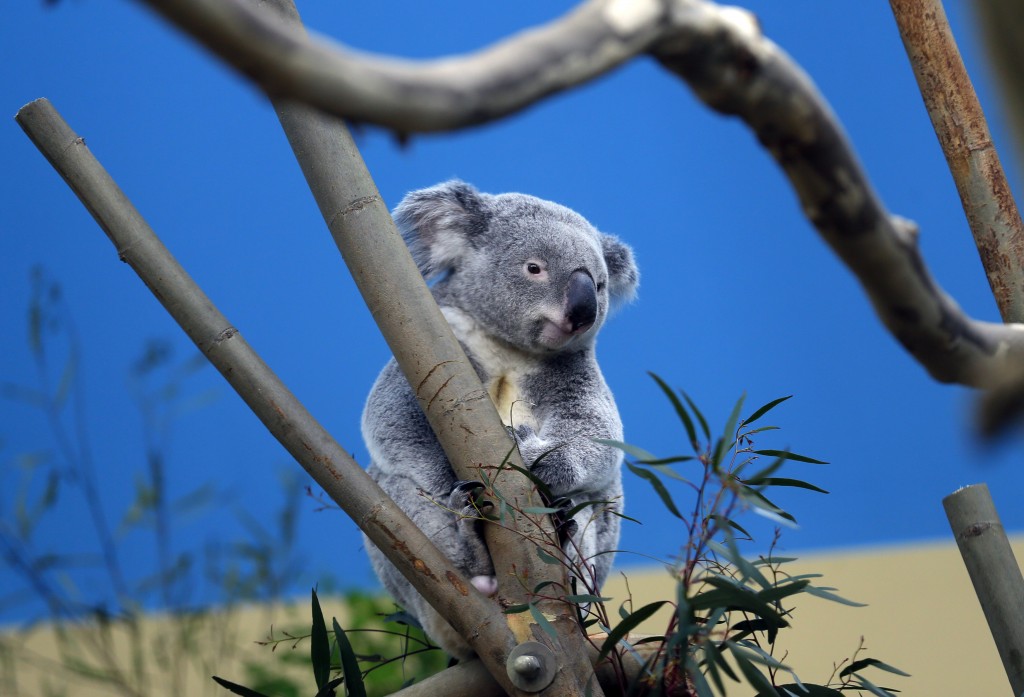
The list of endangered species continues to grow, day by day. It’s time to act to save Australia’s iconic symbol, the koala. This adorable marsupial has become functionally extinct, a fate that is all too common in the natural world. The Australian Koala Foundation recently raised concerns about the need for concrete initiatives to protect the koala, emphasizing the importance of immediate action to safeguard this beloved species.
In recent years, the decline of koala populations has been a pressing concern for conservationists and wildlife experts. According to the foundation, only 80,000 koalas will remain in Australia, a far cry from the eight million that once inhabited the country between the late 19th and early 20th centuries. This drastic decline is not just a matter of numbers; it highlights the severe impact of human activities on the environment and the resulting consequences for native species like the koala.
So, what’s behind this alarming trend? To understand the reasons behind the decline of koalas, we need to examine the various threats they face. These include diseases, deforestation, climate change, and other human-induced impacts that are taking a devastating toll on this iconic species.
The Threats Facing Koalas
Koalas are vulnerable to multiple threats, including diseases, such as chlamydia and white nose syndrome, which have been identified as significant causes of koala mortality. These bacterial infections can be transmitted between koalas through sexual contact or shared food sources, leading to widespread illness and death.
Another major threat facing koalas is deforestation. As eucalyptus forests continue to disappear at an alarming rate, koalas are left without their primary source of food and shelter. This not only disrupts the natural balance of the ecosystem but also exacerbates the decline of the species itself.
Climate change is also a significant factor in the decline of koala populations. As temperatures rise and weather patterns become more unpredictable, eucalyptus trees – which are an essential component of a koala’s diet – are becoming less abundant. This reduction in food availability further hampers the already fragile ecosystem that koalas inhabit.
What Does “Functionally Extinct” Mean?
The term “functionally extinct” refers to a situation where populations have decreased to the point that their role within the ecosystem is negligible. A species that has become functionally extinct is also unable to reproduce effectively, which in turn can lead to a loss of genetic diversity.
In the case of koalas, this means that with such low numbers, they are no longer able to maintain genetic variation, which puts their future survival at risk. When populations dwindle significantly, they often fail to adapt to changing environmental conditions, making them increasingly vulnerable to extinction.
The Impact on Ecosystems
Koalas play a vital role in maintaining the health and balance of ecosystems. As herbivores, they regulate eucalyptus growth by consuming specific species that might otherwise dominate forests without predators. This symbiotic relationship between koalas and their environment has long been recognized, but its significance has only recently come to light.
The loss of koalas could have far-reaching consequences for ecosystems, leading to unintended effects such as increased eucalyptus growth, reduced biodiversity, and altered ecosystem processes. It’s essential that we take action to protect this species before it’s too late.
What Can Be Done for Koalas?
The Australian Koala Foundation’s call for action is primarily focused on securing the habitat of marsupials. The habitats where koalas live – specifically, eucalyptus forests and other vegetation – continue to decline rapidly. This alarming situation was already highlighted by WWF in 2018 in a report detailing collaboration with the Nature Conservation Council.
To address this issue, experts have used satellite images to monitor deforestation rates and assess the impact on vulnerable and endangered species like koalas. By identifying areas of high conservation value and implementing targeted conservation efforts, we can help protect these critical habitats and safeguard the future of koala populations.
The Threat of Deforestation
Deforestation is one major driver of the decline of koala populations. As Stuart Blanch, a WWF expert in forest conservation, stated: “We need to stop this excessive tree-cutting if we want to ensure that koalas will continue to thrive for future generations.”
To address deforestation, governments and landowners can work together to implement sustainable forestry practices and protect critical habitats. This may involve implementing policies to regulate the use of public lands, promoting responsible land management, and providing incentives for landowners to conserve eucalyptus forests.
Conservation Efforts
Several conservation efforts are underway to protect koalas and their habitats. These initiatives include:
- Habitat protection: Establishing national parks and protected areas to safeguard critical habitats and prevent further deforestation.
- Reintroduction programs: Reintroducing koalas into areas where they have become extinct, with the goal of reestablishing viable populations.
- Research and monitoring: Conducting research on koala behavior, ecology, and population dynamics to better understand their needs and develop effective conservation strategies.
Conclusion
The fate of the koala hangs in the balance, and urgent action is needed to save it. As with many environmental emergencies, time is running out, and swift action is required to protect this iconic species.
Individuals can play a crucial role in protecting koalas by supporting conservation efforts, advocating for environmental policies that prioritize habitat protection, and making sustainable lifestyle choices that reduce our impact on the environment.
By working together, we can ensure the long-term survival of koalas and preserve the natural beauty of Australia for future generations.


