
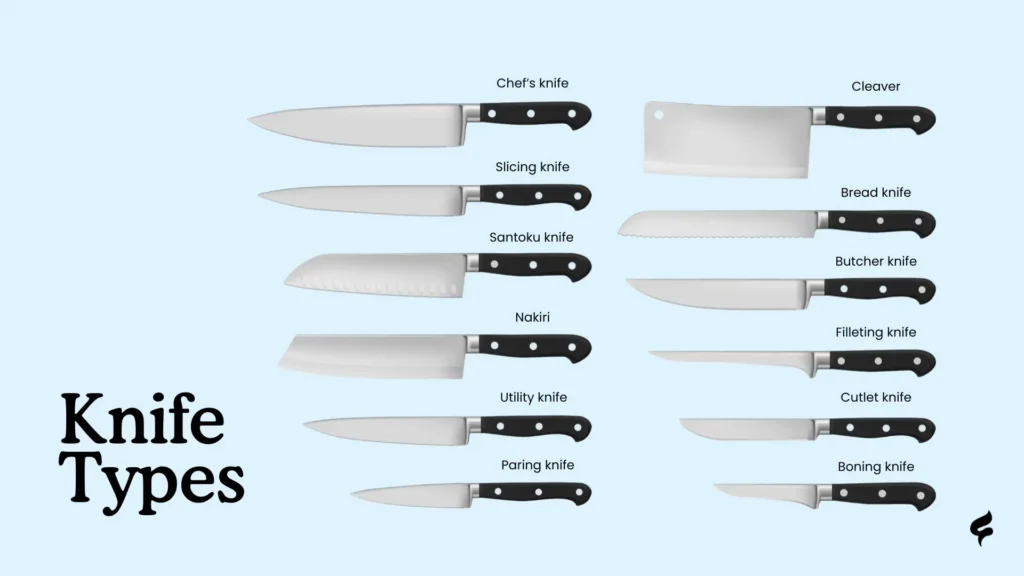
Kitchen knives are a crucial tool for any home cook or professional chef. With so many options available, it can be overwhelming to decide which ones to choose. In this article, we’ll explore the different types of kitchen knives, their uses, and what to look for when selecting the best ones for your needs.
What Kitchen Knives Do You Really Need?
You don’t need a entire collection of kitchen knives to become an excellent cook. Even top chefs only use a few essential tools. The key is to choose the right ones for your cooking style and preferences. Consider what you plan to cook most often, and then select the necessary knives accordingly.
Which Knives Are Versatile?
Some knives are more versatile than others. Two of the best options are the chef’s knife (or trinciante) and the Japanese-style santoku. These knives are easy to handle and can be used for a variety of tasks, such as chopping vegetables, making sauces, and preparing meat.
The chef’s knife is a classic choice for home cooks and professional chefs alike. It’s versatile and can be used for a wide range of tasks, from chopping to slicing and mincing. The santoku, on the other hand, is a Japanese-style knife that’s designed specifically for cutting and chopping vegetables.
What About Specialty Knives?
Depending on your cooking habits, you may need specialized knives for specific tasks. For example:
- A fish knife is essential for filleting fish and other delicate meats.
- A carving knife is perfect for slicing large cuts of meat, such as roast beef or turkey.
- A bread knife is designed specifically for cutting crusty breads and rolls.
Choosing the Right Handle Material
The handle material can significantly affect the performance of your knives. Some popular options include:
- Wooden Handles: Lightweight and comfortable to hold, wooden handles are ideal for chopping, slicing, and mincing.
- Plastic Handles: Affordable and durable, plastic handles work well for everyday use but may not be suitable for high-temperature cooking or heavy-duty tasks.
- Metallic Handles: Durable and resistant to scratches, metallic handles are perfect for professional chefs who need a reliable tool.
Laminate vs. Forged Knives: What’s the Difference?
Knives can be made using either forged or stamped processes. While both methods produce excellent results, there are some key differences:
- Forged Knives: These knives are created through a more labor-intensive process that involves heating and hammering metal to shape it into the desired form. Forged knives tend to be heavier, have a more rustic appearance, and retain their sharpness better over time.
- Stamped Knives: Made using machinery, stamped knives are lighter, less expensive, and often feature more intricate designs. However, they can be prone to rust and may lose their sharpness faster.
Choosing the Right Laminate Material
The laminate material used in your knife can significantly impact its performance. Some popular options include:
- Stainless Steel: Resistant to corrosion, stainless steel is an excellent choice for high-temperature cooking or frequent use.
- High-Carbon Steel: Sharper and more durable than stainless steel, high-carbon steel knives require regular sharpening but offer superior cutting performance.
What Makes a Good Quality Knife?
When selecting a knife, look for the following qualities:
- A sharp blade that can cut through food with ease
- An ergonomic handle that fits comfortably in your hand
- A durable construction that withstands regular use
By considering these factors and choosing the right kitchen knives for your needs, you’ll be well on your way to becoming a skilled cook who can tackle even the most complex recipes.
Frequently Asked Questions
- What is the best type of knife for beginners?
- A good starting point for beginners is a versatile chef’s knife or santoku.
- How often should I sharpen my knives?
- The frequency of sharpening depends on how often you use your knives. If you’re a frequent cook, you may need to sharpen your knives every few months.
- Can I put my knives in the dishwasher?
- No, it’s not recommended to put your knives in the dishwasher as they can be damaged by high temperatures and harsh detergents.
- How do I care for my wooden knife handles?
- Regularly wipe down your knife handles with a soft cloth and mild soap to keep them clean and dry.
Conclusion
Choosing the right kitchen knives can seem overwhelming, but by considering the different types of knives, their uses, and what features make a good quality knife, you can select the perfect tools for your cooking needs.


