
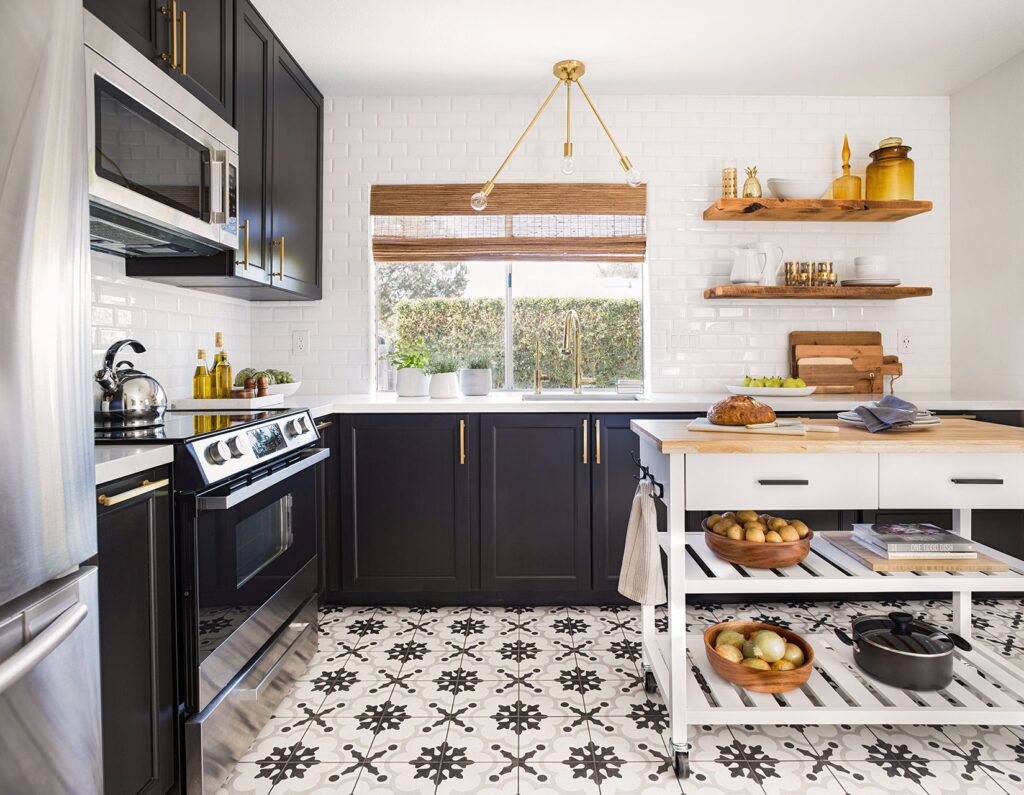
After showing you how to decorate a living room, we’ll now share some expert tips on decorating your kitchen. Believe it or not, your kitchen is where you live, so making it look and feel great can greatly impact your daily life.
When it comes to decorating a kitchen, the first step is to choose a color scheme that will guide all of your design decisions: walls, furniture, stove, and accessories must follow these guidelines. A well-planned color scheme can create a cohesive and inviting atmosphere in your kitchen, making meal preparation and socializing more enjoyable.
Choosing Your Color Scheme
Creating a cohesive look in your kitchen requires selecting a palette of colors that work well together. A single-color scheme (monochromatic) can be quite elegant, especially when paired with interesting textures and patterns to add depth and visual interest. Black and white is a classic choice that complements traditional fixtures like old silverware and fine china.
To break up the monotony of a monochromatic color scheme, consider incorporating different themes or motifs. This could range from a zig-zag black-and-white pattern on tile flooring to adding potted plants – an excellent way to add visual interest. By mixing and matching colors in a thoughtful manner, you can create a unique and personalized look that reflects your style.
For example, if you choose a bold color for your walls, such as a bright red or yellow, balance it out with neutral-colored furniture and accessories. This will prevent the space from feeling overwhelming and create a harmonious atmosphere.
Utilize Your Space Wisely
If you have limited space and must decorate your kitchen, make the most of every inch. Use wall-mounted shelves, floating shelves, tall cabinets, or hanging planters to maximize storage without sacrificing style. Consider installing a pegboard on a wall or using adhesive hooks to hang utensils and pots.
When it comes to organizing a small kitchen, efficient use of vertical space is essential. Consider implementing an intelligent storage system that keeps everything tidy and organized while still maintaining a sleek aesthetic. For instance, you can install shelves above your countertops to store items like cookbooks, baking supplies, or food containers.
Designing for Functionality
For larger kitchens, you can focus on both function and aesthetics by incorporating a banquette with built-in storage. This will provide a convenient spot for food preparation and keep your countertops clear. When choosing a color scheme for your kitchen, consider the functional elements of the space as well. For example, if you have a large island or peninsula, choose colors that complement its design.
While it’s tempting to go bold with bright colors or glossy finishes in large spaces, neutral tones are often the safest bet. These versatile shades like beige, cream, and light gray can create a clean and welcoming atmosphere without overwhelming the senses.
Revamping Your Kitchen on a Budget
If you’re not ready to completely overhaul your kitchen’s design, consider giving it a fresh new look by repainting it with a bold color or reupholstering furniture. For example, updating the hardware on your cabinets or refinishing your existing woodwork can give your space a makeover without breaking the bank.
Additionally, consider swapping out your lighting fixtures for something more modern and stylish. This is an affordable way to update the overall look of your kitchen without making any major changes.
Neutral Color Palette Options
A “neutral” color palette is ideal for creating a clean and inviting kitchen atmosphere. Shades like light gray, cream, or beige are perfect for incorporating accessories that complement them without causing visual dissonance.
When selecting neutral colors, consider the overall style of your kitchen. For example, if you have a traditional kitchen with ornate fixtures, choose warm neutrals like beige or taupe to create a cohesive look. On the other hand, if you have a modern kitchen with sleek lines and minimal ornamentation, opt for cooler neutrals like light gray or white.
By incorporating neutral colors into your design, you can create a versatile space that will complement both functional elements and decorative accents.
Kitchen Design Themes
Popular design themes for kitchens include:
- Monochromatic schemes: Using different shades of the same color to create a cohesive look.
- Geometric patterns: Incorporating shapes like triangles, hexagons, or chevrons into your design through tile work, flooring, or accessories.
- Natural materials: Using elements like wood, stone, or plants to bring warmth and texture to your kitchen.
- Lighting features: Highlighting key areas of the kitchen with clever lighting designs.
By carefully considering your color scheme, space utilization, functional elements, budget-friendly updates, and neutral color palette options, you’ll be well on your way to creating a beautiful and functional kitchen that suits your lifestyle.
Kitchen Layout Considerations
When planning your kitchen layout, consider the flow of traffic in the space. Make sure there is enough room for everyone to move comfortably without feeling cramped or confined.
Also, think about the “work triangle” – the distance between your sink, stove, and refrigerator. This should be as short as possible to minimize walking distances and improve efficiency during meal preparation.
Finally, consider the overall scale of your kitchen. Large spaces can feel overwhelming if not balanced with smaller elements, while small kitchens may feel cramped if too many large pieces are introduced.
By incorporating these design considerations into your planning process, you’ll create a functional and beautiful kitchen that meets your needs and enhances your daily life.
Kitchen Storage Ideas
When it comes to storage, consider implementing intelligent solutions like:
- Wall-mounted shelves: Perfect for storing cookbooks, baking supplies, or food containers.
- Floating shelves: Great for displaying decorative items or showcasing your favorite cookware.
- Tall cabinets: Ideal for storing large appliances, such as stand mixers or blenders.
- Hanging planters: Add a touch of greenery to your kitchen while keeping it organized and clutter-free.
By incorporating these storage ideas into your design, you’ll create a functional and efficient kitchen that meets your needs and enhances your daily life.
FAQs
- What is the most important factor when choosing a color scheme for my kitchen?
When selecting a color palette for your kitchen, consider both functionality and aesthetics. Your chosen colors should create an inviting atmosphere while also complementing any existing fixtures or furniture. - How can I maximize space in a small kitchen?
To make the most of limited kitchen space, focus on vertical storage solutions like floating shelves, wall-mounted cabinets, or hanging planters. Consider implementing intelligent storage systems that keep everything tidy and organized without sacrificing style. - What are some popular neutral colors for kitchen design?
Popular neutral colors include beige, cream, light gray, and white. These versatile shades can create a clean and welcoming atmosphere in your kitchen while providing a blank canvas for adding accessories or new elements. - Can I update my existing cabinets without replacing them entirely?
Yes, you can give your existing cabinets a fresh new look by updating the hardware (such as knobs or handles) or repainting or refinishing them to match your desired color scheme. - How do I decide on the perfect color for my kitchen walls?
When selecting colors for your kitchen walls, think about both functionality and aesthetics. Choose shades that create a welcoming atmosphere while also complementing any existing fixtures or furniture.
By following these expert tips and considering your color scheme, space utilization, functional elements, budget-friendly updates, and neutral color palette options, you’ll be well on your way to creating a beautiful and functional kitchen that suits your lifestyle.


