
If you’re a dog enthusiast or simply looking to learn about a lesser-known breed, look no further than the Kishu. Hailing from Japan, this spitz-type canine has been shrouded in mystery for centuries. Let’s delve into the world of this captivating dog and explore its unique characteristics, history, and rarity.
A Brief History of the Kishu
The Kishu’s origins date back to the mountainous region of Kishu, located between the prefectures of Mie and Wakayama in Japan. This ancient breed has been recognized as a national monument since 1934. Initially, Kishus had a distinctive coat with varying colors, including red and sesame stripes. However, over time, they evolved to become primarily white-coated dogs.
The Kishu’s history is closely tied to the traditional Japanese hunting practices of the region. These skilled hunters prized the breed for its speed, agility, and tenacity, making it an invaluable companion in the mountains and forests of Japan. The breed’s unique characteristics allowed them to thrive in this environment, where they played a crucial role in supporting local communities.
Physical Characteristics: The Kishu’s Unique Features
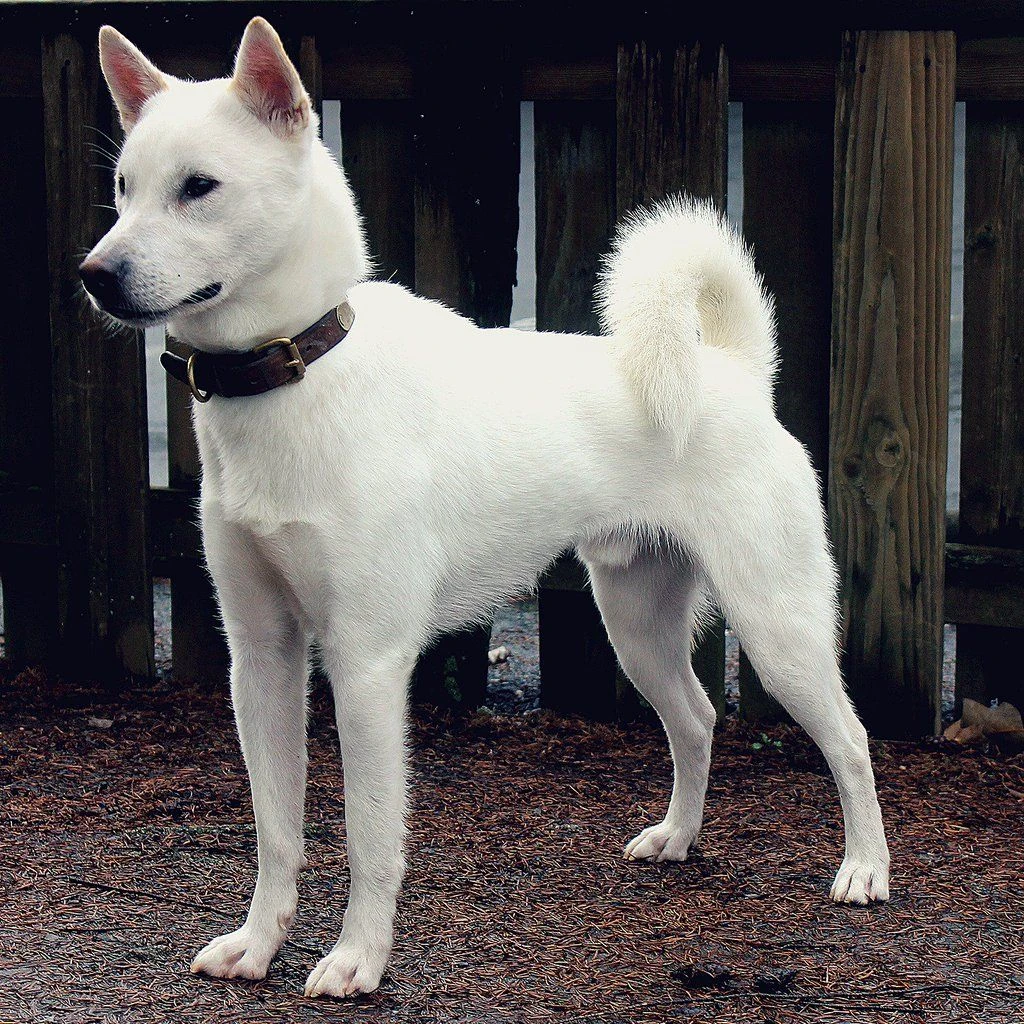
The Kishu is a medium-sized dog with a sturdy build, standing approximately 50 cm tall at the shoulder. Its compact torso suggests a robust bone structure, while its triangular head and distinctive muzzle are characteristic of Eastern breeds. The dog’s eyes are small, brown, and almond-shaped, while its ears are triangular and slightly angled forward. The tail is thick and curly, resembling a scimitar.
The Kishu’s coat consists of two layers: a coarse, straight outer layer and a soft, dense undercoat. This unique combination gives the breed its distinctive appearance. Colors can range from pure white to red and sesame, although white is the most common.
One of the most striking features of the Kishu is its head shape, which is characteristic of many Eastern breeds. The skull is broad and flat, with a well-defined stop (the area where the muzzle meets the forehead). The muzzle is narrow and tapering, while the lips are thin and curled under.
Personality Traits: The Kishu as a Companion
As a companion dog, the Kishu excels in terms of loyalty and affection towards its owner. It’s known for being gentle, yet energetic, making it an excellent fit for active families or individuals who can provide regular exercise and attention. Despite its rugged appearance, the Kishu is relatively easy to train, thanks to its intelligence and eagerness to please.
The Kishu is a highly social breed that thrives on interaction with its human family members. It’s not uncommon to see them following their owners around the house or eager to join in on outdoor activities. However, this breed also values its independence, making it essential to provide plenty of mental stimulation and exercise.
Health Considerations: The Kishu’s Unique Challenges
As one of Japan’s most prized breeds, the Kishu is not immune to certain health issues that can affect other breeds. One of the primary concerns is hip dysplasia, a genetic disorder that affects the joint structure of dogs. Regular veterinary check-ups and monitoring for signs of discomfort or pain are crucial in preventing this condition.
Another challenge facing Kishus is their potential susceptibility to skin allergies, which can be triggered by environmental factors such as pollen or dust. Regular grooming and maintaining a balanced diet can help minimize this risk.
The Elusiveness of Kishu Allevamenti: Finding a Purebred in Italy
Unfortunately, Kishu allevamenti are scarce, even in Japan. In Europe, they can be found only sporadically. If you’re interested in acquiring a purebred Kishu, you may need to look elsewhere, such as adopting an Akita or Shiba Inu from reputable breeders.
Importing a Kishu: The Challenges and Considerations
If you’re determined to bring a Kishu into your life, be prepared for the challenges of importing a dog from abroad. This can include navigating complex regulations, securing necessary vaccinations and documents, and finding a reputable breeder or rescue organization.
Before making a decision, it’s essential to research local breed clubs, veterinary associations, and dog rescue organizations in Italy or Europe. These groups often provide valuable insights into the Kishu breed, as well as resources for importing dogs from Japan or other countries.
The Price of Perfection: The High Cost of Kishus
As one of Japan’s most prized breeds, the Kishu comes with a hefty price tag. Be prepared to invest in this stunning canine, as its costs can rival those of other high-end breeds. However, for those willing to make the investment, the rewards are well worth it.
The initial purchase price of a purebred Kishu can range from €5,000 to €20,000 or more, depending on factors such as bloodlines, age, and color. Ongoing costs, including food, veterinary care, and training, should also be factored into your budget.
Conclusion: Unveiling the Allure of the Kishu
The Kishu is an enigmatic breed that has captivated dog enthusiasts worldwide with its unique appearance and captivating personality. While finding a purebred in Italy may be challenging, its allure extends far beyond geographical boundaries. With patience and dedication, you can uncover the secrets of this ancient canine companion.
Frequently Asked Questions (FAQs)
- Q: What is the origin of the Kishu breed?
A: The Kishu originates from Japan’s mountainous region of Kishu. - Q: How do I find a purebred Kishu in Italy or Europe?
A: Unfortunately, Kishu allevamenti are scarce. Consider adopting an Akita or Shiba Inu instead. - Q: What is the average lifespan of a Kishu?
A: The average lifespan of a Kishu is 10-15 years. - Q: How much does a purebred Kishu cost?
A: The price of a purebred Kishu can range from €5,000 to €20,000 or more. - Q: Is the Kishu a good breed for first-time owners?
A: While intelligent and trainable, the Kishu requires dedication and attention. First-time owners should consider other breeds before committing. - Q: What are the most common health issues affecting Kishus?
A: Due to its rarity, limited data is available on Kishu-specific health issues. However, like all breeds, they can be prone to certain conditions that require regular veterinary care. - Q: Can I find breeders or owners for my Akita/Shiba Inu in Europe/Italy?
A: Yes, you can search online or contact local dog clubs and breed associations for assistance finding reputable breeders or owners. - Q: What is the recommended exercise routine for a Kishu?
A: As an energetic breed, a Kishu requires regular exercise (at least 30 minutes per day) to maintain its physical and mental well-being.
By exploring the enigmatic world of the Kishu, you’ll discover a unique canine companion that will capture your heart. With patience, dedication, and the right resources, you can bring this ancient breed into your life.


