
Introduction
The Martin Pescatore, also known as “Santa Maria’s bird,” is a member of the Coraciforme order and the Alcedinidae family. With its unique appearance and habits, this bird has earned the admiration of many ornithologists and enthusiasts alike. The name “Pescatore” literally translates to fish-eater in Italian, which is fitting given the bird’s dietary preferences.
Characteristics of the Martin Pescatore
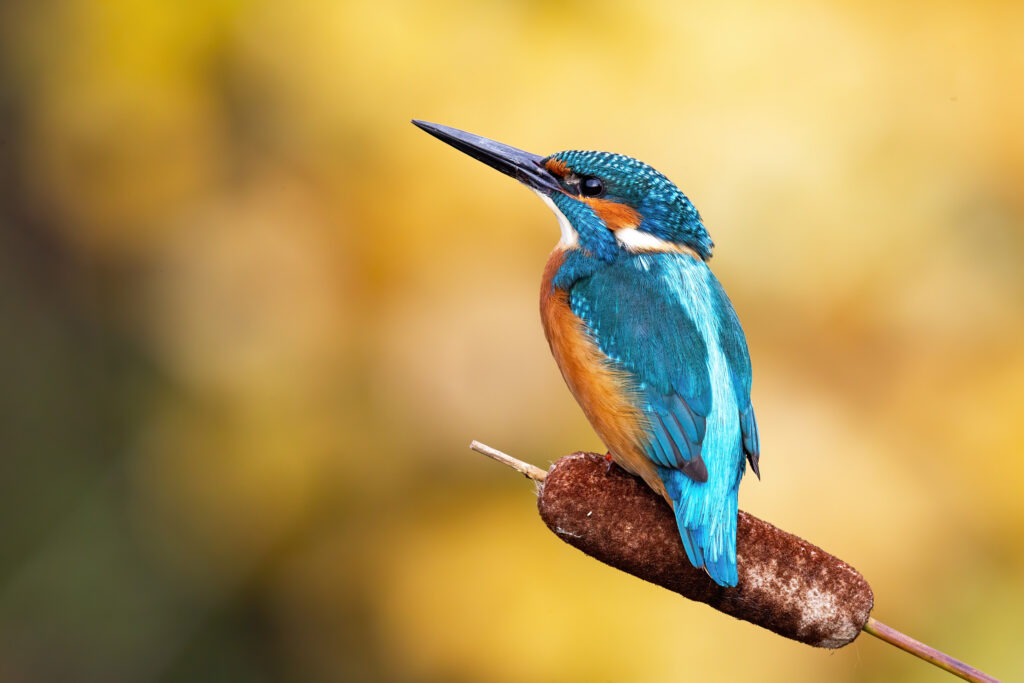
The Martin Pescatore boasts a distinctive beak that lengthens from base to tip, paired with short wings and tail. Its plumage is equally impressive, featuring a bluish-green hue on its upper body, gradually transitioning into golden rusty tones as it descends towards its cheeks. The crowning glory of its appearance is the white tip on its neck.
This bird’s character is not one of showmanship; it’s unassuming and reserved. While not unsociable, it tends to keep to itself, focusing on hunting solo or avoiding collaborations with others for territory claims. In fact, Martin Pescatore are known to be territorial birds and can become aggressive when defending their nesting sites.
Habitat of the Martin Pescatore
The Martin Pescatore inhabits Africa’s northwestern region, southern Spain, eastern Spain, Corsica, and parts of Italy. Specifically, the Atthis subspecies is found in central and southern regions, while the Ispida subspecies prevails to the north.
In terms of preferred habitats, these birds prefer areas where water flows gently over their feet, with nearby vegetation such as small shrubs or trees offering shelter. These environments are crucial for the Martin Pescatore’s survival, and it is essential to protect them from human activities that can harm their natural habitats.
Physical Characteristics
The Martin Pescatore weighs a mere 40 grams but can manage to swallow prey larger than itself due to its speed and agility. Despite being relatively short-lived, with wingspans measuring only 16/17 cm, this bird’s impressive hunting prowess allows it to thrive in environments where other birds might struggle.
When it comes to flight, the Martin Pescatore moves swiftly yet steadily, maintaining an altitude close to water levels while scanning for prey. While its feet are not as prominent as those of other species, they do get utilized occasionally, especially when searching for food near rocks or logs.
Dietary Habits
Originally, the Martin Pescatore’s diet consisted mainly of small fish, which it would typically hunt by staying still and waiting for unsuspecting prey to swim close. However, due to pollution and habitat destruction, its diet has been significantly altered over time.
In addition to fish, these birds have also taken to consuming other aquatic creatures such as crustaceans or mollusks when available. In areas where waterways are heavily polluted or constructed, they must rely on more readily available sources of food. This adaptability is a testament to the resilience of this remarkable bird species.
Breeding and Reproduction
The Martin Pescatore constructs its nests along rivers, carefully digging complex tunnel systems that provide shelter from predators while also allowing them to easily exit the nest if needed.
After mating between March and April, the female lays 5-8 eggs which are then incubated by both parents. After approximately 15 days, these eggs will hatch into tiny Martin Pescatore chicks who require further care until they fledge at an age of about two months.
Vocalizations
One of the most distinctive features of this bird is its unique song, often recorded and shared online for enjoyment by listeners worldwide. If interested in learning more about this captivating melody, please visit our dedicated video section featuring footage showcasing its remarkable voice.
The Martin Pescatore’s vocalizations can be described as a series of short, high-pitched calls, often used to establish territory or attract potential mates. These songs are an essential part of the bird’s communication strategy and play a significant role in maintaining social bonds within the species.
Coloring and Art
For younger enthusiasts or anyone looking to appreciate the beauty of nature through art, coloring sheets are available to help capture the essence of the Martin Pescatore’s striking plumage. These printable sheets can be easily found online and provide an engaging way for children (and adults!) to learn more about this fascinating bird species.
Conservation Status
Unfortunately, the Martin Pescatore is listed as a species of “Least Concern” by the International Union for Conservation of Nature (IUCN). However, due to habitat destruction and pollution, their populations are declining in some areas. Efforts should be made to protect and preserve these birds’ habitats to ensure their long-term survival.
Interesting Facts
Here are a few more interesting facts about the Martin Pescatore:
- They have excellent eyesight and can spot prey from over 10 meters away.
- Martin Pescatore are known to form long-term pair bonds, with some couples staying together for up to 20 years.
- These birds have a relatively slow metabolism compared to other bird species, allowing them to survive on limited food resources.
Video Showcase
To truly experience the elegance and agility of this extraordinary bird, we invite you to explore our extensive video library featuring stunning footage capturing its graceful flight patterns. From close-up shots of its hunting prowess to breathtaking aerial views of its habitats, our videos provide an immersive experience for all bird enthusiasts.
Related Articles
If you’re interested in learning more about other fascinating birds, please take a look at our curated list of articles focusing on remarkable species such as the Peregrine Falcon, Royal Eagle, Talking Parrots, and migratory Rondines. These articles delve into the unique characteristics, habitats, and behaviors of each bird species, offering insights into their biology and ecology.
Conclusion
The Martin Pescatore is a captivating bird that continues to inspire awe in ornithologists and enthusiasts alike. Its impressive hunting prowess, striking plumage, and unique vocalizations make it a true marvel of nature. As we continue to learn more about this remarkable species, it’s essential that we prioritize conservation efforts to protect its habitats and ensure the long-term survival of the Martin Pescatore.
Additional Resources
For those interested in learning more about the Martin Pescatore, here are some additional resources:
- The International Union for Conservation of Nature (IUCN) Red List
- BirdLife International: Martin Pescatore species account
- Cornell Lab of Ornithology: All About Birds – Martin Pescatore
These resources provide a wealth of information on the Martin Pescatore, from its habitat and diet to its breeding habits and conservation status.


