
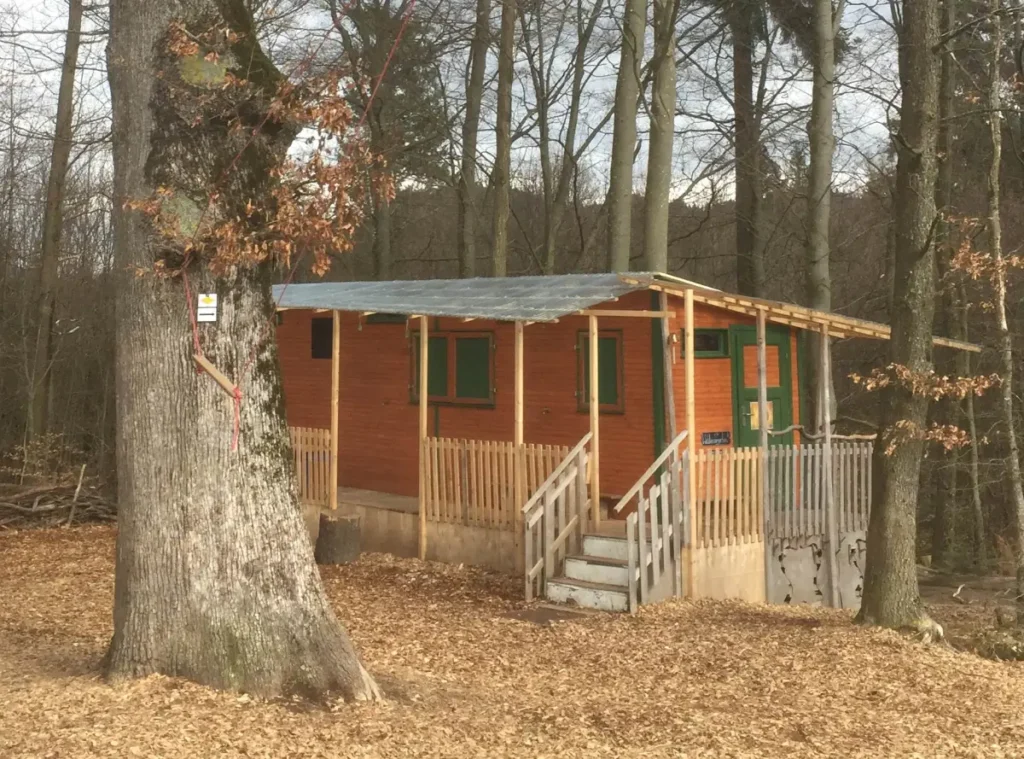
In recent years, there has been a growing interest in alternative approaches to traditional early childhood education. One such approach is forest school, which originated in Denmark over 50 years ago and has since gained popularity worldwide. In this article, we will explore the benefits of forest school, how it differs from traditional schools, and what makes it an effective way to promote holistic learning.
What is Forest School?
Forest school is a type of educational program that takes place outdoors in a natural environment. It is designed for young children, typically between the ages of 2 and 6 years old, and aims to promote socialization, creativity, and independence through hands-on experiences with nature. The approach is child-led, meaning that children are encouraged to take an active role in their learning process.
The Benefits of Forest School
Research has shown that forest school programs have numerous benefits for young children. Some of the most significant advantages include:
- Development of social skills: Forest school encourages children to interact with other children and adults, promoting socialization and friendship skills.
- Emotional intelligence: Spending time in nature can help children develop emotional intelligence, including self-awareness, empathy, and self-regulation.
- Cognitive development: Hands-on experiences with nature can stimulate cognitive growth, including problem-solving, critical thinking, and creativity.
- Physical activity: Forest school encourages physical activity, which is essential for overall health and well-being.
- Resilience and confidence: Children who participate in forest school programs tend to develop a sense of resilience and confidence that can last throughout their lives.
A Different Approach to Education
Traditional schools often focus on academic achievement, whereas forest school takes a more holistic approach to education. By spending time outdoors, children can learn about the natural world, develop their curiosity, and cultivate a sense of autonomy. This approach also promotes creativity, imagination, and self-directed learning.
The First Forest School in Italy
The first forest school in Italy was established in Ostia Antica, near Rome, about 3 years ago. This pioneering project has shown that it is possible to adapt the forest school approach to the Italian context, where children can learn through play and exploration in a natural environment. The program has been well-received by local parents and educators, who see the benefits of this innovative approach.
How Does Forest School Work?
Forest schools are typically structured around outdoor activities, such as nature walks, games, and crafts. The day is designed to promote socialization, creativity, and independence among children. Educators use a child-led approach, which means that children are encouraged to take an active role in their learning process.
The Importance of Play
Play is an essential aspect of forest school, where children can explore, experiment, and learn through hands-on experiences. Educators use play to promote a sense of curiosity, creativity, and autonomy, while also developing critical thinking skills and problem-solving abilities.
A Collaborative Approach to Education
Forest schools are often developed in collaboration with local communities, parents, and educators, which ensures that the approach is tailored to the specific needs and context of the community. This collaborative approach promotes a sense of ownership and responsibility among all stakeholders involved.
The Impact of Forest School on Children
Research has shown that children who attend forest school programs tend to have better social skills, emotional intelligence, and cognitive development than their peers who attend traditional schools. Forest school also promotes a sense of well-being, resilience, and confidence among children.
Case Studies: Success Stories from Around the World
Several countries have implemented forest school programs with great success:
- In Sweden, forest school programs are integrated into local education systems, promoting a holistic approach to learning.
- In New Zealand, forest schools are designed to promote cultural awareness and connection to indigenous traditions.
- In Australia, forest schools focus on outdoor education, including activities such as bushwalking and environmental conservation.
Conclusion
Forest school is an innovative approach to early childhood education that promotes holistic learning, socialization, and creativity. By spending time in nature, children can develop essential skills, such as critical thinking, problem-solving, and emotional intelligence, while also promoting physical activity and well-being. As we continue to explore new approaches to education, forest school is certainly an approach worth considering.
Frequently Asked Questions
Q: What is the primary goal of forest school?
A: The primary goal of forest school is to encourage children to develop a sense of awareness and respect for nature, while also promoting socialization, creativity, and independence.
Q: How does forest school differ from traditional schools?
A: Forest school differs from traditional schools in that it takes place outdoors, where children can engage with nature and learn through hands-on experiences.
Q: What is the age range for forest school?
A: The age range for forest school varies depending on the program, but typically ranges from 2 to 6 years old.
Q: How do educators ensure child safety in a forest school setting?
A: Educators use a child-led approach and ensure that children are supervised at all times while outdoors. They also teach children about basic outdoor skills, such as navigation and first aid.
Q: Can I visit a forest school program?
A: Yes, many forest school programs offer tours or observation days for parents and caregivers who want to learn more about the program.
Q: How can I get involved in a forest school program?
A: You can contact local forest schools or organizations that offer forest school programs and ask about volunteer opportunities or how to enroll your child.
Q: What are the benefits of forest school for parents?
A: Forest school promotes socialization, emotional intelligence, and well-being among children, which can also benefit parents who see their children develop essential life skills.
Getting Involved in a Forest School Program
If you’re interested in exploring forest school programs, here are some steps to get started:
- Search online for local forest schools or organizations that offer forest school programs.
- Contact the program directly to ask about volunteer opportunities or how to enroll your child.
- Attend an observation day or tour to learn more about the program.
- Consider becoming a parent-teacher association member to support the program and advocate for its benefits.
By embracing the forest school approach, we can promote holistic learning, socialization, and creativity among young children, while also fostering a deeper connection with nature and our community.


