
Introduction
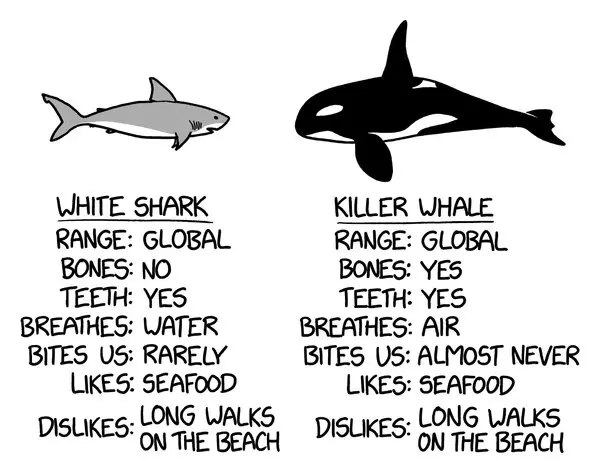
For centuries, the orca and white shark have been regarded as two of the most formidable predators in the ocean. The white shark has long been considered the apex predator, but recent studies have revealed that orcas may actually be the top dog – or should we say, top fish? In this article, we’ll delve into the fascinating world of these marine giants and explore the characteristics, behaviors, and hunting strategies of both species.
The Orca: A Mammal with a Killer Reputation
Orcas, also known as killer whales, are actually dolphins, not whales. Despite their fearsome reputation, orcas are highly social creatures that live in complex societies with distinct dialects and cultural traditions. They’re apex predators, feeding on a wide variety of prey including fish, seals, sea lions, and even other whales.
Orcas have been observed exhibiting intelligent behavior, such as hunting cooperatively, solving problems, and even displaying playful behavior. Their large brains are capable of complex thought processes, allowing them to adapt to changing environments and exploit new food sources. In fact, studies have shown that orcas possess the largest brain-to-body mass ratio of any animal on Earth.
The White Shark: A Fearsome Hunter
White sharks are indeed powerful predators, known for their impressive size (up to 20 feet long) and speed (up to 35 miles per hour). They’re found in coastal waters around the world and feed on a variety of prey, including fish, seals, and other marine mammals. However, when it comes to hunting strategy, white sharks tend to be more solitary than orcas.
White sharks are apex predators due to their ability to hunt large prey items such as sea lions, sea otters, and even small whales. Their powerful jaws and serrated teeth allow them to take down a wide range of prey, from fish and squid to marine mammals and even other sharks. Despite their fearsome reputation, white sharks are relatively rare in certain areas, with some studies suggesting that they may only inhabit specific coastal ecosystems.
The Great Hunter: Orca vs. White Shark
So, who’s the real top predator? Let’s look at some key statistics:
- Size: Orcas can grow up to 32 feet long and weigh over 12,000 pounds, while white sharks reach a maximum length of 20 feet and weigh around 5,000 pounds.
- Speed: Both species are fast swimmers, but orcas can reach speeds of up to 35 miles per hour, while white sharks top out at around 25 miles per hour.
- Hunting strategy: Orcas hunt in groups, using complex communication and coordination to catch their prey. White sharks, on the other hand, tend to solo hunt, relying on stealth and speed to take down their quarry.
What’s the Real Prey of the Orca?
One of the most interesting aspects of orca behavior is their preference for certain prey species. While they do feed on a wide variety of fish and marine mammals, their favorite snack is actually the liver of other predators – including white sharks! This unusual dietary preference has been observed in orcas around the world.
In fact, studies have shown that orcas will often target specific whale species, such as gray whales and minke whales, for their valuable liver oil. This behavior suggests a level of adaptability and problem-solving ability on the part of the orca, allowing them to exploit new food sources and expand their diet.
How Do Orcas Take Down White Sharks?
So, how do orcas manage to catch their prey, particularly white sharks? The answer lies in a clever hunting strategy. Orcas use their speed and agility to chase down their quarry, then employ a clever tactic called “triangulation.” By positioning themselves on either side of the shark, they can corner it and prevent escape.
This unique hunting technique allows orcas to take down larger prey items, such as white sharks, which are notoriously difficult to catch. The orca’s ability to hunt in groups also gives them a significant advantage over solitary predators like white sharks.
Social Structure: A Key Factor in Orca Success
One of the most fascinating aspects of orca behavior is their complex social structure. Orcas live in distinct populations with their own dialects, cultural traditions, and even social hierarchies. This level of complexity allows them to communicate effectively with each other and coordinate hunting efforts.
In fact, studies have shown that orcas can recognize individual members of their pod and even exhibit affectionate behavior towards each other. This advanced social behavior is rare in the animal kingdom and suggests a high degree of intelligence and adaptability on the part of the orca.
White Sharks: A More Solitary Predator
While white sharks are certainly formidable predators, they tend to be more solitary than orcas. They’re often found alone or in small groups, and their hunting strategy tends to be more individualized.
Despite their impressive size and speed, white sharks are vulnerable to predation from larger animals like killer whales (orcas). This is due in part to their relatively small brain-to-body mass ratio, which limits their ability to think strategically or communicate with each other.
Conservation Status: A Growing Concern
Both orca and white shark populations are facing significant threats to their survival. Orcas are hunted for their meat and organs (such as liver oil), while white sharks are targeted for their fins, which are highly valued in the seafood trade.
As a result, both species are listed on the IUCN Red List of threatened species, with orcas classified as “vulnerable” and white sharks classified as “near threatened.” Conservation efforts are underway to protect these iconic predators, but more needs to be done to address the growing threat posed by human activities.
Conclusion
In conclusion, while both orcas and white sharks are formidable predators, the real top dog is actually an orca. With their impressive size, speed, complex social behavior, and advanced problem-solving abilities, these marine mammals reign supreme in the ocean’s food chain.
As we continue to learn more about these incredible animals, it’s clear that conservation efforts must prioritize protecting both orcas and white sharks from human threats. By doing so, we can ensure the long-term survival of these iconic predators and preserve the delicate balance of the ocean ecosystem.
Frequently Asked Questions
- Are orcas as aggressive towards humans as they are towards other animals?
No, orcas have never been known to attack humans intentionally. While they’re powerful predators, they tend to avoid human interactions whenever possible. - Can white sharks be killed by orcas?
Yes, but it’s not a common occurrence. White sharks are too fast and agile for orcas to catch and kill easily. - Do all orcas eat the liver of other predators?
No, not all orcas engage in this unusual behavior. However, some populations around the world have been observed to prefer this diet. - How do white sharks defend themselves against orca attacks?
White sharks use their speed and agility to evade orca attacks, but they can also employ a defense tactic called “deterrent display,” where they raise their dorsal fin and display their teeth to deter the orca. - Can orcas be farmed in captivity?
No, due to their complex social behavior and habitat requirements, it’s not possible to farm orcas in captivity. - Do white sharks have any natural predators?
Yes, great white sharks are preyed upon by killer whales (orcas) as well as other marine mammals such as leopard seals and sea lions. - Can orcas communicate with each other over long distances?
Yes, orcas use a variety of clicks, whistles, and body language to communicate with each other over vast distances. - Do white sharks have any unique characteristics that help them survive in the wild?
Yes, white sharks have a number of adaptations that enable them to thrive in their environment, including a streamlined body shape, powerful tail muscles, and a highly efficient circulatory system.
Further Reading
For those interested in learning more about these incredible animals, there are numerous resources available. Some recommended texts include:
- “The Orca: A Natural History” by Deborah Giles
- “White Shark: The Anatomy of a Killer” by Steve Wilmot
- “Killer Whales and Their Ecosystems” edited by J.M. Reid and S.A. Dawson
Conclusion
In conclusion, the debate between orcas and white sharks is far from over. While both species are formidable predators in their own right, the evidence suggests that orcas may indeed be the top dog. By continuing to learn more about these incredible animals, we can gain a deeper appreciation for the complex social behaviors, advanced problem-solving abilities, and remarkable adaptability of orcas.
As we move forward in our exploration of the ocean’s apex predators, it’s clear that conservation efforts must prioritize protecting both orcas and white sharks from human threats. By doing so, we can ensure the long-term survival of these iconic predators and preserve the delicate balance of the ocean ecosystem.


