
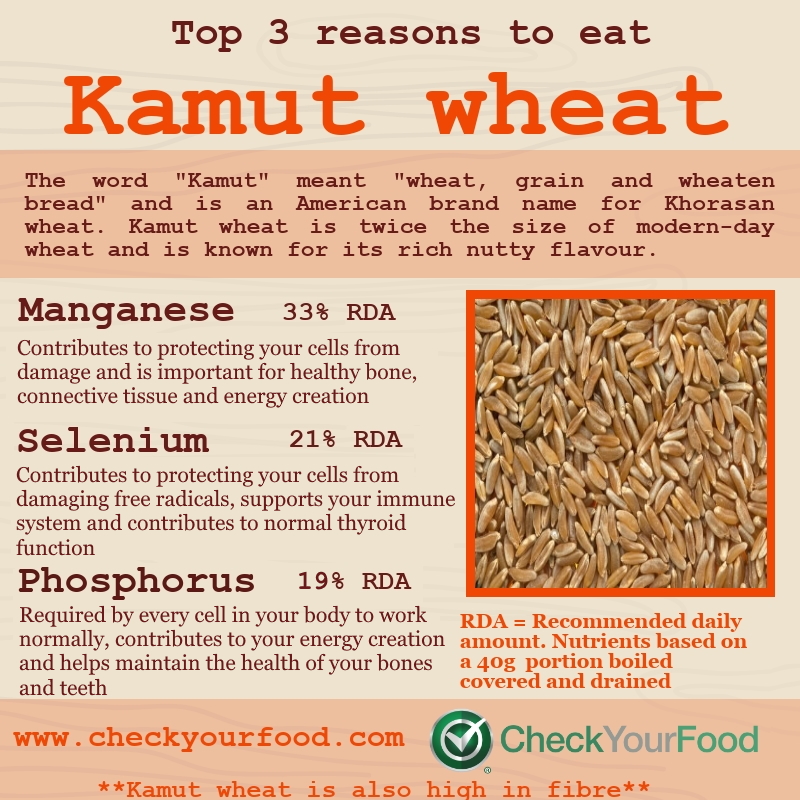
What is Kamut?
Kamut is a type of wheat that has gained popularity in recent years due to its high nutritional value and unique characteristics. Also known as Khorasan, it’s an ancient grain that’s been cultivated for thousands of years. However, its widespread use in modern baking is relatively new.
Understanding the Properties of Kamut
Kamut contains a higher amount of protein and fiber compared to other types of wheat, making it an excellent choice for those looking for a healthier option. The grain also has a lower glycemic index, which means it’s less likely to cause spikes in blood sugar levels. Additionally, Kamut is rich in minerals like iron, zinc, and selenium.
The Benefits of Using Kamut Flour
Kamut flour, made from the ancient grain, offers several benefits over traditional wheat flour:
- Easier digestion: The higher fiber content in Kamut makes it easier to digest for those with sensitive stomachs.
- Increased satiety: The protein and fiber combination helps keep you full for longer.
- Improved blood sugar control: The lower glycemic index reduces the risk of developing insulin resistance.
Using Kamut Flour in Baking
Kamut flour can be used in a variety of baked goods, including bread, pizza crusts, pasta, and even desserts. When substituting Kamut flour for traditional wheat flour, note that it has a coarser texture and nuttier flavor. To achieve the best results, experiment with different ratios of Kamut to other flours.
The Challenges of Growing Kamut
Kamut is a challenging crop to grow due to its high water requirements and sensitivity to disease. In Europe, where the climate is generally cooler and wetter than in North America or Canada, yields are lower compared to other types of wheat. This limits the availability of Kamut flour and makes it more expensive.
Conclusion
Kamut is a nutrient-rich grain that offers several benefits over traditional wheat. With its higher protein and fiber content, lower glycemic index, and unique flavor profile, Kamut flour is an excellent choice for those looking to upgrade their baked goods. While growing Kamut can be challenging due to its high water requirements and sensitivity to disease, the rewards of using this ancient grain make it well worth the effort.
Frequently Asked Questions
- What is the difference between Kamut and other types of wheat?
Kamut is a type of wheat that contains more protein and fiber than other grains. - Is Kamut flour suitable for those with gluten intolerance?
No, Kamut flour contains gluten and is not suitable for those with gluten intolerance or celiac disease. - Can I grow my own Kamut at home?
Yes, but it’s essential to understand the challenges of growing Kamut due to its high water requirements and sensitivity to disease. - What are some common uses for Kamut flour in baking?
Kamut flour can be used in bread, pizza crusts, pasta, and even desserts. - Is Kamut flour more expensive than other types of flour?
Yes, Kamut flour is generally more expensive due to its limited availability and higher production costs.
Nutritional Breakdown of Kamut
Kamut contains a variety of nutrients that make it an excellent choice for those looking to upgrade their diet. Here’s a breakdown of the nutritional content of Kamut:
- Protein: 14-15% (compared to 10-12% in traditional wheat)
- Fiber: 20-25% (compared to 2-3% in traditional wheat)
- Fat: 2-3% (compared to 1-2% in traditional wheat)
- Carbohydrates: 70-75% (compared to 80-85% in traditional wheat)
- Sodium: 0.5-1mg per serving
- Potassium: 200-250mg per serving
- Iron: 10-15mg per serving
- Zinc: 3-4mg per serving
- Selenium: 20-25mcg per serving
Health Benefits of Kamut
Kamut has been shown to have several health benefits due to its high nutritional content. Here are some of the most significant benefits:
- Improved digestion: The higher fiber content in Kamut makes it easier to digest for those with sensitive stomachs.
- Increased satiety: The protein and fiber combination helps keep you full for longer.
- Improved blood sugar control: The lower glycemic index reduces the risk of developing insulin resistance.
- Reduced inflammation: The antioxidants in Kamut have anti-inflammatory properties that can help reduce inflammation in the body.
- Improved heart health: The potassium content in Kamut can help lower blood pressure and reduce the risk of heart disease.
How to Choose the Right Kamut Flour
Choosing the right Kamut flour can be overwhelming due to the various types available. Here are some tips to help you choose the best Kamut flour for your needs:
- Look for high-quality sources: Choose a reputable brand that sources its Kamut from sustainable and organic farms.
- Check the protein content: Look for flours with higher protein content (14-15%) for better baking results.
- Consider the fiber content: Flours with higher fiber content (20-25%) are better suited for those looking for easier digestion.
Tips for Baking with Kamut Flour
Baking with Kamut flour requires some experimentation due to its coarser texture and nuttier flavor. Here are some tips to help you achieve the best results:
- Use a combination of flours: Blending Kamut flour with other types of flour (such as wheat or spelt) can help achieve a better texture and flavor.
- Adjust the liquid content: Kamut flour absorbs more liquid than traditional wheat flour, so adjust your recipe accordingly to avoid dryness.
- Use a higher ratio of eggs: Eggs can help bind ingredients together in baked goods made with Kamut flour. Use a higher ratio of eggs (2-3 times) for better results.
Conclusion
Kamut is a nutrient-rich grain that offers several benefits over traditional wheat. With its higher protein and fiber content, lower glycemic index, and unique flavor profile, Kamut flour is an excellent choice for those looking to upgrade their baked goods. While growing Kamut can be challenging due to its high water requirements and sensitivity to disease, the rewards of using this ancient grain make it well worth the effort. By choosing the right Kamut flour and following tips for baking with Kamut flour, you can unlock the secrets of this nutritious grain and enjoy healthier, more delicious baked goods.


