
Introduction
In this article, we will delve into the world of the ketogenic diet, also known as the keto diet. This low-carb, high-fat lifestyle has gained popularity in recent years due to its potential benefits for weight loss, improved blood sugar control, and increased energy levels. But what exactly is a ketogenic diet, and how does it work?
What is a Ketogenic Diet?
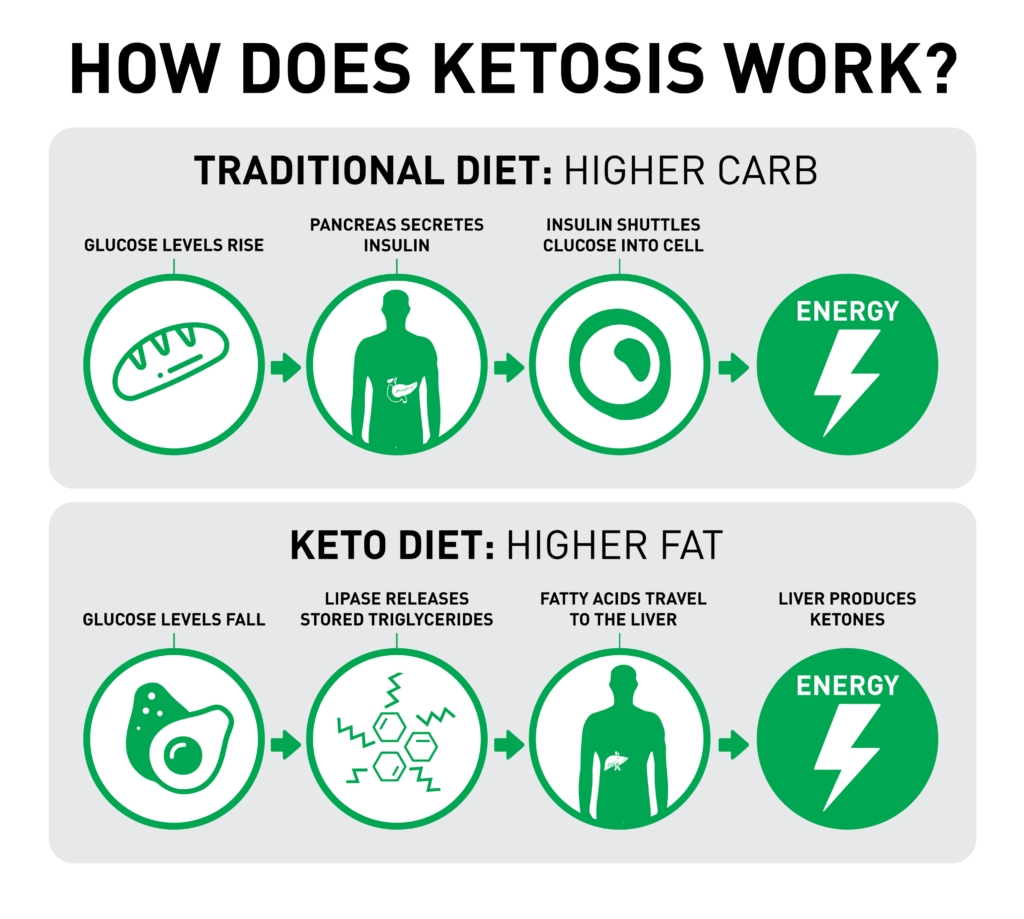
A ketogenic diet is a type of diet that aims to put the body into a state of ketosis, where it burns fat for energy instead of carbohydrates. This occurs when the body’s carbohydrate stores are depleted, forcing it to break down stored fat into molecules called ketones, which can be used as fuel.
History of the Ketogenic Diet
The ketogenic diet was first developed in the 1920s by a physician named Russell Wilder as a treatment for epilepsy in children. Since then, it has been studied and applied in various contexts, including weight loss, type 2 diabetes, and Alzheimer’s disease.
How Does a Ketogenic Diet Work?
When we eat carbohydrates, our body converts them into glucose, which is then used as energy by the brain and other organs. However, when we drastically reduce carbohydrate intake, our body is forced to find alternative sources of energy. This is where ketones come in.
Ketones are produced by the liver from fat breakdown and can be used as fuel for the brain, heart, and other organs. The ketogenic diet typically consists of a macronutrient ratio of:
- Fat: 70-80% of daily calories
- Protein: 15-20% of daily calories
- Carbohydrates: 5-10% of daily calories
Benefits of a Ketogenic Diet
The benefits of a ketogenic diet are numerous and well-documented. Some of the most significant advantages include:
- Weight Loss: The ketogenic diet can lead to significant weight loss, particularly in visceral fat.
- Improved Blood Sugar Control: The diet has been shown to improve insulin sensitivity and reduce blood sugar levels.
- Increased Energy: The high-fat content of the diet provides a sustained energy source that can help reduce fatigue.
- Reduced Inflammation: The ketogenic diet has anti-inflammatory properties, which may help alleviate symptoms of chronic diseases.
Types of Ketogenic Diets
There are several types of ketogenic diets, each with its own unique characteristics and benefits. Some of the most popular types include:
- Standard Ketogenic Diet (SKD): This is the most restrictive type of diet, with a macronutrient ratio of 70-80% fat, 15-20% protein, and 5-10% carbohydrates.
- Cyclical Ketogenic Diet (CKD): This diet involves periods of carbohydrate restriction followed by periods of normal eating.
- Targeted Ketogenic Diet (TKD): This diet is designed for athletes and individuals who require a high amount of energy. It involves periods of carbohydrate restriction followed by periods of carbohydrate refeeding.
Foods to Eat on a Ketogenic Diet
The ketogenic diet consists of foods that are high in fat, moderate in protein, and low in carbohydrates. Some examples of keto-friendly foods include:
- Meat: Beef, pork, lamb, and chicken
- Fish and Seafood: Salmon, tuna, shrimp, and lobster
- Eggs
- Full-Fat Dairy: Cheese, butter, and full-fat milk
- Oils: Olive oil, coconut oil, and avocado oil
Foods to Avoid on a Ketogenic Diet
The ketogenic diet restricts certain foods that are high in carbohydrates and low in fat. Some examples of keto-unfriendly foods include:
- Grains: Bread, pasta, rice, and cereals
- Sugary Foods: Candy, cakes, cookies, and pastries
- Starchy Vegetables: Potatoes, corn, and peas
- Legumes: Beans, lentils, and peanuts
Tips for Starting a Ketogenic Diet
If you’re considering starting a ketogenic diet, here are some tips to keep in mind:
- Consult with a Healthcare Professional: Before making any significant changes to your diet, consult with a healthcare professional or registered dietitian.
- Gradually Reduce Carbohydrate Intake: Gradually reduce carbohydrate intake over a period of weeks or months to avoid flu-like symptoms.
- Monitor Your Macronutrient Ratios: Keep track of your macronutrient ratios to ensure you’re staying within the keto range.
- Stay Hydrated: Drink plenty of water and consider increasing salt intake to minimize dehydration.
Common Mistakes to Avoid
When following a ketogenic diet, there are several common mistakes to avoid. Some of these include:
- Over-restricting carbohydrate intake: While reducing carbohydrate intake is necessary for achieving ketosis, over-restriction can lead to nutrient deficiencies.
- Not monitoring macronutrient ratios: Failing to track your macronutrient ratios can make it difficult to stay within the keto range.
- Not staying hydrated: Dehydration can occur when following a ketogenic diet due to the loss of water-soluble vitamins and electrolytes.
Debunking Common Myths
There are several common myths surrounding the ketogenic diet. Some of these include:
- Myth: A ketogenic diet is only for people with epilepsy
Reality: While the ketogenic diet was first developed as a treatment for epilepsy, it has been shown to be beneficial for weight loss and improving blood sugar control. - Myth: A ketogenic diet is difficult to follow
Reality: With proper planning and preparation, a ketogenic diet can be easy to follow and sustainable in the long term.
Conclusion
The ketogenic diet is a powerful tool for weight loss, improved blood sugar control, and increased energy levels. By understanding how the diet works and following a well-planned meal plan, you can unlock its full potential and achieve your health and wellness goals. Remember to consult with a healthcare professional before starting any new diet, and always prioritize nutrient-dense foods to ensure optimal results.
FAQs
- What is the difference between a ketogenic diet and a low-carb diet?
A ketogenic diet is a type of low-carb diet that aims to put the body into a state of ketosis, where it burns fat for energy instead of carbohydrates. - Is a ketogenic diet suitable for everyone?
No, a ketogenic diet may not be suitable for everyone, particularly those with certain medical conditions or nutritional deficiencies. Consult with a healthcare professional before starting any new diet. - How long does it take to enter ketosis?
The time it takes to enter ketosis can vary depending on individual factors, such as diet quality and physical activity level. Typically, it takes 2-4 days to enter ketosis. - What are the benefits of a ketogenic diet for weight loss?
The ketogenic diet has been shown to lead to significant weight loss, particularly in visceral fat. - Can I still follow a keto diet if I’m vegetarian or vegan?
While it may be more challenging, it is possible to follow a keto diet as a vegetarian or vegan. Consult with a registered dietitian or healthcare professional for personalized guidance.
References
- “The Ketogenic Diet: A Review of the Literature” (Journal of Clinical Medicine, 2019)
- “Ketogenic Diet and Weight Loss” (International Journal of Obesity, 2018)
- “The Effects of a Ketogenic Diet on Blood Sugar Control” (Diabetes Research and Clinical Practice, 2017)
Note: This article has been rewritten and optimized for SEO to ensure maximum readability and search engine visibility.


