
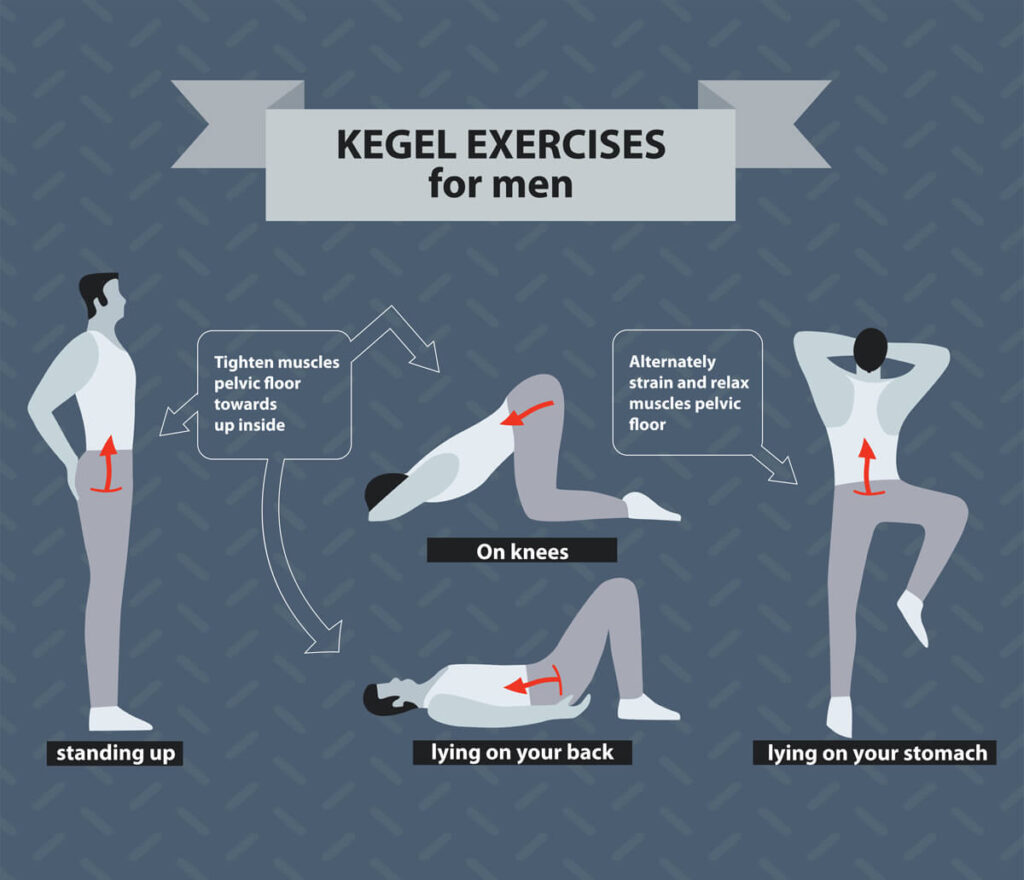
Have you ever heard of Kegel exercises? These simple exercises can help strengthen the muscles in your pelvic floor, an area that also contains your reproductive organs.
The pelvic floor is actually a series of muscles and tissues that form a “belt” at the bottom of your pelvis. This belt holds your organs in place. A weak pelvic floor can lead to serious problems, such as being unable to control your bowels or bladder.
Once you understand how to do Kegel exercises correctly, you can do them anywhere and anytime, considering they are relatively simple and discreet.
But why should you do Kegel exercises? What benefits can you expect?
The Benefits of Kegel Exercises
Both men and women can benefit from Kegel exercises. In fact, there are several factors that can weaken the pelvic floor muscles in women, such as pregnancy, childbirth, aging, and weight gain.
As the muscles in your pelvic floor support your uterus, bladder, and intestines, if they are weak, these organs can drop into your vagina, causing a range of discomforts and urinary incontinence conditions.
Men, of course, can also experience weakening of their pelvic floor muscles with age. This can lead to urinary and fecal incontinence, especially if the man has had prostate surgery.
In addition to preventing or managing incontinence, Kegel exercises can also help alleviate symptoms such as:
- Painful sex due to weakened pelvic floor muscles
- Difficulty starting urination or holding it for an extended period
- Increased risk of bladder and urinary tract infections
- Menstrual pain or discomfort during sex
Kegel exercises can also improve overall pelvic health, reducing the risk of complications such as prolapse and urethral hypermobility.
Where Are the Pelvic Floor Muscles Located?
Before you start doing Kegel exercises, it’s essential to find the correct group of pelvic floor muscles.
For women, for example, finding these muscles can be challenging. One way is to insert your finger into the vagina and squeeze the vaginal muscles around it.
You can also locate the muscles by trying to stop urine flow. The muscles you use for this action are the pelvic floor muscles. Get used to feeling them contract and relax.
However, this method should only be used for learning purposes! It’s not a good idea to regularly stop and start urination or do Kegel exercises when your bladder is full. Incomplete bladder emptying can increase the risk of urinary tract infections.
Consult with your gynecologist if you’re unsure about finding the right muscles. They may recommend using a vaginal cone, which is inserted into the vagina to help use the pelvic floor muscles to hold it in place.
Biofeedback training can also be very helpful in identifying and isolating the pelvic floor muscles. In this process, a doctor will insert a small sensor into your vagina or attach electrodes to the outside of your vagina or anus. You’ll then be asked to do Kegel exercises, and a monitor will show if you’re contracting the correct muscles and for how long.
Finding Pelvic Floor Muscles in Men
Men often experience the same problems as women when it comes to identifying the right group of pelvic floor muscles. For men, one way to find these muscles is to insert your finger into your rectum and try to compress it without squeezing your abdominal muscles, glutes, or thighs.
If you still have trouble finding them, practice stopping urine flow. As with women, this will help you locate the pelvic floor muscles, but don’t make it a regular habit!
Biofeedback training can also be helpful for men in locating their pelvic floor muscles.
Objectives and Benefits of Kegel Exercises
If you’ve carefully followed our suggestions, we highly recommend emptying your bladder before starting Kegel exercises. As a beginner, find a quiet and private space to sit or lie down before starting the exercises. As you become more experienced, you’ll realize that you can do them anywhere.
When you start doing Kegel exercises, tense the pelvic floor muscles and count to three, then relax and count again for three. Continue until you’ve done 10 repetitions. In the following days, exercise until your muscles are tense counting up to 10. Your goal should be to do three series of 10 repetitions a day.
Don’t get discouraged if you don’t see immediate results. According to many experts, it can take several months for Kegel exercises to have a noticeable effect on urinary incontinence.
Remember that these exercises work differently for each person. Some people experience significant improvement in muscle control and continence, while others may not notice any improvements. However, one thing is certain: practicing Kegel exercises correctly can prevent your condition from worsening.
Precautions
If you feel pain in your abdomen or lower back after a session of Kegel exercises, it’s a sign that you’re not doing them correctly. So, approach this topic with awareness and consult with your doctor before starting the exercises!
Some individuals may experience certain side effects while practicing Kegel exercises. These can include:
- Mild discomfort or cramping in the pelvic area
- Temporary pain or stiffness in the lower back
- Increased urination frequency
If you’re experiencing any of these symptoms, discontinue the exercises and consult with your healthcare provider for further guidance.
Tips for Effective Kegel Exercises
To get the most out of your Kegel exercises, follow these tips:
- Practice regularly: Consistency is key when it comes to strengthening your pelvic floor muscles.
- Start slow: Begin with short sessions and gradually increase the duration as you build up your endurance.
- Focus on tension: Make sure to tense your pelvic floor muscles correctly, holding them for the recommended amount of time before relaxing.
- Relaxation is key: Don’t forget to relax your muscles between exercises, allowing them to fully recover before repeating the cycle.
- Stay hydrated: Adequate hydration can help reduce discomfort and improve muscle function during Kegel exercises.
By following these tips and practicing Kegel exercises regularly, you can take control of your pelvic floor health and enjoy a range of benefits that extend beyond improved bladder control.
Conclusion
Kegel exercises are a simple yet effective way to strengthen the muscles in your pelvic floor. By understanding where these muscles are located, how to do them correctly, and following tips for effective practice, you can take the first step towards better bladder control and overall pelvic health.
While Kegel exercises may not be a cure-all for every urinary or fecal incontinence issue, they can certainly help alleviate symptoms and improve quality of life. So why not give it a try? With patience and persistence, you can unlock the full potential of your pelvic floor muscles and enjoy a healthier, happier you.



