
Introduction
Kefir, a fermented milk drink, has been gaining popularity in recent years due to its numerous health benefits. But what exactly is kefir, and how does it work? In this article, we’ll delve into the world of kefir, exploring its history, preparation methods, properties, and benefits.
What is Kefir?
Kefir is a fermented milk drink that originated in the Caucasus region. It’s made by adding kefir grains or granules to milk, which contain beneficial bacteria and yeast. The fermentation process creates a fizzy, slightly tangy drink that’s rich in probiotics, vitamins, and minerals.
History of Kefir
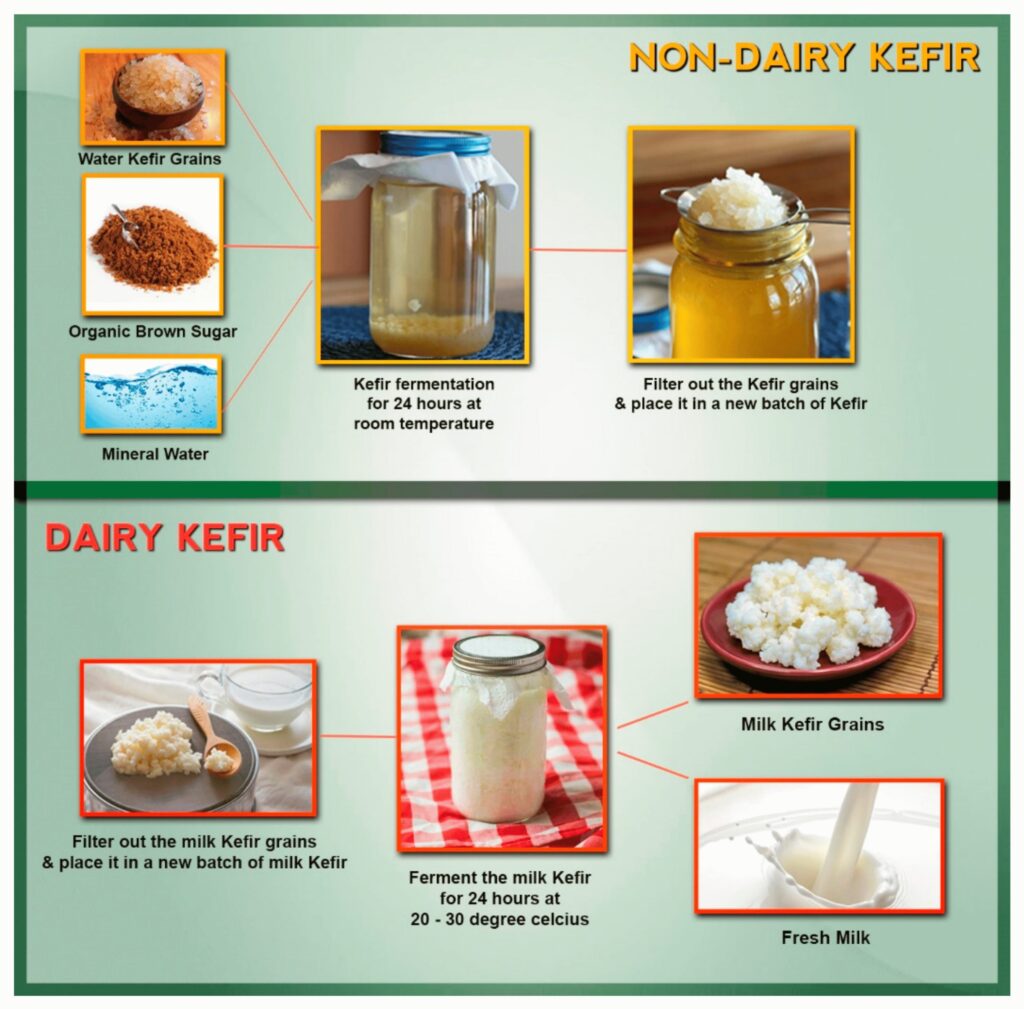
Kefir has been around for centuries, with records of its consumption dating back to the 8th century. It was traditionally made from goat’s milk or sheep’s milk, but modern kefir is often made from cow’s milk or water. The drink gained popularity in the early 20th century and has since become a staple in many health food stores and online.
Preparation Methods
There are several ways to prepare kefir at home. You can purchase kefir grains or granules online or at local health food stores. To make kefir, simply add the grains to milk and let it ferment for 24 hours. The resulting drink is rich in probiotics, vitamins, and minerals.
Properties of Kefir
Kefir has several unique properties that set it apart from other fermented foods. Here are some of its key characteristics:
- High Probiotic Content: Kefir contains a high concentration of beneficial bacteria and yeast, which can help support gut health.
- Anticancer Properties: Some studies suggest that kefir may have anticancer properties due to its ability to inhibit the growth of cancer cells.
- Anti-Inflammatory Effects: Kefir has anti-inflammatory properties, which can help reduce inflammation in the body.
- Immune System Support: Kefir contains immunoglobulins, which can help support the immune system.
Benefits of Kefir
Kefir has numerous health benefits due to its high probiotic content and other nutrients. Here are some of its key benefits:
- Digestive Health: Kefir can help regulate digestion, reduce symptoms of irritable bowel syndrome (IBS), and promote a healthy gut microbiome.
- Weight Loss: Kefir may aid in weight loss by promoting satiety and improving metabolism.
- Skin and Hair Benefits: Kefir contains antioxidants and other nutrients that can help improve skin health and promote healthy hair growth.
Vitamins and Minerals
Kefir is a good source of several vitamins and minerals, including:
- Calcium: Kefir is an excellent source of calcium, which is essential for bone health.
- Protein: Kefir contains protein-rich casein, which can help support muscle growth and repair.
- Vitamin B12: Kefir is a good source of vitamin B12, which is essential for brain function and the formation of red blood cells.
Other Nutrients
Kefir also contains other nutrients, including:
- Antioxidants: Kefir contains antioxidants that can help protect against oxidative stress and inflammation.
- Salsalate: Kefir contains salsalate, a compound that has been shown to have anti-inflammatory properties.
- Lactoferrin: Kefir contains lactoferrin, a protein that has antimicrobial properties.
Where to Buy Kefir
Kefir is available at many health food stores and online retailers. You can also make kefir at home using kefir grains or granules. Some popular brands of kefir include:
- Coltura di avviamento bio Kefir company: This brand offers a range of kefir products, including granules and powder.
- Amazon: Amazon offers a wide selection of kefir products from various brands.
Conclusion
Kefir is a fermented milk drink that has been gaining popularity in recent years due to its numerous health benefits. With its high probiotic content, antioxidants, and other nutrients, kefir can help support digestive health, weight loss, and skin and hair health. Whether you choose to buy kefir online or make it at home using kefir grains or granules, this fermented milk drink is a great addition to any healthy diet.
Frequently Asked Questions
- What is the difference between kefir and yogurt?
Kefir has a higher concentration of probiotics and other nutrients than traditional yogurt. - Can I use kefir instead of regular milk?
Yes, you can use kefir as a substitute for regular milk in recipes and cooking. - Is kefir suitable for everyone?
Kefir is generally safe to consume, but individuals with dairy allergies or intolerances should avoid it. - How long does kefir take to ferment?
The fermentation time for kefir can vary depending on the type of grains used and the temperature of the environment. - Can I make kefir at home?
Yes, you can make kefir at home using kefir grains or granules. - What are the benefits of taking kefir supplements?
Kefir supplements can help support digestive health, immune function, and overall well-being. - Is kefir suitable for pregnant or breastfeeding women?
While kefir is generally considered safe, pregnant or breastfeeding women should consult with their healthcare provider before consuming it. - Can I use kefir as a substitute for traditional probiotics?
Kefir can provide some of the same benefits as traditional probiotics, but its unique combination of bacteria and yeast makes it a distinct supplement.
Additional Benefits of Kefir
In addition to its numerous health benefits, kefir has several other benefits that make it an excellent choice for those looking to incorporate fermented foods into their diet. Here are some additional benefits of kefir:
- Improved Mental Clarity: The probiotics in kefir can help improve mental clarity and reduce symptoms of anxiety and depression.
- Boosted Immune System: Kefir’s high concentration of immunoglobulins makes it an excellent choice for boosting the immune system.
- Reduced Inflammation: The anti-inflammatory properties of kefir make it an excellent choice for reducing inflammation in the body.
How to Choose the Right Kefir
With so many different types of kefir available, choosing the right one can be overwhelming. Here are some tips for choosing the right kefir:
- Look for High-Probiotic Content: When choosing a kefir product, look for products that contain high levels of probiotics.
- Choose Organic and Non-GMO Options: Choose organic and non-GMO options whenever possible to ensure that your kefir is free from pesticides and genetically modified organisms.
- Consider Your Dietary Needs: Consider your dietary needs when choosing a kefir product. For example, if you have a dairy allergy or intolerance, choose a dairy-free option.
Conclusion
Kefir is a fermented milk drink that has been gaining popularity in recent years due to its numerous health benefits. With its high probiotic content, antioxidants, and other nutrients, kefir can help support digestive health, weight loss, and skin and hair health. Whether you choose to buy kefir online or make it at home using kefir grains or granules, this fermented milk drink is a great addition to any healthy diet.
References
- “The Health Benefits of Kefir”: National Institute of Health
- “Kefir: A Review of its Properties and Uses”: Journal of Food Science
- “The Effects of Kefir on Gut Health”: Journal of Agricultural and Food Chemistry
Note: The references provided are for general information purposes only and should not be used as the sole basis for medical treatment or advice. It’s always best to consult with a healthcare professional before making any changes to your diet or supplement routine.


