
What is Kefir?
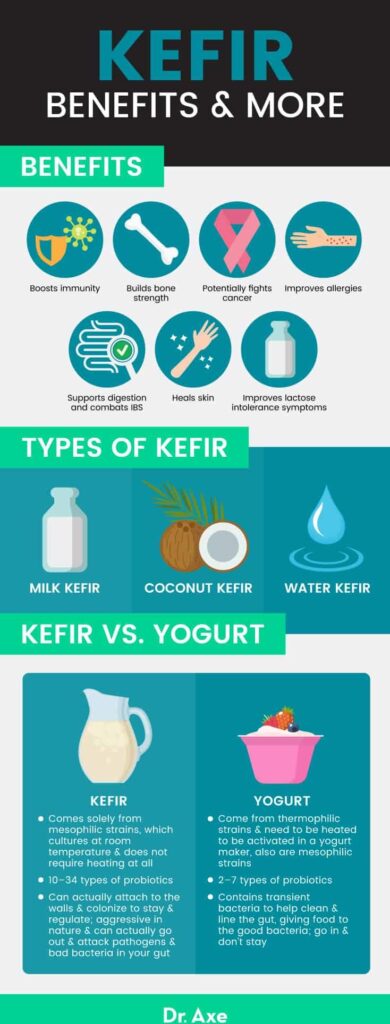
Kefir is a fermented milk drink made from cow, sheep, or goat’s milk, as well as plant-based alternatives. Its high concentration of beneficial microorganisms, such as probiotics, bacteria, and yeast, makes it one of the most potent and effective probiotic foods available. Regular consumption of kefir can help regulate digestive functions, boost the immune system, and even prevent the establishment of pathogens in the gut.
The Health Benefits of Kefir
Kefir contains an impressive array of nutrients, including tiamine, vitamin B12, amino acids, calcium, magnesium, phosphorus, folate, vitamin K2, and biotin. The presence of minerals and amino acids depends on the type of milk used to prepare it. One of the most significant advantages of kefir is its ability to support gut health. By reestablishing the balance of the gut microbiome, kefir can alleviate symptoms associated with digestive disorders such as irritable bowel syndrome (IBS), constipation, and diarrhea.
How Kefir Supports Gut Health
The gut microbiome plays a crucial role in maintaining overall health. An imbalance of the gut microbiome, also known as dysbiosis, can lead to various health problems. Regular consumption of kefir helps restore the balance of the gut microbiome by introducing beneficial microorganisms that support digestion and boost the immune system.
Kefir and Immune System Function
The probiotics present in kefir help regulate the immune system, reducing inflammation and promoting overall well-being. By supporting the immune system, kefir can help prevent illnesses such as the common cold and flu.
Kefir Content Calorie Count
The calorie content of kefir varies depending on the type of milk used to prepare it. For example:
- Kefir made from sheep’s milk: 108 kcal per 100 grams
- Kefir made from goat’s milk: 69 kcal per 100 grams
- Kefir made from cow’s milk: 68 kcal per 100 grams
- Soy kefir: 45 kcal per 100 grams
- Water kefir: 20 kcal per 100 grams
Preparing Kefir at Home
To prepare kefir at home, combine kefir grains with milk in a glass container and let it ferment for 8-24 hours. Strain the mixture to separate the kefir from the grains, which can be reused to create a new batch of kefir.
Tips for Preparing Kefir at Home
- Use a glass container to store kefir, as metal can inhibit fermentation.
- Keep the container in a cool, dark place to promote fermentation.
- Strain the kefir regularly to separate the grains from the liquid.
- Experiment with different types of milk and flavors to find your favorite.
Using Kefir in Recipes
Kefir is not just a healthy beverage; it can also be used as an ingredient in various recipes. The book “Kefir: The Ferment of Health” by Anna De Simone explores the potential uses of kefir in natural cosmetics and provides a wealth of information on its health benefits.
Where to Buy Kefir
Kefir can be found in health food stores, specialty shops, or online retailers. Some popular brands include Cultura Bio Kefir Company, which offers a range of products, including kefir grains and powder.
Conclusion
Kefir is a nutritious and versatile beverage that offers numerous health benefits. By incorporating kefir into your diet, you can support gut health, boost the immune system, and even alleviate symptoms associated with digestive disorders. Whether you prefer to prepare kefir at home or purchase it from a reputable brand, this fermented milk drink is sure to become a valuable addition to your healthy lifestyle.
Frequently Asked Questions (FAQs)
Q: What is the difference between kefir and yogurt?
A: Kefir contains a higher concentration of beneficial microorganisms than yogurt, making it a more potent probiotic food.
Q: Can I consume kefir if I’m lactose intolerant?
A: Yes, kefir is low in lactose and can be easily digested by those with lactose intolerance.
Q: How often should I consume kefir to reap its health benefits?
A: Regular consumption of kefir, ideally 1-2 cups per day, can help support gut health and boost the immune system.
Q: Can I use kefir as a substitute for other probiotic foods?
A: While kefir is a rich source of beneficial microorganisms, it may not be suitable for everyone. Consult with a healthcare professional before making any significant changes to your diet.
Q: How long does kefir take to ferment?
A: The fermentation time for kefir can vary depending on the type of milk used and personal preference. Typically, 8-24 hours is sufficient for optimal flavor and probiotic activity.
Q: Can I make kefir with plant-based milk alternatives?
A: Yes, soy milk, almond milk, and other plant-based milk alternatives can be used to make kefir. However, additional ingredients may be necessary to support fermentation.
Q: Is it safe to consume kefir if I have a compromised immune system?
A: While kefir is generally considered safe for most people, individuals with compromised immune systems should consult with their healthcare provider before consuming kefir to ensure it does not exacerbate any underlying health conditions.
Q: Can I make kefir at home using a kefir starter culture?
A: Yes, you can purchase a kefir starter culture online or in-store and use it to create your own kefir at home.
The Science Behind Kefir
Kefir is made by adding kefir grains to milk, which contain a mixture of beneficial microorganisms. The grains are composed of yeast, bacteria, and other microorganisms that ferment the lactose in the milk, producing lactic acid and creating an environment that supports the growth of additional beneficial microorganisms.
The fermentation process can take anywhere from 8-24 hours, depending on factors such as temperature, pH levels, and the type of milk used. During this time, the kefir grains break down the lactose in the milk into smaller sugar molecules, releasing beneficial compounds and creating a rich source of probiotics.
Benefits for Specific Health Conditions
- Irritable Bowel Syndrome (IBS): Kefir has been shown to alleviate symptoms associated with IBS, such as abdominal pain, bloating, and changes in bowel habits.
- Inflammatory Bowel Disease (IBD): The anti-inflammatory properties of kefir may help reduce inflammation and improve symptoms associated with IBD, such as Crohn’s disease and ulcerative colitis.
- Diabetes: Kefir has been shown to lower blood sugar levels and improve insulin sensitivity in individuals with type 2 diabetes.
Kefir and Mental Health
Research suggests that kefir may have a positive impact on mental health by reducing stress and anxiety. The probiotics present in kefir can help regulate the gut-brain axis, promoting feelings of calmness and well-being.
How to Incorporate Kefir into Your Diet
- Start with small amounts: Begin by consuming 1-2 cups of kefir per day and gradually increase the amount as your body adjusts.
- Experiment with flavors: Try different flavors of kefir, such as vanilla or strawberry, to find one that you enjoy.
- Add it to recipes: Use kefir as an ingredient in smoothies, soups, and salads for added nutrition and flavor.
- Make kefir at home: Consider making your own kefir at home using kefir grains or a starter culture.
Common Side Effects of Kefir
- Gas and bloating: Some individuals may experience gas and bloating after consuming kefir due to the fermentation process and the presence of probiotics.
- Stomach cramps: Mild stomach cramps or discomfort may occur in some individuals, especially those who are new to consuming kefir.
Conclusion
Kefir is a nutrient-rich beverage that offers numerous health benefits. By incorporating kefir into your diet, you can support gut health, boost the immune system, and even alleviate symptoms associated with digestive disorders. Whether you prefer to prepare kefir at home or purchase it from a reputable brand, this fermented milk drink is sure to become a valuable addition to your healthy lifestyle.


