
In the ancient practice of Ayurvedic medicine, the concept of doshas plays a crucial role in understanding an individual’s unique energetic makeup. In this article, we will delve into the world of Kapha dosha, exploring its characteristics, nutritional implications, and how to maintain balance.
What is Kapha Dosha?
In Ayurvedic terms, Kapha is described as a tranquil, strong, and affectionate element. As the dosha associated with earth and water, it is responsible for structure and cohesion. When in harmony, Kapha ensures optimal vitality, physical strength, and spiritual balance.
Characteristics of Kapha Dosha
A well-balanced Kapha individual possesses:
- Strength and vitality
- Calmness and stability
- A strong sense of self
On the other hand, an imbalance in Kapha can manifest as:
- Weight gain or stiffness
- Emotional turmoil (e.g., anxiety, depression)
- Poor digestion
- Increased risk of chronic diseases
Factors Contributing to Imbalance
Several factors can disrupt the equilibrium of Kapha dosha, including:
- Chronic stress
- Fear of rejection or criticism
- Dependence on others
- Overindulgence in sweet, sour, salty, and fatty foods
- Prolonged exposure to cold, humid environments
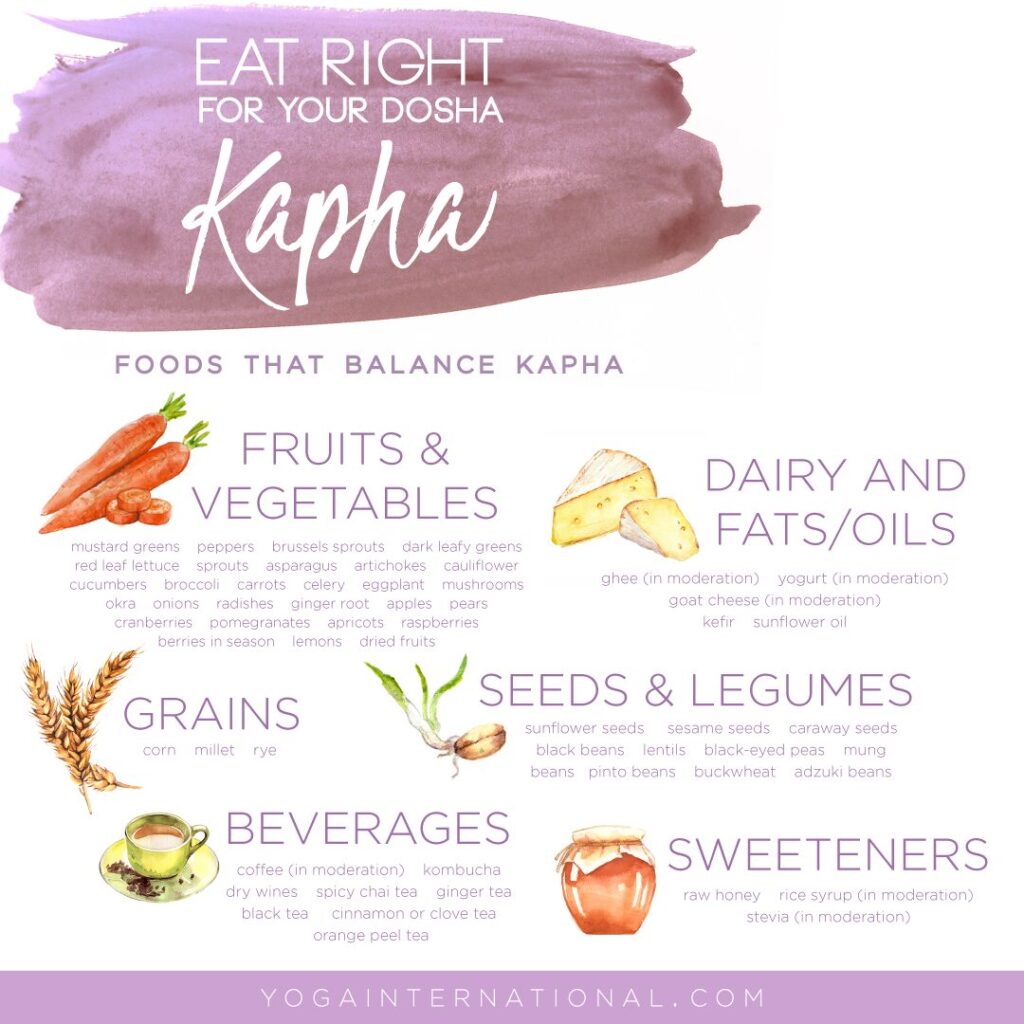
Kapha Dosha and Nutrition
A Kapha individual requires a diet rich in fiber and low in fat and sugar. The preferred flavors are spicy, bitter, and astringent. Avoiding processed and high-carb foods is also essential.
Recommended Foods:
- Whole grains (oats, barley, quinoa, brown rice)
- Vegetables (leafy greens, broccoli, cauliflower)
- Fruits (apples, apricots, cranberries)
- Lean proteins (chicken, turkey, fish)
Foods to Limit or Avoid:
- Sugary foods
- Acidic and salty foods
- Heavy, greasy, or fried foods
- Dairy products (except for small amounts of yogurt)
- Refined carbohydrates
Understanding the Kapha Personality
Individuals with a predominantly Kapha constitution tend to be:
- Calm, gentle, and tranquil
- Strong-willed and determined
- Loyal and committed to their relationships
- Creative and artistic
- May struggle with emotional regulation
Kapha Dosha in Different Stages of Life
As individuals progress through different stages of life, their Kapha dosha can shift. For example:
- Childhood: Kapha is often dominant in children, leading to a strong appetite and tendency towards overeating.
- Adolescence: As hormones surge during adolescence, Kapha may become more prominent, causing emotional ups and downs.
- Adulthood: A well-balanced Kapha individual will maintain their strength and vitality, while those with an imbalance may experience weight gain or stiffness.
- Old Age: In older age, Kapha may become less dominant, leading to a decline in physical strength and vitality.
Tips for Maintaining Balance
To keep Kapha dosha in balance, follow these guidelines:
- Practice stress-reducing techniques (e.g., meditation, yoga)
- Engage in regular physical activity
- Eat a balanced diet rich in whole foods and avoid processed snacks
- Incorporate natural remedies like herbs and essential oils
Kapha Dosha and Relationships
Individuals with a predominantly Kapha constitution tend to form deep, emotional connections with others. They value loyalty, commitment, and stability in their relationships.
To maintain healthy relationships as a Kapha individual:
- Practice open communication
- Set boundaries respectfully
- Cultivate empathy and understanding
- Prioritize quality time together
Common Health Issues Associated with Kapha Dosha
Individuals with an imbalance of Kapha dosha may be more prone to chronic health issues, including:
- Obesity or weight gain
- Respiratory problems (e.g., asthma, bronchitis)
- Digestive issues (e.g., constipation, bloating)
- Emotional disorders (e.g., anxiety, depression)
Conclusion
In conclusion, understanding Kapha dosha is crucial for achieving optimal health and well-being. By recognizing the characteristics of this dosha and making informed dietary choices, you can maintain balance and prevent imbalances.
Frequently Asked Questions (FAQs)
- What are the primary causes of imbalance in Kapha dosha?
- Chronic stress, fear, dependence on others, overindulgence in sweet, sour, salty, and fatty foods, and prolonged exposure to cold, humid environments.
- Which foods should I avoid as a Kapha individual?
- Sugary foods, acidic and salty foods, heavy, greasy, or fried foods, dairy products (except for small amounts of yogurt), and refined carbohydrates.
- What are the recommended flavors for a Kapha diet?
- Spicy, bitter, and astringent flavors.
- How can I maintain balance in my Kapha dosha?
- Practice stress-reducing techniques (e.g., meditation, yoga), engage in regular physical activity, eat a balanced diet rich in whole foods, and avoid processed snacks.
- Can I still enjoy sweet treats as a Kapha individual?
- Moderation is key; consider healthier alternatives like fruit or dark chocolate.
- Are there any herbal remedies that can help balance Kapha dosha?
- Certain herbs like ginger, turmeric, and cinnamon may be beneficial, but consult with an Ayurvedic practitioner before using them.
- How often should I eat to maintain digestive health as a Kapha individual?
- Eating smaller, more frequent meals can help stimulate digestion and prevent bloating.
- Can I still indulge in social gatherings or parties as a Kapha individual?
- Be mindful of portion sizes and choose healthier options when possible; it’s okay to indulge occasionally, but prioritize balance.
By incorporating these tips and guidelines into your daily life, you can maintain harmony with your Kapha dosha and enjoy optimal health and well-being.


