
Introduction
The kakapo is a parrot that defies conventions. As the world’s only flightless parrot, it has adapted to life on the ground, and its unique characteristics have made it a fascinating species to study. But the kakapo is more than just a peculiar bird – it’s also one of the longest-lived birds in the world, with some individuals living up to 60 years in the wild.
What Does “Kakapo” Mean?
In the Maori language, “kakapo” literally means “night parrot.” This name refers to the bird’s nocturnal habits and its striking appearance. The kakapo is a member of the Strigops Gray genus and is found only in New Zealand.
Physical Characteristics
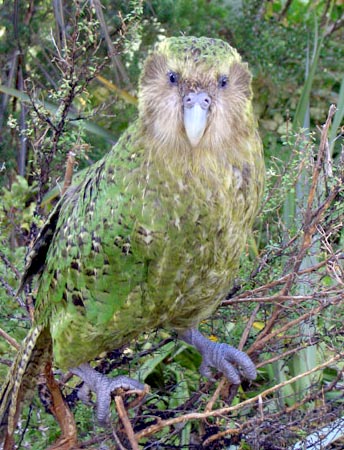
The kakapo is easily recognizable by its distinctive plumage, which features bright yellow and green feathers. Its beak is large and gray, while its legs are short and stumpy. The bird’s wings are vestigial, meaning they are non-functional and have reduced muscles. This lack of flight has led to the development of a robust body shape, with strong legs and feet.
The kakapo’s unique physical characteristics make it well-suited for its environment. Its large beak allows it to eat tough plant material, while its stumpy legs provide stability and support. The bird’s feathers are also specially adapted to help regulate its body temperature in the cool New Zealand climate.
The Kakapo’s Unique Reproductive System
One of the most interesting aspects of the kakapo is its reproductive system. Unlike other parrots, which engage in complex courtship behaviors, the kakapo uses a unique system called “lek.” This involves groups of males gathering in designated areas, or “lek sites,” where they display their brightly colored feathers and call to attract females.
The use of lek by the kakapo is thought to have evolved as a way to reduce competition among males for mating opportunities. By allowing multiple males to gather at specific locations, the system helps to ensure that each female has access to several potential mates, increasing the chances of successful reproduction.
Conservation Status
The kakapo is listed as Endangered on the IUCN Red List. Its population has been declining due to habitat loss, predation by introduced species such as rats and cats, and other human activities. Conservation efforts are underway to protect the kakapo and its habitat, but the bird remains vulnerable to extinction.
Habitat destruction and fragmentation have had a significant impact on kakapo populations. The destruction of native forests and the creation of agricultural lands have reduced the availability of food and shelter for the birds. Efforts to restore habitats and create corridors for connectivity are ongoing, but more work needs to be done to address this critical issue.
Historical Significance
The kakapo has a rich cultural significance in New Zealand, where it is considered an important part of Maori mythology. The bird was also highly valued by early European settlers, who hunted it for its meat and feathers. Today, efforts are being made to reintroduce the kakapo into its natural habitat, with the goal of establishing a sustainable population.
The kakapo’s historical significance extends beyond New Zealand’s borders. In the 19th century, the bird was introduced to the United States as an exotic species, where it became a popular curiosity among collectors and zoologists. However, the introduction of invasive predators such as rats and cats ultimately led to the decline of the wild population.
Interesting Facts
- The kakapo’s lifespan is among the longest of any bird species.
- The bird has poor eyesight but excellent hearing.
- Kakapos are herbivores and feed on native plants such as rimu berries.
- They have a unique way of communicating with each other using low-frequency calls.
- The kakapo is one of the rarest birds in the world, with only around 200 individuals remaining in the wild.
The Science Behind the Kakapo’s Longevity
The kakapo’s remarkable longevity has been the subject of extensive scientific study. Researchers have identified several factors that contribute to the bird’s long lifespan, including its slow metabolism and low levels of oxidative stress.
One key finding is that kakapos have a high level of telomere maintenance, which helps to protect their cells from damage caused by aging. Telomeres are repetitive DNA sequences that cap the ends of chromosomes, and maintaining them is essential for healthy aging.
The Role of Genetics in Kakapo Conservation
Genetics play a critical role in kakapo conservation efforts. By studying the genetic diversity of the population, researchers can identify individuals with desirable traits such as resistance to disease or improved fertility.
In addition, genetic testing has helped scientists understand the kakapo’s evolutionary history and relationships with other parrot species. This information is essential for developing effective conservation strategies that address the unique needs of this remarkable bird.
Conservation Efforts: Breeding Programs and Habitat Restoration
Breeding programs are a key component of kakapo conservation efforts. By breeding birds in captivity, researchers can increase the population size and genetic diversity of the wild population.
Habitat restoration is another critical aspect of conservation. Efforts to restore native forests and create corridors for connectivity are ongoing, with the goal of creating a more sustainable environment for the kakapo.
The Future of Kakapo Conservation
The future of kakapo conservation looks bright, thanks to the tireless efforts of researchers, conservationists, and community members. However, there is still much work to be done to ensure the long-term survival of this remarkable species.
As we look to the future, it’s clear that kakapo conservation will require a multifaceted approach that addresses habitat loss, invasive predators, and climate change. By working together, we can help protect this incredible bird and preserve its unique place in our natural world.
Conclusion
The kakapo is an extraordinary bird that continues to fascinate scientists and conservationists alike. Its unique characteristics, including its flightlessness and reproductive system, make it a valuable subject for study. However, the kakapo remains vulnerable to extinction due to human activities such as habitat loss and predation. Efforts are underway to protect this remarkable species and ensure its survival for generations to come.
Frequently Asked Questions
Q: Why is the kakapo flightless?
A: The kakapo’s lack of flight is thought to be an adaptation to its environment, where predators are abundant and flying would make it difficult to avoid them.
Q: How long does a kakapo live?
A: In the wild, kakapos can live up to 60 years. In captivity, they have been known to live into their 80s.
Q: What is unique about the kakapo’s reproductive system?
A: The kakapo uses a unique system called “lek” for courtship and mating, which involves groups of males displaying their brightly colored feathers and calling to attract females.
Q: Why are kakapos endangered?
A: Kakapos are threatened by habitat loss, predation by introduced species such as rats and cats, and other human activities.
Q: What conservation efforts are being made to protect the kakapo?
A: Conservationists are working to protect the kakapo’s natural habitat, monitor its population, and breed birds in captivity for reintroduction into the wild.
Q: Can I see a kakapo in person?
A: Due to their nocturnal habits and limited range, it is difficult to see a kakapo in person. However, you can learn more about these remarkable birds through conservation organizations and zoos.
Q: How can I help protect the kakapo?
A: You can support conservation efforts by donating to reputable organizations, spreading awareness about the kakapo’s plight, and reducing your impact on the environment.


