
As the world becomes increasingly interconnected, traveling across time zones has become a norm. However, with this convenience comes the risk of experiencing jet lag – a condition characterized by feelings of fatigue, confusion, and disorientation. In this article, we’ll delve into the causes of jet lag, its symptoms, and most importantly, explore natural remedies to help you overcome this common travel issue.
What is Jet Lag?
Jet lag, also known as mal de fuso or discronia, occurs when your body’s internal clock is disrupted due to traveling across multiple time zones. This disrupts the normal circadian rhythm, which is regulated by the production of melatonin. The term “disincronosi circadiana” accurately describes this phenomenon.
Symptoms of Jet Lag
The symptoms of jet lag are widespread and can be quite debilitating. They include:
- Fatigue and lethargy
- Confusion and disorientation
- Difficulty concentrating and focusing
- Insomnia and sleep disturbances
- Headaches and migraines
- Nausea and stomach upset
- Emotional instability and mood swings
These symptoms can vary in severity, but it’s essential to address them promptly to minimize their impact on your travel experience.
Causes of Jet Lag
Jet lag is caused by the disruption of our body’s natural circadian rhythm. This occurs when we travel across multiple time zones, causing our internal clock to become desynchronized. The primary cause of jet lag is the lack of sleep and the disturbance of our normal sleep-wake cycle. Other factors that contribute to jet lag include:
- Traveling during peak hours (e.g., late nights or early mornings)
- Consuming caffeine, nicotine, and other stimulants
- Exposure to bright lights and loud noises
- Poor air quality and cabin pressure
Natural Remedies for Jet Lag
Fortunately, there are several natural remedies that can help alleviate the symptoms of jet lag. Some of these include:
1. Melatonin
Melatonin is a hormone produced by the pineal gland that regulates our sleep-wake cycle. Taking melatonin supplements or consuming foods rich in melatonin (such as cherries and walnuts) can help regulate your internal clock.
2. Passiflora
Passiflora, also known as passionflower, is an herbal remedy that has been used for centuries to treat anxiety, insomnia, and restlessness. It’s often taken as a tea or supplement to promote relaxation and reduce jet lag symptoms.
3. Oils and Aromatherapy
Essential oils like lavender and orange blossom oil have natural sedative properties that can help you relax and reduce stress. You can use a diffuser, apply topical oils, or inhale them directly from the bottle.
4. Hydration
Staying hydrated is crucial when traveling across time zones. Drink plenty of water, and consider increasing your intake during flights to minimize jet lag symptoms.
5. Dietary Adjustments
Eat light, balanced meals that are easy to digest. Avoid heavy, greasy foods that can exacerbate fatigue and discomfort.
Tips for Minimizing Jet Lag
Here are some additional tips to help you minimize the effects of jet lag:
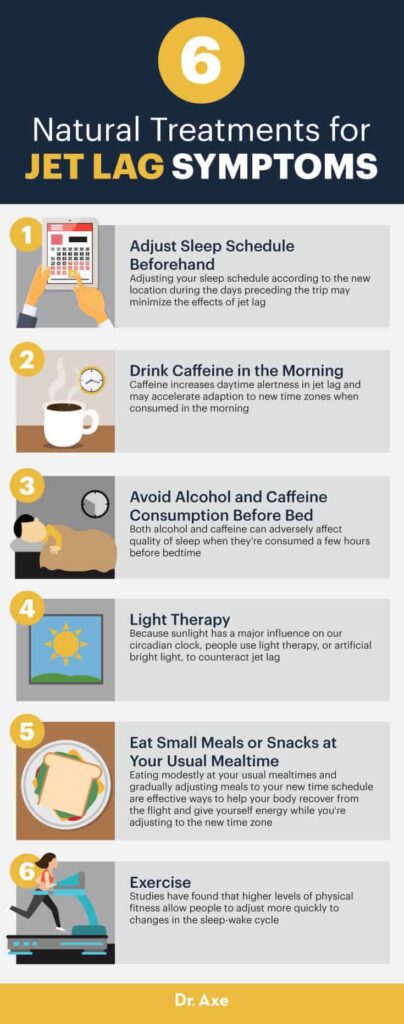
- Anticipate your travel schedule by adjusting your sleep patterns a few days before departure
- Stay hydrated during flights by drinking plenty of water
- Avoid caffeine, nicotine, and other stimulants that can disrupt your internal clock
- Use light therapy lamps or bright lights to simulate natural sunlight
- Engage in physical activity to reduce stress and promote relaxation
Timing Your Melatonin
When taking melatonin supplements, it’s essential to time them correctly. Take your first dose a few hours before bedtime, and then take additional doses as needed during the day. However, be cautious not to overdo it, as excessive melatonin consumption can lead to drowsiness and other adverse effects.
Using Essential Oils
Essential oils like lavender and chamomile have been shown to promote relaxation and reduce stress. You can use a diffuser or apply topical oils directly to your skin to reap their benefits. When using essential oils, always dilute them with a carrier oil and consult with a healthcare professional if you have any pre-existing medical conditions.
Dietary Strategies
When traveling across time zones, it’s crucial to eat foods that are easy to digest. Avoid heavy, greasy foods like pizza and burgers, and opt for light, balanced meals instead. Incorporate foods rich in omega-3 fatty acids, such as salmon and walnuts, which can help reduce inflammation and promote relaxation.
Mindfulness and Meditation
Mindfulness and meditation can be powerful tools in reducing stress and promoting relaxation during travel. Take a few minutes each day to practice deep breathing exercises, meditation, or yoga to calm your mind and body.
Traveling with Kids
When traveling with kids, it’s essential to consider their unique needs and limitations. Encourage them to stay hydrated by drinking plenty of water, and provide them with healthy snacks and meals to minimize the risk of jet lag symptoms.
International Travel
When traveling internationally, be aware of local time zones and adjust your schedule accordingly. Avoid consuming caffeine and other stimulants during flights, and try to get some rest during layovers or downtime.
Pre-Flight Preparations
Before embarking on a long-haul flight, take steps to prepare your body for the journey. Drink plenty of water, avoid heavy meals, and engage in light physical activity to reduce stress and promote relaxation.
Post-Flight Recovery
After arriving at your destination, prioritize rest and recovery. Stay hydrated by drinking plenty of water, and try to get some sleep as soon as possible. Avoid engaging in strenuous activities or traveling immediately after arrival, and take time to acclimate to the new environment.
By understanding the causes and effects of jet lag, incorporating natural remedies into your travel routine, and following these expert tips, you’ll be well-equipped to handle even the most challenging time zones. Whether you’re a seasoned traveler or embarking on your first international trip, mastering jet lag is an essential skill for anyone looking to minimize the risks associated with traveling across time zones.
Frequently Asked Questions
- Q: What is the best way to minimize jet lag?
A: Anticipating your travel schedule, staying hydrated, avoiding stimulants, and using light therapy lamps can help reduce the effects of jet lag. - Q: Can melatonin supplements be taken during pregnancy?
A: Consult with a healthcare professional before taking melatonin supplements during pregnancy. - Q: How long does it take to recover from jet lag?
A: Recovery time varies depending on individual factors, but most people experience improvements within 24-48 hours. - Q: Are there any natural remedies that can help alleviate insomnia caused by jet lag?
A: Yes, try incorporating relaxation techniques like meditation, deep breathing exercises, or yoga to promote better sleep habits. - Q: Can I travel with melatonin supplements?
A: Consult with a healthcare professional before taking melatonin supplements while traveling internationally. - Q: What is the best way to stay hydrated during flights?
A: Drink plenty of water throughout your journey, and consider increasing your intake if you experience dehydration symptoms. - Q: Can I use essential oils on my skin while flying?
A: Consult with a healthcare professional before using essential oils on your skin during air travel.
By following these expert tips and incorporating natural remedies into your travel routine, you’ll be well-equipped to handle even the most challenging time zones. Whether you’re traveling for business or pleasure, mastering jet lag is an essential skill for anyone looking to minimize the risks associated with traveling across time zones.


