
Introduction
Topinambur, a tuberous vegetable native to North America, has been gaining popularity worldwide for its versatility and nutritional benefits. This article will delve into the world of topinambur, exploring its history, culinary uses, and potential health advantages.
What is Topinambur?
Topinambur, scientifically known as Helianthus tuberosus, belongs to the Asteraceae family. Its aerial parts produce large yellow flowers resembling daisies. The plant’s cultivation spans globally, both for ornamental purposes and food production. The edible tubers are a valuable source of nutrients and energy.
History of Topinambur
Topinambur has been used by indigenous communities in North America for centuries as a staple food source. Its tubers were also cultivated by early European settlers, who adopted the plant’s versatility and nutritional value. Today, topinambur is grown commercially in many parts of the world, with countries like China, India, and Brazil being significant producers.
Topinambur Recipes: Simple yet Delicious
Topinambur can be prepared in various ways, including baking, boiling, frying, and using it raw. Here are some simple recipes to get you started:
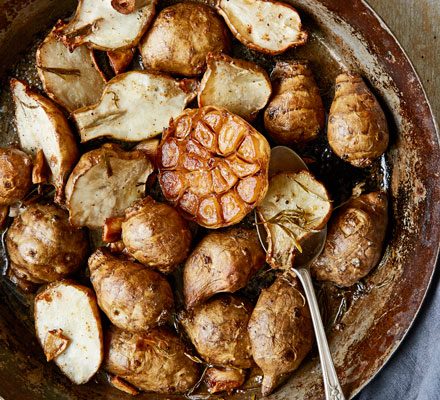
- Baked Topinambur: Slice the tuber thinly and bake it in the oven with olive oil, salt, and pepper.
- Topinambur Risotto: Boil the tuber until tender, then add it to a risotto made with Arborio rice, white wine, and vegetable broth.
- Fried Topinambur Chips: Slice the tuber into thin strips and fry them in hot oil until crispy.
The Benefits of Cooking Topinambur
Cooking topinambur can enhance its nutritional value. The process breaks down some of the complex carbohydrates into easily digestible sugars, making it a good option for people with diabetes or those following a low-carb diet. Additionally, cooking can help reduce the levels of inulin, a type of fiber that may cause flatulence.
Topinambur Crudo: A Fresh and Healthy Option
Raw topinambur can be enjoyed as a crudité or added to salads for its crunchy texture and mild flavor. To prepare it raw, simply wash and chop the tuber into thin strips, then serve with your favorite dips or sauces.
Nutritional Value of Topinambur
Topinambur is a nutrient-rich food that provides several essential vitamins and minerals. Its nutritional value can be summarized as follows:
- Carbohydrates: 17-20%
- Fiber: 2-3%
- Protein: 1-2%
- Fat: 0.5-1%
- Vitamin B1 (Thiamine): 10-15% of the daily recommended intake
- Iron, copper, zinc, magnesium, and potassium
Properties of Topinambur
Topinambur is a rich source of carbohydrates, vitamins, and minerals. Its tubers contain:
- Up to 17% inulin: A type of fiber that can help regulate blood sugar levels.
- High amounts of vitamin B1 (thiamine): Essential for energy production and nerve function.
- Iron, copper, zinc, magnesium, and potassium: Minerals that play a crucial role in various bodily functions.
Where to Buy Topinambur
Topinambur can be found at most supermarkets or purchased online through Amazon. Fresh topinambur tubers are typically available during the fall season, while canned or frozen options are available year-round.
Growing Topinambur: A Guide for Home Gardeners
If you’re interested in growing your own topinambur, here are some tips to get you started:
- Choose a sunny location with well-drained soil.
- Plant topinambur tubers in the fall or early spring, depending on your climate.
- Water regularly and maintain a temperature of 65-75°F (18-24°C).
- Harvest topinambur when the plants are mature, usually after 120-150 days.
Potential Health Benefits of Topinambur
Topinambur has been associated with several potential health benefits, including:
- Regulating blood sugar levels: The inulin content in topinambur can help slow down the absorption of glucose into the bloodstream.
- Supporting digestive health: Topinambur’s high fiber content can promote regular bowel movements and prevent constipation.
- Reducing inflammation: Topinambur contains anti-inflammatory compounds that may help reduce inflammation in the body.
Conclusion
Topinambur is a versatile and nutritious vegetable that can be incorporated into various dishes. Its unique properties make it an excellent option for people with diabetes, those following a low-carb diet, and individuals seeking to boost their overall health and well-being.
Frequently Asked Questions
- Q: Is topinambur safe to eat raw?
A: Yes, raw topinambur can be safely consumed as a crudité or added to salads. - Q: Can I substitute topinambur with potatoes in recipes?
A: While both tubers are delicious, they have different textures and flavors. Topinambur is often used in place of sweet potatoes due to its sweeter taste. - Q: How do I store topinambur after cooking?
A: Cooked topinambur can be refrigerated for up to 2 days or frozen for up to 6 months. - Q: Can I grow my own topinambur?
A: Yes, topinambur can be grown in a home garden with proper care and conditions. - Q: Are there any potential allergies associated with eating topinambur?
A: While rare, some individuals may experience allergic reactions to topinambur due to its high inulin content. - Q: Can I use topinambur as a substitute for corn in recipes?
A: No, topinambur has a distinct flavor and texture that makes it unsuitable for substituting corn in most recipes. - Q: How do I prepare topinambur for cooking?
A: Wash the tuber thoroughly, then peel or slice it into desired shapes before cooking. - Q: Can I use canned topinambur in recipes?
A: While canned topinambur can be a convenient option, it may not provide the same nutritional value as fresh or cooked tubers.
Remember to always handle and cook topinambur safely to avoid any potential health risks.


