
Introduction
The topinambur (Helianthus tuberosus) is a perennial herbaceous plant that has gained popularity for its nutritional benefits and versatility in cooking. Native to North America, this root vegetable has been cultivated for centuries, not only for its edible tubers but also as an ornamental plant.
History of Topinambur
The topinambur was first introduced to Europe by the early colonists from the New World. It has since naturalized in many parts of the continent, including Italy and other European countries with mild climates. This adaptability has made it a staple crop in many regions.
Characteristics of Topinambur
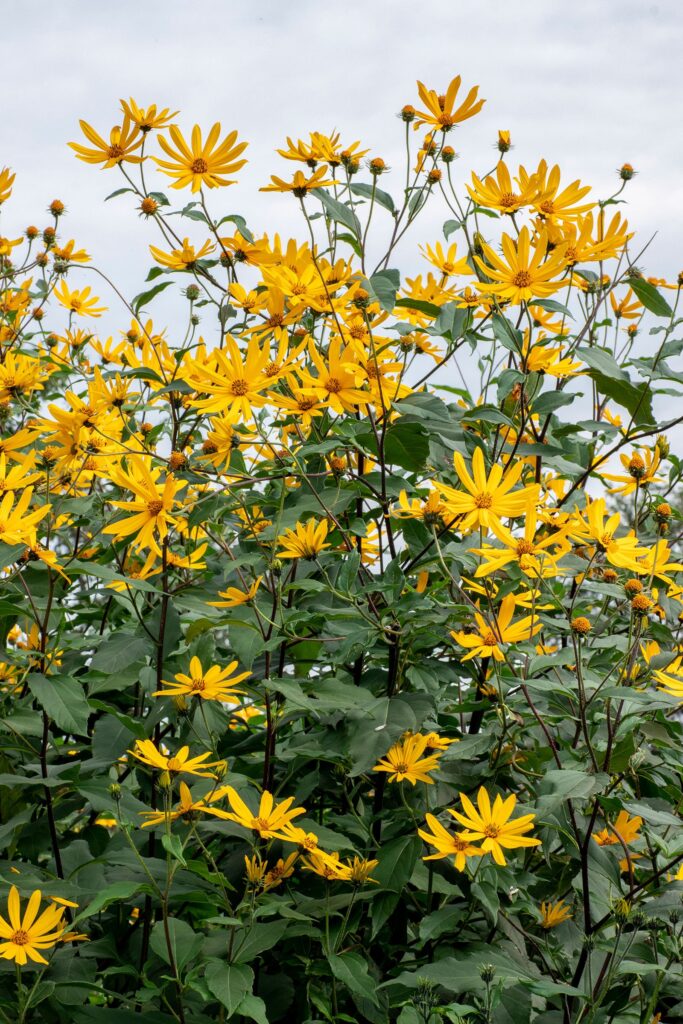
Topinambur is an herbaceous plant that grows spontaneously along waterways, fields, and other disturbed areas. It produces showy flowers and edible tubers, which are rich in nutrients like potassium, fiber, and various micronutrients.
Properties of Topinambur
The topinambur has been prized for its nutritional properties, particularly for individuals with type 2 diabetes, although the effectiveness is heavily influenced by temperature conditions during cultivation. This root vegetable is also a good source of other essential nutrients like tiamina, niacin, and phosphorus.
Edible Parts of Topinambur
The edible parts of topinambur include the tubers themselves, which have a flavor reminiscent of carrots. The plant’s roots are typically harvested in late summer or early fall, as they reach their peak maturity.
Growing and Harvesting Topinambur
Choosing the Right Location for Topinambur
When it comes to growing topinambur, select a secluded area of your garden, as this plant is quite aggressive. Choose a spot that receives full or partial sunlight, with well-draining soil and adequate moisture.
Best Time to Plant and Harvest Topinambur
Autumn is the ideal time to plant and harvest topinambur. As with any crop, timing is crucial for optimal yield. In temperate climates, topinambur typically reaches maturity in 120-150 days after planting.
Preparing for Cultivation
- Select healthy tubers: When choosing topinambur tubers, ensure they are disease-free.
- Cut tubers into smaller portions: Divide larger tubers into smaller pieces to promote rooting and germination.
- Plant tuber sections in well-draining soil: Interplant tuber sections at a depth of about 10 cm (4 inches), spacing them 20-25 cm apart.
Harvesting Topinambur
Topinambur can be harvested when the foliage is completely wilted and dry. Carefully dig up the entire plant, or use a fork to separate individual tubers. The harvest season typically lasts from late summer to early fall.
Care for Topinambur
Productivity and Pest Control
One acre of land planted with topinambur yields 16-20 tons of tubers per year. This root vegetable is easy to care for and naturally resists pests, but if infested, it can spread and negatively impact other plants.
Conservation
Unlike potatoes, topinambur tubers do not store well for extended periods (only 8-10 days). To preserve them, refrigeration is necessary. This short storage life highlights the importance of harvesting topinambur regularly to ensure optimal yields.
Availability of Topinambur
Topinambur tubers are widely available at local markets and online retailers. For example, on Amazon, you can purchase a kilogram of topinambur for approximately €5.24, including shipping costs. This accessibility makes it easier for home gardeners to incorporate this versatile root vegetable into their diet.
Nutritional Benefits
The nutritional profile of topinambur tubers is impressive, with each 100g serving providing:
- Fiber: 3-4 grams
- Potassium: 400-500 mg
- Tiamina (Vitamin B1): 0.25-0.30 mg
- Niacin: 2-3 mg
Topinambur also contains various minerals like iron, magnesium, and manganese.
Culinary Uses of Topinambur
The versatile topinambur tuber can be used in a variety of dishes, including:
- Boiled or steamed as a side dish
- Mashed or pureed with butter and milk for a creamy consistency
- Used in soups and stews for added flavor and nutrition
- Pickled or preserved in vinegar to create a tangy condiment
Medicinal Properties
Topinambur has been used in traditional medicine for centuries, particularly for its antibacterial and anti-inflammatory properties. The plant’s extracts have been shown to inhibit the growth of certain bacteria and fungi.
Cultivation Challenges
While topinambur is generally easy to care for, there are some challenges to consider:
- Pests: Topinambur can be susceptible to pests like aphids, caterpillars, and root maggots. Regular monitoring and organic pest control methods can help mitigate these issues.
- Diseases: Topinambur is prone to diseases like powdery mildew and fusarium wilt. Implementing good agricultural practices and using resistant varieties can help minimize the impact of these diseases.
Conclusion
The topinambur is a versatile and nutritious root vegetable that offers numerous benefits for home gardeners, cooks, and individuals with specific dietary needs. Its adaptability to various climates and soil types has made it an excellent crop for many regions. With proper care and handling, this remarkable plant can be cultivated successfully in backyard gardens worldwide.
By understanding the history, characteristics, growing conditions, harvesting techniques, and nutritional benefits of topinambur, gardeners and cooks can unlock its full potential and enjoy the rewards of cultivating this incredible root vegetable.


