
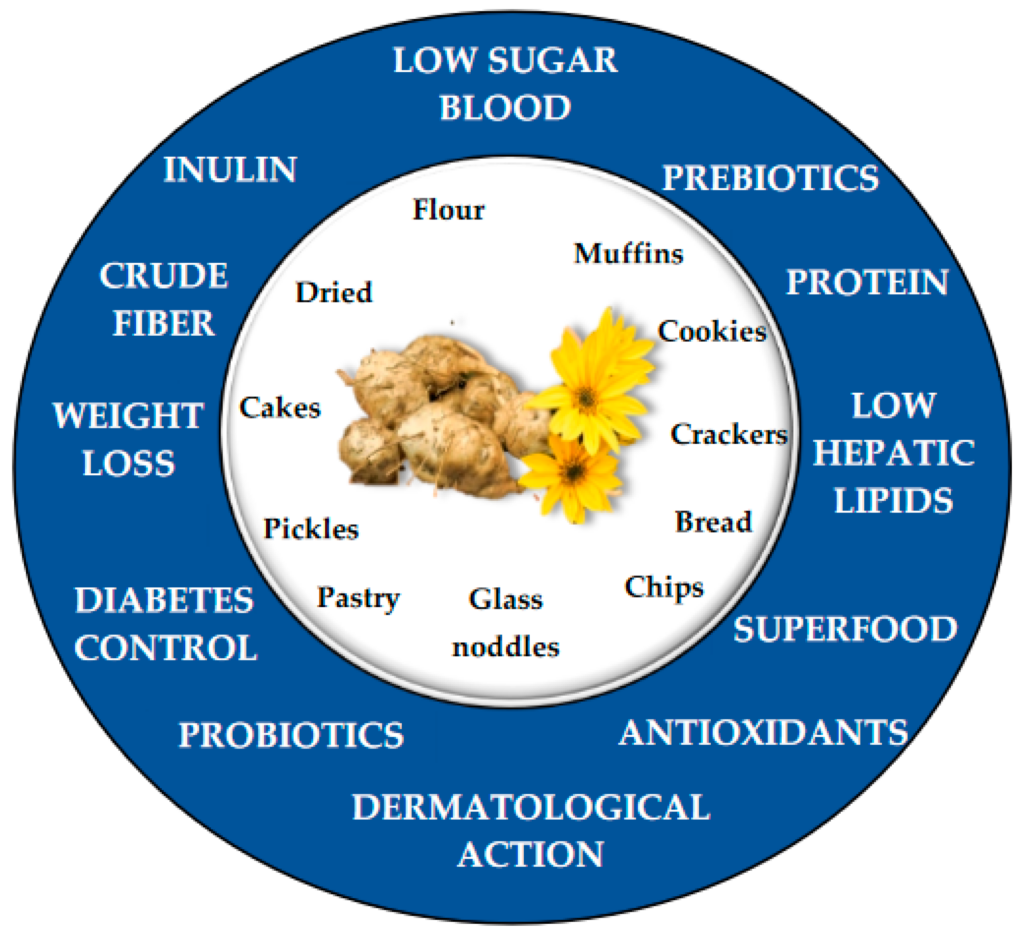
Are you ready to uncover the secrets of a plant that’s been hiding in plain sight? Look no further than the topinambur, a fascinating vegetable with a rich history and an array of benefits for our health and wellbeing.
What is Topinambur?
Topinambur, also known as rapa tedesca or Jerusalem carrot, is a plant belonging to the Asteraceae family. Its scientific name is Helianthus tuberosus L., 1753, derived from Greek words “helios” (sun) and “anthos” (flower), which describe its sun-loving nature.
A Plant of Many Names
Topinambur has been known by various names throughout history, including Elianto tuberoso, which refers to its tuberous roots. These different names have led to confusion about the plant’s identity, but it’s clear that topinambur is a unique and special specimen.
Origins of Topinambur
Native to North America, topinambur has been introduced to Europe and Asia, where it has become a popular ingredient in many cuisines. It thrives in areas with favorable climates, particularly near water sources, and can even be found growing wild in some regions.
The Marvelous Flower
Topinambur’s flower is a stunning sight to behold, with bright yellow petals that shine like gold in the sunlight. This beautiful bloom occurs between August and October, followed by a period of drought, after which new tubers emerge, ready to be harvested.
Properties and Benefits
The topinambur tuber is not only delicious but also packed with numerous health benefits. It contains inulin, a nutrient-rich molecule that helps reduce hunger and promote digestive health. Topinambur also has anti-inflammatory properties, making it an excellent choice for those suffering from high cholesterol or diabetes.
Nutritional Value
Topinambur is an excellent source of fiber, potassium, magnesium, iron, phosphorus, calcium, sodium, manganese, selenium, zinc, vitamin A, and various B vitamins. Its nutrient profile makes it a valuable addition to any diet, particularly for those looking to boost their energy levels.
Culinary Uses
Topinambur can be enjoyed in various ways, including raw or cooked. It’s perfect for adding to salads, making into purees, or even using as an ingredient in beauty treatments, such as foot soaks and hand masks. Topinambur can also be roasted, boiled, or steamed to bring out its natural sweetness.
Price and Availability
Topinambur is widely available in most supermarkets and health food stores. While it may not be the cheapest vegetable on the market, its numerous benefits make it a worthwhile investment for those looking to improve their overall wellbeing. Fresh topinambur can be found in many specialty grocery stores or farmers’ markets.
Growing Topinambur
Topinambur is relatively easy to grow in areas with favorable climates, particularly near water sources. It prefers well-drained soil and full sun to partial shade. To ensure optimal growth, plant the tubers in the fall or early spring, when the weather is cooler. Water regularly and fertilize lightly to promote healthy growth.
Harvesting Topinambur
Topinambur is ready to harvest when the new shoots emerge from the soil. Cut off the leaves just above the ground, leaving about an inch of stem intact. Harvest the tubers by carefully digging around them with a fork, taking care not to damage the roots.
Storing Topinambur
Fresh topinambur can be stored in the refrigerator for up to two weeks or frozen for several months. When freezing, blanch the tubers in boiling water for 2-3 minutes before freezing to preserve their texture and flavor.
Fermenting Topinambur
Topinambur can also be fermented to create a delicious and nutritious food product. Simply grate the tubers and mix with salt and water to create a brine solution. Ferment the mixture at room temperature for several days, then store in the refrigerator to slow down fermentation.
Conclusion
In conclusion, topinambur is a plant of wonder that deserves more attention from gardeners and cooks alike. With its rich history, stunning flower, and numerous health benefits, this incredible plant is sure to captivate anyone who discovers it. So go ahead, give topinambur a try, and experience the magic for yourself.
Frequently Asked Questions
- What is topinambur?
Topinambur is a type of vegetable belonging to the Asteraceae family, also known as rapa tedesca or Jerusalem carrot. - Where does topinambur come from?
Topinambur is native to North America but has been introduced to Europe and Asia, where it thrives in areas with favorable climates. - What are the health benefits of topinambur?
Topinambur contains inulin, a nutrient-rich molecule that helps reduce hunger and promote digestive health. It also has anti-inflammatory properties, making it an excellent choice for those suffering from high cholesterol or diabetes. - Is topinambur good for weight loss?
Yes, topinambur is an excellent source of fiber, which can help reduce hunger and promote feelings of fullness, making it a valuable addition to any weight loss diet. - Can I grow my own topinambur?
Topinambur is relatively easy to grow in areas with favorable climates, particularly near water sources. However, its specific growing requirements may vary depending on your location. - How do I prepare topinambur for cooking?
Topinambur can be enjoyed raw or cooked. It’s perfect for adding to salads, making into purees, or even using as an ingredient in beauty treatments, such as foot soaks and hand masks. - Is topinambur suitable for people with gluten intolerance?
Yes, topinambur is naturally gluten-free, making it a valuable addition to the diet of those with gluten intolerance. - Can I use topinambur as a natural remedy for beauty treatments?
Yes, topinambur’s tuber can be used in various beauty treatments, such as foot soaks and hand masks, due to its anti-inflammatory properties.
Tips and Variations
- Use topinambur instead of carrots or parsnips for a delicious twist on traditional root vegetables.
- Add topinambur to soups, stews, and casseroles for an extra boost of nutrition.
- Make topinambur hummus by blending cooked tubers with chickpeas, tahini, garlic, and lemon juice.
- Use topinambur puree as a base for vegan ice cream or frozen yogurt.
Conclusion
Topinambur is a plant that deserves more attention from gardeners and cooks alike. Its rich history, stunning flower, and numerous health benefits make it an incredible addition to any diet. Whether you’re looking to improve your overall wellbeing or simply want to try something new, topinambur is the perfect choice.


