
Introduction
In the heart of Sardinia, Italy, there exists a rare and unique horse breed known as the Cavallino della Giara. Also referred to as Acheta, Akkètta, or Cuaddeddu in local dialects, this majestic creature has origins deeply rooted in the island’s history. With its striking appearance and irascible personality, the Cavallino della Giara is a true marvel of nature.
Origins
To understand the characteristics of this remarkable breed, let us delve into their origins. Some experts believe that the Cavallino della Giara descended from African horses brought to Italy by Phoenician or Greek navigators around 500 BC. However, there is another theory suggesting that this breed was already present on Sardinia a millennium ago and was known and raised by the island’s ancient nuragic civilizations.
Physical Characteristics
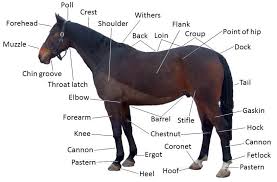
Now, let us focus on the physical characteristics of the Cavallino della Giara. This horse belongs to the mesomorph category, meaning it is not excessively large but not small either. Typically weighing between 170 and 220 kg, with a height at the garrese ranging from 1.28 to 1.32 meters for males and 1.25 to 1.27 meters for females.
Head Shape and Facial Features
The head shape of the Cavallino della Giara is quite distinctive, with a square appearance. Its eyes are particularly striking, having a slightly almond-shaped profile. The most notable feature, however, is its impressive criniera (mane), which features a prominent hair tuft that falls onto the neck.
Body Structure and Movement
In terms of body structure, the Cavallino della Giara has slender limbs compared to other horse breeds. Its legs are relatively short, with a slightly pointed hooves. While this may seem unusual at first glance, it provides excellent balance and agility.
Coat Color and Pattern
The coat color of the Cavallino della Giara is generally uniform, ranging from bay, chestnut, or gray to reddish-brown. It also features distinctive white markings on its legs, face, and belly.
Attitude and Behavior
One of the most notable characteristics of the Cavallino della Giara is their bold and independent nature. They are not suitable for novice horse riders and should only be handled by experienced professionals. Within their family groups, however, they demonstrate a strong sense of loyalty and protection towards each other.
Habitat and Distribution
Traditionally, the Cavallino della Giara was found throughout Sardinia. However, due to habitat loss and fragmentation, it is now confined to a single alpine region known as the Giara di Gesturi. Only approximately 1,000 individuals remain in this isolated area.
Conservation Efforts
Efforts have been made to conserve and protect the Cavallino della Giara population. The Sardinian Government has established protected areas and designated centers for their breeding and re-population. Additionally, guided tours can be arranged, offering visitors a unique opportunity to encounter these magnificent creatures in their natural habitat.
History of Human Interaction with the Cavallino della Giara
The relationship between humans and the Cavallino della Giara dates back thousands of years. Initially, they were raised for their meat, milk, and wool. Over time, however, they became an integral part of Sardinian culture and tradition. The breed was also used in agriculture and trade, playing a significant role in the island’s economic development.
Impact of Human Activities on the Cavallino della Giara
Unfortunately, human activities such as deforestation, mining, and tourism have had a profound impact on the Cavallino della Giara population. Habitat loss and fragmentation have led to a decline in their numbers, while increased tourism has put pressure on the breed’s natural habitat.
Modern-Day Challenges Facing the Cavallino della Giara
Today, conservationists face numerous challenges when it comes to protecting this unique breed. Climate change, for example, poses a significant threat to their habitat and way of life. Additionally, the increasing popularity of the Cavallino della Giara as a tourist attraction raises concerns about over-tourism and its impact on the local ecosystem.
Conservation Strategies
To address these challenges, conservationists have developed several strategies aimed at protecting the Cavallino della Giara population. These include:
- Protected areas: The Sardinian Government has established protected areas to safeguard the breed’s natural habitat.
- Breeding programs: Conservation efforts focus on breeding programs that prioritize genetic diversity and reproduction.
- Education and awareness: Educational campaigns aim to raise awareness about the importance of conservation and the challenges facing this unique breed.
Conclusion
In conclusion, the Cavallino della Giara is an extraordinary breed that embodies the essence of Sardinia’s unique culture and history. With its striking appearance, bold personality, and commitment to conservation efforts, it remains a beacon of hope for the protection of this rare and precious species.
Frequently Asked Questions
- Where is the Cavallino della Giara found?
The Cavallino della Giara is primarily located in the Giara di Gesturi alpine region of Sardinia, Italy. - What are the typical weights and heights of a Cavallino della Giara?
Typically weighing between 170 and 220 kg, with a height at the garrese ranging from 1.28 to 1.32 meters for males and 1.25 to 1.27 meters for females. - What is the coat color and pattern of the Cavallino della Giara?
The coat color ranges from bay, chestnut, or gray to reddish-brown, with distinctive white markings on its legs, face, and belly. - How many individuals remain in the population?
Approximately 1,000 Cavallini della Giara are believed to be remaining in their natural habitat. - What is the best time to see the Cavallino della Giara in its natural environment?
The best time to observe the Cavallini della Giara is during spring, when they are most active and visible in large numbers.
- How can I support the conservation of the Cavallino della Giara?
Supporting organizations dedicated to their conservation, such as breeding programs or habitat protection initiatives, is an excellent way to contribute to their preservation. - What are some common threats facing the Cavallino della Giara population?
Some common threats facing the Cavallino della Giara include habitat loss and fragmentation, climate change, and over-tourism.
-
Can I participate in guided tours or horse riding experiences with the Cavallino della Giara?
Yes, guided tours can be arranged to visit the Cavallini della Giara in their natural habitat, but visitors are expected to respect the horses’ space and follow guidelines set by local authorities. -
Are there any specific regulations regarding the breeding of Cavallini della Giara?
Yes, breeding programs for the Cavallino della Giara must adhere to strict regulations aimed at preserving genetic diversity and ensuring the breed’s long-term survival.
- What role can technology play in conserving the Cavallino della Giara population?
Technology, such as GPS tracking and camera traps, can be used to monitor the Cavallini della Giara’s habitat and behavior, helping conservationists identify areas for improvement and optimize their conservation efforts.


