
Introduction
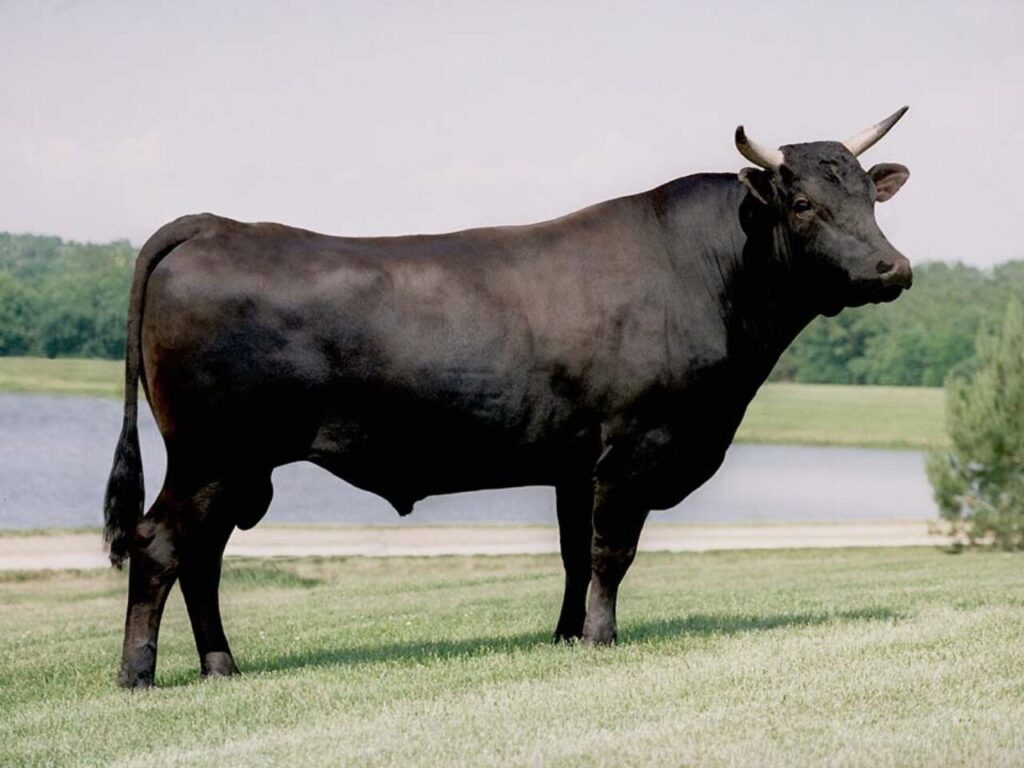
In recent years, Japanese Kobe beef has become increasingly popular around the world, and for good reason. This type of cattle is renowned for its exceptional quality, unique characteristics, and rich history. But what sets it apart from other types of beef? In this article, we’ll delve into the world of Japanese Kobe beef, exploring its origins, production methods, and why it’s considered one of the finest types of beef available.
What Makes Japanese Kobe Beef so Special?
Japanese Kobe beef is not just any ordinary cattle. To be labeled as “Kobe,” an animal must meet specific criteria, including being born in the Hyogo prefecture, where Kobe City is located. This region is known for its ideal climate and soil conditions, which contribute to the cattle’s exceptional quality.
One of the key factors that set Japanese Kobe beef apart from other types of beef is its unique marbling properties. The cattle are fed a specialized diet of grains, vegetables, and beer, which helps to create a high level of fat within their muscles. This fat is known as marbling, and it’s what gives Japanese Kobe beef its tender and flavorful texture.
The History of Japanese Kobe Beef
Kobe beef has been a prized delicacy in Japan for over 100 years, with records dating back to 1869 when it was first introduced to the Western world. The city of Kobe, located on the western coast of Honshu, has long been known for its high-quality cattle, which are raised and bred using traditional methods.
In the early days of Kobe beef production, there were no regulations or standards in place to ensure the quality of the cattle. However, as demand grew, so did the need for more stringent controls. In 1971, the Kobe Beef Marketing & Distribution Promotion Association was established to promote and protect the Kobe brand.
How is Japanese Kobe Beef Produced?
Japanese Kobe beef is produced through a strict process that ensures only the highest-quality animals are used. Cattle are born, raised, and slaughtered within the Hyogo prefecture to meet the exacting standards of the Kobe brand.
The production process begins with the selection of high-quality cattle from local breeders. These cattle are then fed a specialized diet of grains, vegetables, and beer, which helps to create their unique marbling properties. The cattle are also massaged daily to reduce stress and promote relaxation, which is believed to improve the tenderness and flavor of the meat.
The Science Behind Japanese Kobe Beef
So, what makes Japanese Kobe beef so special? It all comes down to the cattle’s diet and living conditions. The unique combination of grains, vegetables, and beer in their feed creates a unique type of fat that is not only delicious but also extremely tender.
Research has shown that the marbling properties of Japanese Kobe beef are due to the presence of certain fatty acids, such as oleic acid and linoleic acid. These fatty acids help to create a high level of tenderness and flavor in the meat, making it one of the most sought-after types of beef in the world.
Tajima Beef: A Subset of Japanese Kobe Beef
Not all Japanese Kobe beef comes from Tajima cattle, a specific breed of cow that originated in the Hyogo prefecture. However, only Tajima cows can be labeled as “Kobe beef.” The unique characteristics and production methods used for these animals make them truly exceptional.
Tajima beef is known for its intense marbling properties, which give it an almost velvety texture. This breed of cattle is also renowned for its rich flavor, which is said to be influenced by the region’s unique climate and soil conditions.
The Benefits of Eating Japanese Kobe Beef
So, what are the benefits of eating Japanese Kobe beef? Not only is it incredibly delicious, but it’s also packed with nutrients. It contains fewer calories and less fat than other types of beef, making it a healthier option for those looking to indulge in a premium cut of meat.
Japanese Kobe beef is also rich in protein, vitamins, and minerals, including iron, zinc, and B vitamins. This makes it an excellent choice for those looking to improve their overall health and wellbeing.
Conclusion
In conclusion, Japanese Kobe beef is an exceptional type of cattle that has been prized for over 100 years. Its unique characteristics, rich history, and strict production methods make it one of the finest types of beef available. Whether you’re a seasoned foodie or just looking to try something new, Japanese Kobe beef is definitely worth exploring.
Frequently Asked Questions
- Q: What makes Japanese Kobe beef so special?
A: The unique combination of grains, vegetables, and beer in their feed creates a unique type of fat that is not only delicious but also extremely tender. - Q: How is Japanese Kobe beef produced?
A: Cattle are born, raised, and slaughtered within the Hyogo prefecture to meet the exacting standards of the Kobe brand. - Q: What is the difference between Tajima beef and Japanese Kobe beef?
A: Only Tajima cows can be labeled as “Kobe beef,” but not all Japanese Kobe beef comes from Tajima cattle. - Q: Is Japanese Kobe beef healthier than other types of beef?
A: Yes, Japanese Kobe beef contains fewer calories and less fat than other types of beef. - Q: Where can I find Japanese Kobe beef?
A: Japanese Kobe beef is available in high-end restaurants and specialty stores around the world. - Q: How much does Japanese Kobe beef cost?
A: The price of Japanese Kobe beef can vary depending on the cut and quality, but it’s generally quite expensive. - Q: Is Japanese Kobe beef worth trying?
A: Absolutely! Japanese Kobe beef is a culinary experience like no other.
Additional Resources
If you’re interested in learning more about Japanese Kobe beef or would like to try some at home, be sure to check out our article on Wagyu beef and our list of top-rated restaurants serving Japanese Kobe beef.


