
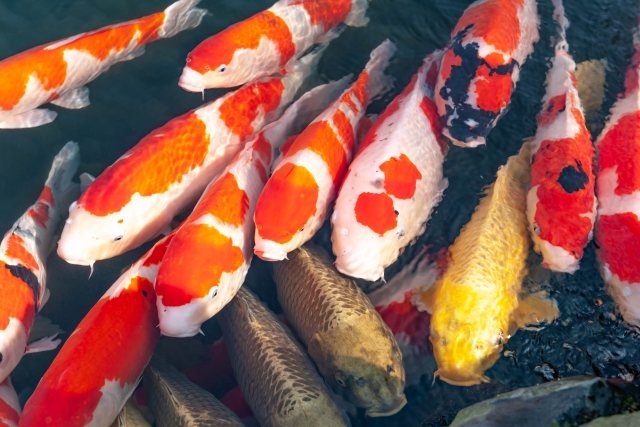
When we talk about Japanese fish, the first thing that comes to mind is the majestic Koi carp. These beautiful fish are not only a popular choice for home aquariums but also hold a special place in Japanese culture. In this article, we’ll delve into the history and care of these stunning creatures, providing readers with a comprehensive understanding of their needs and requirements.
A Brief History of Koi Carp
The story of Koi carp is as fascinating as their beauty. Contrary to popular belief, these fish are not indigenous to Japan. Instead, their roots date back to 20 million years ago in southern China. The association between Koi and Japan began when Japanese farmers started cultivating them for their aesthetic value.
In the early 19th century, rice farmers in Japan began breeding Koi with varying patterns and colors. This selective breeding led to the creation of unique varieties that captivated the attention of the entire prefecture. As a result, Koi carp spread throughout Japan, becoming an integral part of Japanese culture.
The Popularity of Koi Carp
Koi’s popularity soared when Emperor Hirohito started a Koi-breeding program in the moat of the Imperial Palace in 1914. This marked the beginning of their widespread acceptance and admiration in Japan.
In Japan, the term “Koi” refers to all types of carp, including wild ones. However, when we talk about the distinctive patterns and colors of these fish, we use the term “Nishikigoi.”
Getting Started with Koi Carp Breeding
Before introducing Koi to your pond, it’s essential to consider a few factors:
- Space: A minimum of 1 square meter per fish is recommended. For example, in a 3×6 meter pond, you can accommodate up to 18 Koi carp.
- Gradual Introduction: Introduce new Koi gradually to avoid stressing the existing fish.
- Pond Size and Filtration: The pond should have a capacity of at least 15 million liters and be equipped with proper filtration systems. Temperatures between 15-25 degrees Celsius are ideal for Koi.
Koi Carp Care and Maintenance
To keep your Koi happy and healthy, follow these guidelines:
- Maintain a Temperature Range: Keep the water temperature between 15-25°C (59-77°F) to ensure optimal growth and health.
- Perform Regular Water Changes: Change at least 10-20% of the pond water weekly to maintain a clean and healthy environment.
- Provide Hiding Places and Plants: Include plenty of hiding places, such as plants or structures, to reduce stress in your Koi.
- Avoid Sudden Changes: Minimize sudden changes in water chemistry to prevent stressing your Koi.
Conclusion
Koi carp are not only beautiful fish but also fascinating creatures with a rich history. By understanding their care and maintenance requirements, you can create a thriving environment for these amazing animals. Whether you’re a seasoned aquarist or just starting out, keep in mind that Koi are social creatures that thrive in the right conditions.
Frequently Asked Questions
- What is the Ideal Water Temperature for Koi Carp?
- Temperatures between 15-25 degrees Celsius (59-77°F) are optimal for Koi.
- How Often Should I Clean My Koi Pond?
- Regular water changes (about 10-20% every week) will help maintain a healthy environment for your Koi.
- Can I Keep Koi in Small Ponds?
- While it’s possible to keep Koi in smaller ponds, they require at least 1 square meter per fish for proper growth and health.
- How Often Should I Feed My Koi Carp?
- Feed your Koi 2-3 times a day, depending on their age and size.
- Can I Keep Koi with Other Types of Fish?
- Yes, but it’s recommended to keep them separate from aggressive or fin-nipping fish.
- How Long Do Koi Carp Typically Live?
- With proper care, Koi can live for up to 25-30 years in captivity.
- Can I Breed My Own Koi Carp?
- Yes, but it requires careful planning, patience, and knowledge of breeding techniques.
- Are Koi Carp Easy to Care For?
- While they’re generally hardy, Koi require regular maintenance and monitoring to thrive.
By following these guidelines and understanding the needs of your Koi carp, you can create a happy and healthy environment for these incredible animals. With patience, dedication, and proper care, you can enjoy the beauty and tranquility of these magnificent creatures in your own home or pond.


