
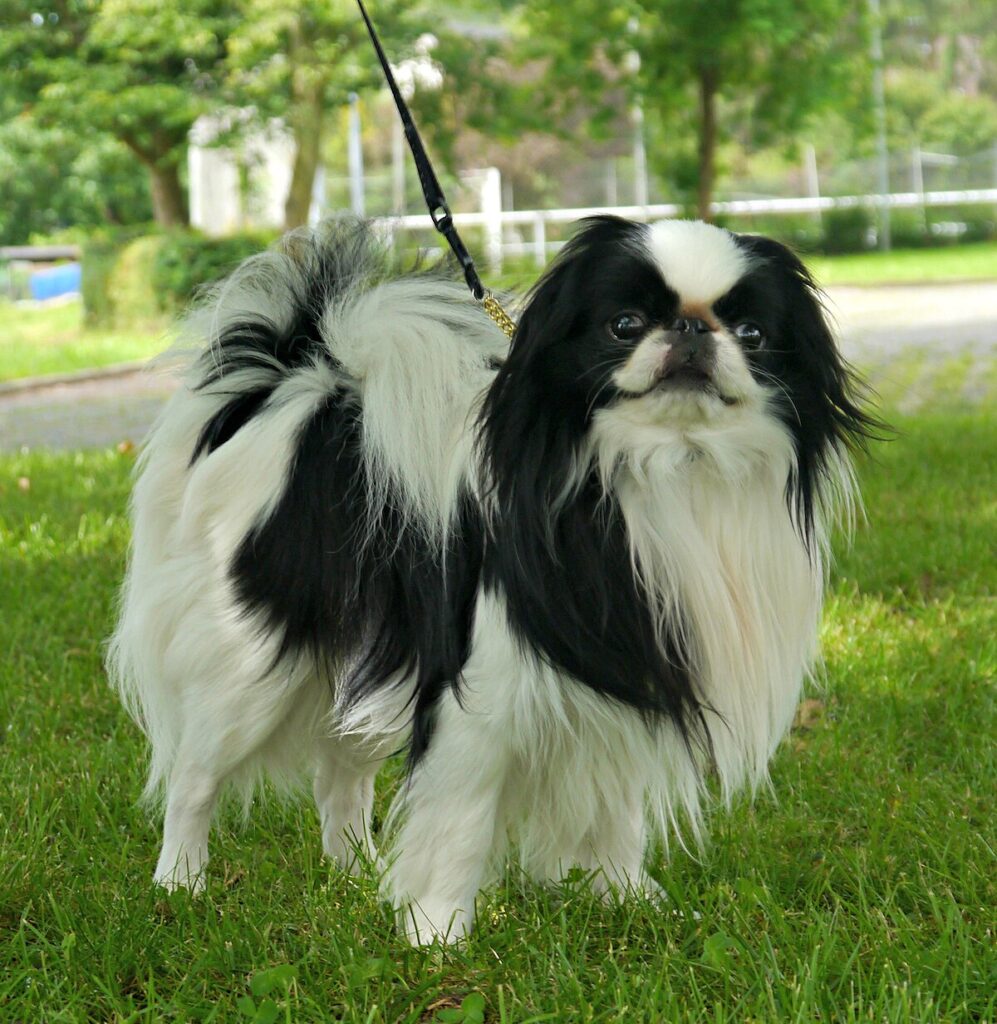
The Japanese Chin is a small but affectionate dog breed that has gained popularity in Europe and North America for centuries. Despite its tiny size, the Japanese Chin has won hearts with its elegant appearance, gentle nature, and playful personality.
Origins of the Japanese Chin
The ancestors of the Japanese Chin were introduced to Japan as gifts from Korean royalty in 732 AD. Over time, these dogs became a favorite among Japanese nobility, earning them the title of “sacred animal.” Their popularity spread beyond Japan’s borders, with wealthy Europeans adopting them as companions during the 17th century.
The Japanese Chin is often believed to be connected to the Pekingese through interbreeding with Tibetan dogs. However, this claim is not widely accepted, and the majority of experts agree that the Japanese Chin’s origin story revolves around its reception as a gift from Korean royalty.
A Brief History of the Breed
In the 17th century, European aristocrats began to take notice of the Japanese Chin’s charm and elegance. The breed soon became a favorite among royal courts, with Queen Victoria being particularly fond of them. In the late 19th century, the Japanese Chin was recognized as an official breed by the American Kennel Club (AKC).
Japanese Chin: Physical Characteristics
The Japanese Chin is an incredibly small dog, measuring 25cm (10in) in height and weighing approximately 5kg (11lbs). Its quadrangular body and elegant features make it a stunning sight. The breed boasts a wide, rounded head with a short, broad muzzle and a distinctive black nose. Large, dark eyes are set far apart, giving the dog an endearing and expressive appearance.
Long, hanging ears and a distinctive coat add to its charming features. The Japanese Chin’s coat is characterized by a unique blend of colors, including white, black, red, and orange. The fur can be long or short, depending on the individual dog. A distinguishing feature is the abundance of hair on the tail, which resembles a feathered pom-pom.
Japanese Chin: Coat Colors
The Japanese Chin’s coat colors are one of its most striking features. The breed comes in a variety of colors, including:
- White
- Black
- Red
- Orange
- Tan
The fur can be long or short, depending on the individual dog. Some dogs may have a white base coat with patches of color, while others may have a solid color.
Japanese Chin: Temperament
The Japanese Chin is renowned for its intelligence, docility, and affectionate nature. As a compact companion, it thrives in small living spaces and makes an excellent apartment dog. This breed excels as both family pet and show dog, thanks to its ease of handling and striking appearance.
Its playful demeanor ensures it will delight children, while its gentle side ensures harmony within the household. The Japanese Chin is generally quiet and calm, with a low-shedding coat that requires regular grooming.
The Japanese Chin’s Dance: A Unique Tradition
One fascinating aspect of Japanese Chin behavior is their “dance of the waves,” a fluid, intricate movement that showcases their agility. This captivating display allows the dog to show off its athleticism and poise. Originating as a way for the dogs to express joy or gratitude, this dance has captivated audiences worldwide.
Japanese Chin: Diet and Health
To maintain optimal health, it’s crucial to monitor the Japanese Chin’s diet and limit sugary treats that can disrupt their balance. Adequate exercise is also vital, with three meals a day recommended until six months of age. Fresh water should be constantly available to ensure the dog remains hydrated.
Common defects in the Japanese Chin include:
- Skeletal or muscular issues
- Eye problems
- Introverted personalities
Responsible breeders prioritize genetic testing and careful selection to minimize these risks.
Purchasing a Japanese Chin: Cost and Considerations
Acquiring a Japanese Chin can be expensive due to breed rarity and specific health concerns. The average cost of purchasing a pet-quality Japanese Chin can range from $1,000 to $3,000. Show-quality dogs can cost upwards of $5,000.
Some things to consider when buying a Japanese Chin include:
- Breeder reputation
- Health clearances for the parents
- Genetic testing for common defects
- Temperament and personality
Conclusion
The Japanese Chin is an extraordinary companion that captures hearts with its beauty, elegance, and playful nature. As a seasoned canine enthusiast shares the captivating story of this enigmatic breed, it becomes clear why the Japanese Chin has secured a cherished place in human history.
Frequently Asked Questions:
-
Q: How big does a Japanese Chin grow?
A: Japanese Chin dogs typically reach 25cm (10in) in height and weigh around 5kg (11lbs). -
Q: What are some common health issues with the Japanese Chin?
A: The most prevalent problems include skeletal or muscular defects, eye conditions, or introverted personalities. -
Q: Is it challenging to care for a Japanese Chin as a pet?
A: As small dogs require attention and exercise, they thrive in compact living spaces with short walks and regular interaction. -
Q: Are Japanese Chins suitable for families with young children?
A: Due to their gentle nature, the breed excels with children and adapts well to family life. -
Q: How often do I need to feed a Japanese Chin?
A: Three meals daily until six months old help support growth and prevent obesity. -
Q: Are Japanese Chins suitable for apartment living?
A: Given their small size, they can easily adapt to compact apartments with minimal exercise requirements. -
Q: How often should I bathe my Japanese Chin?
A: Regular grooming is essential; a gentle bath every week will keep the dog’s coat clean and healthy. -
Q: Can Japanese Chins be trained effectively?
A: Due to their intelligence, they respond well to positive reinforcement techniques, making training an enjoyable experience for both owner and pet.
By following these guidelines and gaining insight into this unique breed, prospective owners can create a harmonious relationship with the enchanting Japanese Chin.


