
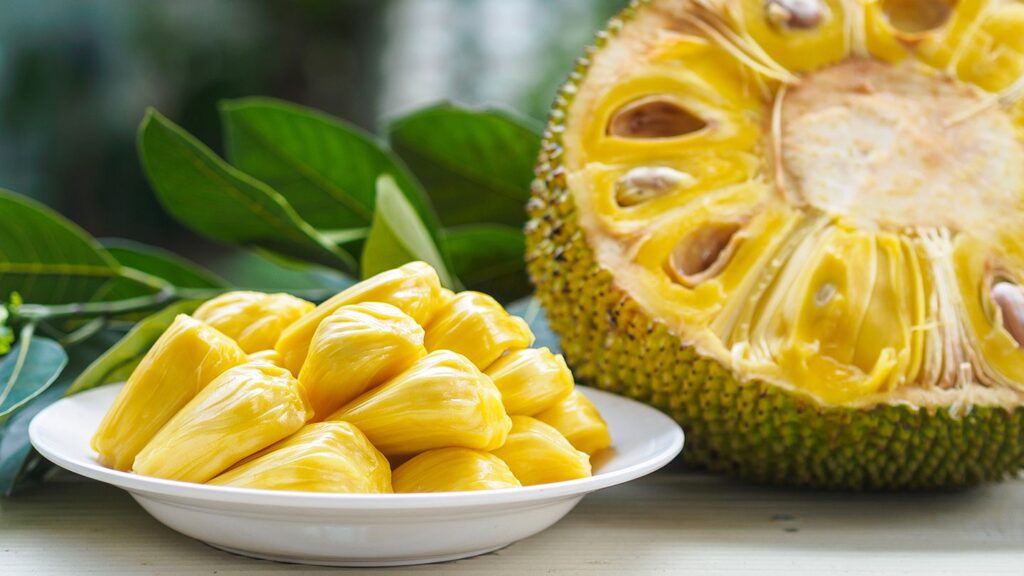
As we explore the world of exotic fruits, one that has gained significant attention in recent years is the jackfruit. Native to parts of Asia, this peculiar fruit has been gaining popularity due to its potential as a meat substitute. Let’s delve into its characteristics, health benefits, taste, and recipes.
What is Jackfruit?
The jackfruit is also known as “jaco” or “giaca,” with its scientific name being “Artocarpus heterophyllus.” This unusual fruit has many distinctive features, including its massive size, which can reach up to 3 feet in length and weigh up to 110 pounds. Its appearance is equally striking, featuring a thick, scaly skin adorned with small spines. When opened, the fruit reveals a large quantity of seeds covered by a fibrous pulp that has a sweet, mango-ananas-like flavor.
Properties of Jackfruit
This unusual fruit has been recognized for its numerous health benefits, making it an excellent addition to our diet. The jackfruit is rich in fiber, which can aid in digestion and prevent colon cancer. Its high content of vitamins C and B6 also enhances the immune system, while its flavonoids and carotenoids help protect vision and combat free radicals.
In addition to its nutritional benefits, the jackfruit has been used as a remedy for various ailments, such as skin issues and eye problems. Its potassium content helps regulate blood pressure, making it an excellent choice for athletes seeking energy-rich food.
Taste of Jackfruit
The aroma of the jackfruit is reminiscent of an incense made from mango and banana. When consumed, its taste is sweet and pleasant, with hints of vanilla, strawberry, and banana. Its high calorie content (95 kcal per 100g) may seem alarming, but it’s essential to note that this fruit is naturally low in fat.
Nutritional Breakdown
To put the nutritional value of jackfruit into perspective, here are its key components:
- Calories: 95 kcal per 100g
- Fat: 0.6g
- Cholesterol: 0mg
- Sodium: 2mg
- Potassium: 448mg
- Carbohydrates: 23g
- Sugars: 19g
- Fiber: 1.5g
- Protein: 1.7g
Jackfruit Recipes
When consuming jackfruit, it’s crucial to handle the fruit carefully, as its skin can be sticky. Here are some traditional recipes from Southeast Asia that you can try:
- Thai-Style Jackfruit Salad: Slice the ripe jackfruit and marinate it in a mixture of fish sauce, lime juice, and chili flakes.
- Vietnamese Jackfruit Soup: Cook the jackfruit with coconut milk, lemongrass, and star anise for a flavorful soup.
- Indian-Style Jackfruit Curry: Braise the jackfruit in a rich curry made with onions, ginger, garlic, and a blend of Indian spices.
In conclusion, the jackfruit is a versatile and nutritious fruit that deserves attention from health-conscious consumers. Its unique taste, rich nutritional profile, and numerous health benefits make it an excellent addition to our diet.
Frequently Asked Questions
- Is Jackfruit safe for consumption?
- Yes, jackfruit is generally considered safe for consumption.
- What are the health benefits of eating jackfruit?
- Jackfruit has been recognized for its antioxidant, anti-inflammatory, and immune-boosting properties.
- Can I use jackfruit as a meat substitute?
- Yes, jackfruit’s texture and flavor make it an excellent alternative to meat in many dishes.
- How do I prepare jackfruit for consumption?
- Jackfruit can be consumed raw or cooked. It is recommended to handle the fruit carefully, as its skin can be sticky.
- Is jackfruit a good source of protein?
- Yes, jackfruit contains approximately 1.7g of protein per 100g serving.
Health Benefits of Jackfruit
The numerous health benefits of jackfruit have garnered significant attention in recent years. Here are some key points to consider:
- Antioxidant properties: The flavonoids and carotenoids present in jackfruit contribute to its antioxidant profile, helping protect against oxidative stress and inflammation.
- Immune system support: Jackfruit contains high levels of vitamins C and B6, which play a crucial role in boosting the immune system and enhancing overall health.
- Digestive health: The fiber content in jackfruit aids in digestion and prevents colon cancer by promoting regular bowel movements and preventing constipation.
- Eye health: The antioxidants present in jackfruit help protect vision and combat age-related macular degeneration.
Nutritional Comparison
Jackfruit’s nutritional profile is comparable to that of other fruits, with some notable differences. Here’s a comparison with other popular fruits:
| Fruit | Calories per 100g | Fiber Content |
|---|---|---|
| Jackfruit | 95 kcal | 1.5g |
| Apple | 52 kcal | 2.4g |
| Banana | 105 kcal | 3.1g |
| Mango | 55 kcal | 2.6g |
Precautions and Side Effects
While jackfruit is generally considered safe for consumption, there are some precautions to be aware of:
- Allergic reactions: Some individuals may experience allergic reactions, such as hives or itching, after consuming jackfruit.
- Digestive issues: The high fiber content in jackfruit can cause digestive issues, such as bloating or gas, in some individuals.
Culinary Uses
Jackfruit’s unique texture and flavor make it an excellent addition to various dishes. Here are some popular culinary uses:
- Meat substitutes: Jackfruit is often used as a meat substitute due to its texture and flavor profile.
- Salads: The sweet, mango-ananas-like flavor of jackfruit makes it an excellent addition to salads.
- Soups: Cooking jackfruit with coconut milk and spices creates a flavorful soup.
Conclusion
The jackfruit is a versatile and nutritious fruit that deserves attention from health-conscious consumers. Its unique taste, rich nutritional profile, and numerous health benefits make it an excellent addition to our diet. By incorporating jackfruit into our diet, we can reap the benefits of this amazing fruit while exploring new culinary possibilities.


