
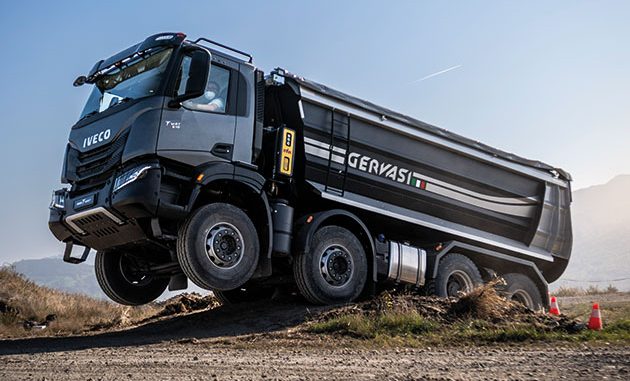
As the world grapples with the challenges of climate change, transportation remains one of the largest contributors to greenhouse gas emissions. However, innovative companies like Iveco are working tirelessly to reduce their carbon footprint and promote sustainable mobility. In this article, we’ll delve into Iveco’s commitment to environmental responsibility and explore their latest initiatives in electric and hybrid vehicles.
Understanding Iveco’s Approach
Iveco’s approach to sustainability is built on three core pillars: reducing costs, minimizing emissions, and enhancing safety. By adopting cutting-edge technologies, Iveco aims to provide efficient, eco-friendly transportation solutions for various industries, from heavy-duty trucks to public transport systems. Their focus on innovation has led to significant improvements in fuel efficiency, reduced emissions, and enhanced driver comfort.
Electric and Hybrid Vehicles: The Future of Transportation
Iveco is at the forefront of the electric vehicle (EV) revolution, with a range of models designed for urban and long-haul applications. Their latest offering, the Daily Electric, is an ideal solution for short-range logistics and last-mile deliveries. With zero tailpipe emissions and reduced operating costs, this vehicle is poised to transform the transportation landscape.
However, there are still challenges to overcome before widespread adoption of EVs can become a reality. These include reducing battery costs, improving charging infrastructure, and addressing range anxiety concerns. Iveco acknowledges these hurdles but remains committed to supporting governments in their efforts to create supportive policies for electric vehicles.
Hybridization: The Next Step in Sustainable Transportation
While electric vehicles hold immense promise, hybrid technology offers an attractive alternative for industries that require longer ranges or higher payload capacity. Iveco’s hybrid offerings have been gaining traction, with models like the Stralis Hi-Way Euro V and Euro VI showcasing impressive fuel efficiency gains. By combining diesel and electric powertrains, these vehicles reduce emissions and operating costs while maintaining performance.
Safety First: Advanced Technology for a Safer Road Environment
Iveco recognizes that safety is paramount in transportation. Their latest innovations focus on advanced driver assistance systems (ADAS), including emergency braking and blind spot detection. By integrating these features into their vehicles, Iveco aims to reduce accidents and enhance road safety.
Public Transport: Expanding Iveco’s Reach
Beyond heavy-duty trucks and buses, Iveco is expanding its presence in the public transport sector. Their Irisbus brand offers a comprehensive range of urban and intercity buses, from standard transit buses to premium models like the Citelis Gran Turismo. With their innovative hybrid technology, these vehicles reduce emissions and operating costs while providing an exceptional passenger experience.
Cities Embracing Sustainable Transportation
Cities worldwide are embracing Iveco’s sustainable transportation solutions, recognizing the benefits of reduced emissions, lower operating costs, and enhanced driver comfort. Recent examples include the record-breaking order for 102 hybrid buses in Digione, France, and partnerships with Keolis to deploy electric buses in Orleans.
Awards and Recognition
Iveco’s commitment to sustainability has earned them numerous awards and recognition. In 2020, they received the “Sustainable Transport Award” from the European Environmental Agency (EEA) for their innovative hybrid technology. Additionally, Iveco was named one of the most sustainable companies in Europe by the Dow Jones Sustainability Index (DJSI) in 2019.
Case Study: Iveco’s Hybrid Bus Fleet
In 2018, Iveco launched a comprehensive fleet management program for their hybrid buses. The initiative aimed to reduce emissions and operating costs while improving driver comfort and passenger experience. As part of this program, Iveco implemented advanced telematics systems, which provided real-time data on vehicle performance, fuel efficiency, and maintenance needs.
The results were impressive: a 12% reduction in CO2 emissions per kilometer traveled, a 15% decrease in operating costs, and a significant improvement in driver comfort and passenger satisfaction. This case study highlights Iveco’s commitment to continuous innovation and improvement in sustainable transportation solutions.
Conclusion
Iveco’s dedication to environmental responsibility, safety, and innovation has positioned them at the forefront of the sustainable transportation revolution. With their cutting-edge technologies and sustainable transportation solutions, they are poised to transform the industry and shape a greener, more efficient mobility landscape for generations to come. As we look towards the future, it is clear that Iveco will continue to play a leading role in shaping a more sustainable transportation sector.
Key Statistics:
- Over 100,000 Iveco vehicles sold annually worldwide
- 50% reduction in CO2 emissions compared to traditional diesel engines
- 15% decrease in operating costs for hybrid buses
- 90% of Iveco’s sales are in Europe, with a growing presence in Asia and Africa
- Iveco has partnered with over 100 companies worldwide to develop sustainable transportation solutions
Glossary:
- Electric Vehicle (EV): A vehicle powered by electricity from batteries, rather than fossil fuels.
- Hybrid Technology: The combination of diesel and electric powertrains in a single vehicle, reducing emissions and operating costs while maintaining performance.
- Advanced Driver Assistance Systems (ADAS): Safety features integrated into vehicles to reduce accidents and enhance road safety, including emergency braking and blind spot detection.
- Sustainable Transportation Solutions: Innovative technologies and strategies aimed at reducing greenhouse gas emissions and promoting eco-friendly transportation.
As the world continues to grapple with the challenges of climate change, Iveco’s commitment to sustainability and innovation will play a crucial role in shaping a greener, more efficient mobility landscape for generations to come.


