
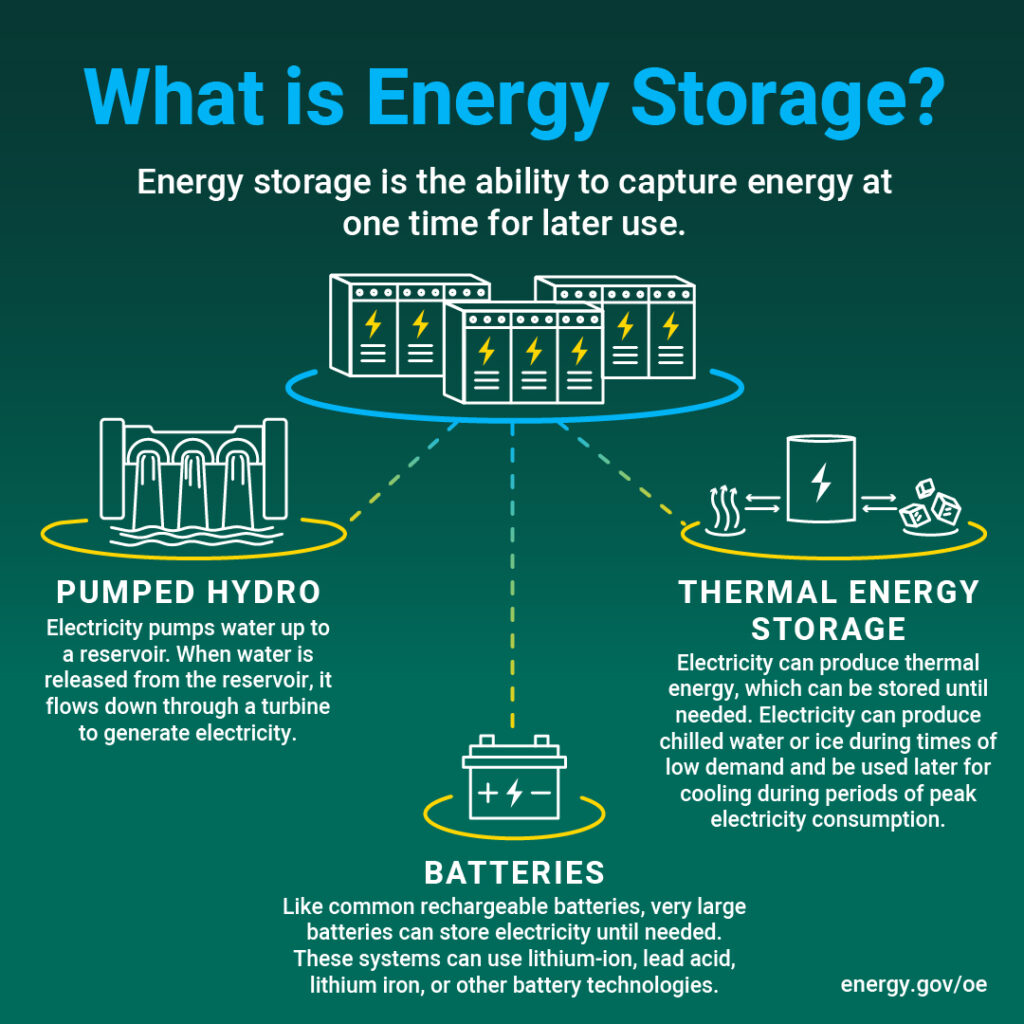
As we look to the future, it’s clear that energy storage is becoming a critical component of our transition to a more sustainable and renewable energy-based economy. The potential for energy storage to unlock the full potential of solar power is vast, and in this article, we’ll explore what this means for the industry and the role it will play in shaping our energy future.
The Rise of Solar Power
In recent years, solar power has experienced a surge in growth, with Italy, Germany, and the UK leading the way. According to a study by IMS Research, based on interviews with 400 solar power customers, 40% of installations completed in 2015 will feature energy storage systems.
The Importance of Energy Storage
Energy storage is not just a nicety; it’s a necessity for unlocking the full potential of solar power. As we transition to a more renewable energy-based economy, energy storage will play a critical role in ensuring a stable and reliable energy supply.
But what exactly is energy storage? Simply put, it’s the ability to store excess energy generated by solar panels during periods of high production, allowing for peak demand to be met when needed. This not only reduces strain on the grid but also provides a more efficient and cost-effective way to generate electricity.
The Challenges Facing Energy Storage
Despite its potential, energy storage still faces significant challenges. One major hurdle is the cost of batteries, which remains prohibitively expensive for many consumers. According to IMS Research, 60% of respondents believe that energy storage systems are economically viable, even with a 10-29% premium over traditional solar power systems.
Another challenge facing energy storage is the lack of standardization in terms of battery technology and design. This makes it difficult for manufacturers to produce batteries that meet specific requirements and can be easily integrated into existing infrastructure.
The Market for Energy Storage
So what’s driving demand for energy storage? In Italy, Germany, and the UK, the market is expected to grow significantly in the coming years. The California government has announced plans to require utility companies to install energy storage systems, while Germany is also considering similar legislation.
But it’s not just about the regulatory environment; the growing demand from residential customers is driving innovation in the energy storage sector. Companies are developing products specifically designed for this type of market, and we can expect to see significant investment in this area in the coming years.
Key Players in the Energy Storage Market
Several key players are leading the charge in the energy storage market. Some of the notable companies include:
- Tesla: Known for its innovative approach to energy storage, Tesla has made significant strides in developing battery technology that is both affordable and efficient.
- LG Chem: A leading provider of lithium-ion batteries, LG Chem has established itself as a major player in the energy storage sector.
- Sonnen: A German company specializing in residential energy storage solutions, Sonnen has gained widespread recognition for its innovative products.
The Future of Energy Storage
As we look to the future, it’s clear that energy storage will play a critical role in shaping our energy landscape. From reducing strain on the grid to providing a more efficient and cost-effective way to generate electricity, energy storage is poised to revolutionize the solar power industry.
But what does this mean for consumers? In short, it means that we can expect to see significant advancements in technology and innovation as the market continues to grow. As the demand for energy storage increases, so too will the availability of products designed specifically for residential customers.
Potential Applications of Energy Storage
Energy storage has a wide range of potential applications across various industries. Some of these include:
- Grid stabilization: Energy storage can help stabilize the grid by reducing peak demand and providing a buffer against power outages.
- Renewable energy integration: Energy storage can enable the integration of renewable energy sources, such as solar and wind power, into the grid.
- Peak shaving: Energy storage can help reduce peak demand by storing excess energy during periods of low production.
Challenges Facing Energy Storage in Different Regions
While energy storage has the potential to transform the solar power industry globally, there are specific challenges that face different regions. For example:
- In Europe, regulatory initiatives and tax incentives have been instrumental in driving growth in the market for energy storage.
- In California, the state’s commitment to renewable energy has led to a surge in demand for energy storage solutions.
The Role of Energy Storage in Shaping Our Energy Future
Energy storage is poised to play a critical role in shaping our energy future. As we transition to a more sustainable and renewable energy-based economy, energy storage will be essential in ensuring a stable and reliable energy supply.
By providing a buffer against power outages and reducing peak demand, energy storage can help reduce strain on the grid and provide a more efficient way to generate electricity. As the market continues to grow, we can expect to see significant advancements in technology and innovation that will further transform the solar power industry.
Conclusion
In conclusion, energy storage is becoming an increasingly critical component of our transition to a more sustainable and renewable energy-based economy. With its potential to unlock the full potential of solar power, energy storage has the potential to revolutionize the solar power industry.
As we look to the future, it’s clear that energy storage will play a critical role in shaping our energy landscape. From reducing strain on the grid to providing a more efficient and cost-effective way to generate electricity, energy storage is poised to transform the solar power industry for generations to come.
Frequently Asked Questions
- What is energy storage?
Energy storage refers to the ability to store excess energy generated by solar panels during periods of high production, allowing for peak demand to be met when needed. - Why is energy storage important?
Energy storage plays a critical role in ensuring a stable and reliable energy supply, reducing strain on the grid, and providing a more efficient and cost-effective way to generate electricity. - What are the challenges facing energy storage?
The major challenge facing energy storage is the high cost of batteries, which remains prohibitively expensive for many consumers. - Who will benefit from energy storage?
Residential customers, particularly those with solar panels, are expected to benefit from energy storage as it provides a more efficient and cost-effective way to generate electricity. - What does the future hold for energy storage?
As demand increases, we can expect to see significant advancements in technology and innovation in the energy storage sector. - How will regulations impact energy storage?
Regulatory initiatives, such as those announced by California and Germany, are expected to drive growth in the market for energy storage. - What is the current state of the energy storage market?
The market for energy storage is growing significantly, driven by demand from residential customers and regulatory initiatives. - How can consumers benefit from energy storage?
Consumers with solar panels can benefit from energy storage by reducing their reliance on the grid and providing a more efficient and cost-effective way to generate electricity.


