
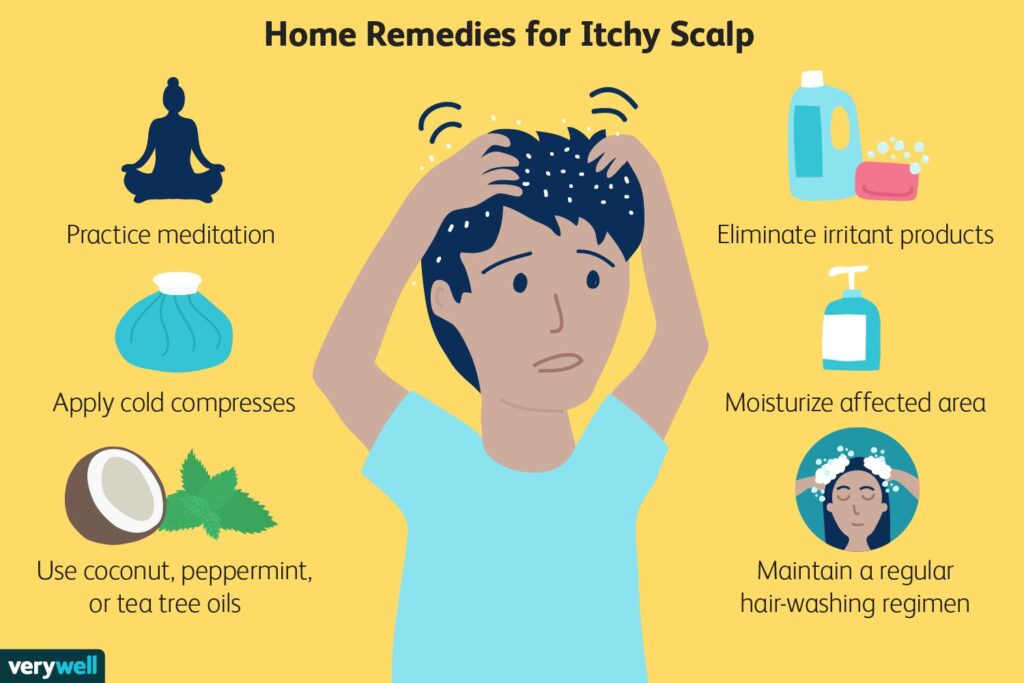
What is Head Pruritus?
Head pruritus, also known as itchy scalp or dandruff, is a common condition characterized by an itchy, flaky, or irritated scalp. It can be caused by various factors such as dryness, irritation, allergic reactions, or underlying skin conditions like eczema.
Causes of Head Pruritus
While the exact causes of head pruritus are not always clear, some common culprits include:
- Dryness and irritation: This can be caused by a lack of moisture in the air, harsh shampoos, or excessive heat styling.
- Allergies to hair care products or environmental allergens: Some people may experience an allergic reaction to certain ingredients in their hair care products or be sensitive to environmental allergens like pollen or dust.
- Eczema or other skin conditions: Conditions like psoriasis, dermatitis, and eczema can cause inflammation and irritation on the scalp, leading to head pruritus.
- Stress and anxiety: High levels of stress and anxiety can lead to an itchy scalp due to increased cortisol production, which can disrupt the natural balance of the skin.
- Poor scalp hygiene: Not washing your hair regularly or using harsh shampoos can lead to irritation and inflammation on the scalp.
Natural Remedies for Head Pruritus
Fortunately, there are several natural remedies that can help alleviate head pruritus. Some of the most effective ones include:
- Aloe Vera: Aloe vera has anti-inflammatory and soothing properties that can help calm an itchy scalp.
- Tea Tree Oil: Tea tree oil has antifungal and antibacterial properties that can help reduce inflammation and promote healthy hair growth.
- Coconut Oil: Coconut oil is rich in nutrients and fatty acids that can help moisturize and nourish the scalp.
Home Remedies for Head Pruritus
Here are some easy-to-make home remedies that you can try to alleviate head pruritus:
1. Aloe Vera Treatment
- Mix 2 tablespoons of aloe vera gel with 1 tablespoon of olive oil.
- Apply the mixture to your scalp and massage it in for 5-10 minutes.
- Leave it on for 30 minutes before shampooing.
2. Tea Tree Oil Treatment
- Mix 5 drops of tea tree oil with 1 teaspoon of coconut oil.
- Apply the mixture to your scalp and massage it in for 5-10 minutes.
- Leave it on for 30 minutes before shampooing.
3. Coconut Oil Treatment
- Massage 2 tablespoons of coconut oil into your scalp for 5-10 minutes.
- Leave it on overnight and wash it out with a gentle shampoo in the morning.
Dietary Changes to Help Alleviate Head Pruritus
In addition to using natural remedies, there are several dietary changes you can make to help alleviate head pruritus:
- Stay Hydrated: Drink plenty of water throughout the day to keep your skin and scalp hydrated.
- Avoid Irritating Foods: Avoid foods that can cause inflammation, such as spicy or acidic foods. Some common irritants include:
- Spicy foods like chili peppers
- Acidic foods like citrus fruits
- Processed meats
- Eat Omega-3 Rich Foods: Omega-3 rich foods like salmon and walnuts can help reduce inflammation.
- Include Antioxidant-Rich Foods: Foods high in antioxidants, such as berries and leafy greens, can help protect the skin from damage.
Prevention is Key
While head pruritus can be uncomfortable, there are several steps you can take to prevent it:
- Keep Your Scalp Clean: Wash your scalp regularly with a gentle shampoo.
- Avoid Irritating Products: Avoid using hair care products that contain harsh chemicals or artificial fragrances.
- Wear a Scalp-Covering Hat: Wearing a hat can help reduce irritation and prevent dandruff.
- Reduce Stress: Engage in stress-reducing activities, such as meditation, yoga, or deep breathing exercises.
Conventional Treatments for Head Pruritus
If natural remedies and dietary changes don’t provide relief, your doctor may recommend conventional treatments:
- Topical Steroids: Creams or shampoos containing topical steroids can help reduce inflammation.
- Antifungal Shampoos: Antifungal shampoos can help control fungal infections on the scalp.
- Prescription Medications: In some cases, prescription medications like corticosteroid creams may be prescribed to treat head pruritus.
Conclusion
Head pruritus is a common condition that can be caused by various factors. While it can be uncomfortable, there are several natural remedies and dietary changes you can make to alleviate the symptoms. By staying hydrated, avoiding irritating foods, and keeping your scalp clean, you can help prevent head pruritus and promote healthy hair growth.
Frequently Asked Questions (FAQs)
1. What is the best way to treat a itchy scalp?
The best way to treat an itchy scalp is with natural remedies like aloe vera, tea tree oil, and coconut oil. These ingredients have anti-inflammatory and soothing properties that can help calm an itchy scalp.
2. Can head pruritus be caused by stress?
Yes, stress can contribute to head pruritus. When you’re stressed, your body releases hormones that can cause inflammation and irritation in the skin and scalp.
3. How often should I wash my hair to prevent dandruff?
It’s recommended to wash your hair at least twice a week to keep your scalp clean and prevent dandruff.
4. Can head pruritus be caused by allergies?
Yes, head pruritus can be caused by allergies to hair care products or environmental allergens like pollen or dust.
5. How long does it take for natural remedies to work?
Natural remedies like aloe vera and tea tree oil can start working within a few days of use. However, the severity of symptoms may vary depending on individual factors.


