
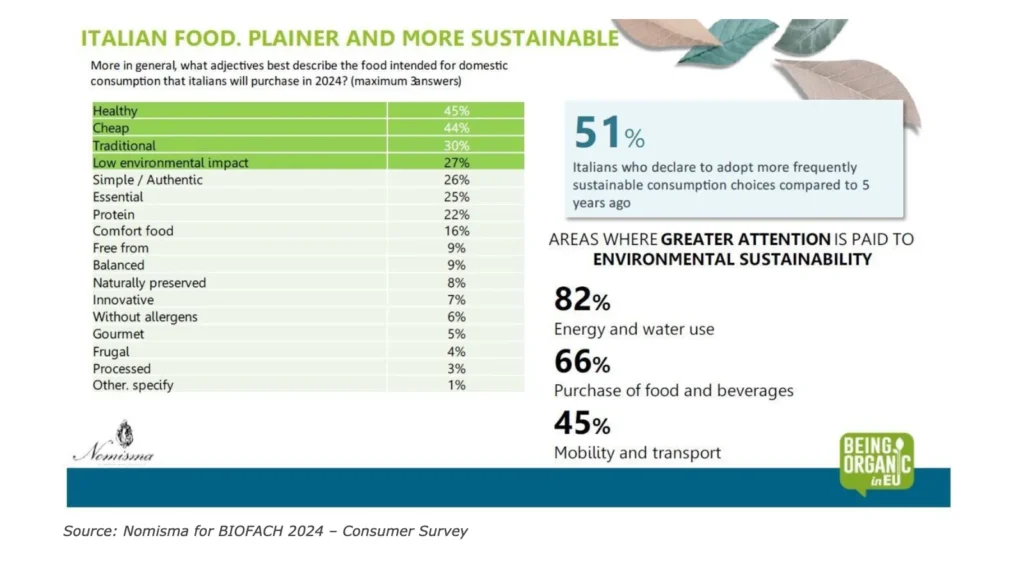
As the world continues to navigate the challenges of the COVID-19 pandemic, there’s a growing trend towards a greener and more sustainable food system. In Italy, this shift is being driven by a desire for healthier eating habits, reduced environmental impact, and increased national pride.
The “Made in Italy” label has become synonymous with excellence and quality, with many consumers willing to pay a premium for products that are not only delicious but also sustainable. But what’s behind this trend? We spoke with two leading experts in the field: Hellas Cena, a renowned doctor, nutritionist, and professor at the University of Pavia, and Massimo Labra, an expert in plant biology and founder of Best4Food. Their insights offer valuable insights into how food can play a role in preventing future pandemics.
The Rise of 100% Made in Italy Products
In the wake of the pandemic, Italian food producers have seen a surge in demand for high-quality, locally sourced products. The “Made in Italy” label has become synonymous with excellence and quality, with many consumers willing to pay a premium for products that are not only delicious but also sustainable.
But what’s behind this trend? We spoke with two leading experts in the field: Hellas Cena, a renowned doctor, nutritionist, and professor at the University of Pavia, and Massimo Labra, an expert in plant biology and founder of Best4Food. Their insights offer valuable insights into how food can play a role in preventing future pandemics.
The Link Between Nutrition and Disease
Hellas Cena emphasizes the importance of personalized nutrition in preventing illness. “A healthy diet is key to boosting our immune system,” she says. “But it’s not just about consuming more fruits and vegetables – it’s about making informed choices that take into account individual nutritional needs.”
Massimo Labra takes a broader view, highlighting the role of diet in preventing chronic diseases such as cancer, diabetes, and Alzheimer’s. “A balanced diet is essential for maintaining overall health,” he notes. “But we also need to consider the environmental impact of our food choices – after all, the way we produce and consume food can have far-reaching consequences.”
The Mediterranean Diet: A Key Factor in Disease Prevention
So what’s behind the success of the Mediterranean diet? According to Hellas Cena, it’s a combination of factors. “There are many reasons why this diet has been shown to be effective,” she says. “But one key factor is its emphasis on whole, unprocessed foods – think fruits, vegetables, whole grains, and healthy fats.”
Massimo Labra adds that the Mediterranean diet also benefits from the region’s unique cultural context. “Food is at the heart of our culture,” he notes. “We have a deep appreciation for the importance of family, tradition, and community when it comes to mealtime.”
The Role of Sustainability in Food Systems
As we look to the future, sustainability will play an increasingly important role in shaping food systems. According to Labra, this means adopting practices that prioritize environmental stewardship, social responsibility, and economic viability.
“This isn’t just about eating more locally sourced or organic foods,” he notes. “It’s about understanding the broader context of our food system – from the soil we grow on to the consumers who ultimately eat our products.”
The Future of Food: What’s in Store?
So what can we expect from the future of food? According to Hellas Cena, it’s all about embracing a more nuanced and multifaceted approach to nutrition. “There’s no one-size-fits-all solution when it comes to eating well,” she notes.
Massimo Labra takes a more expansive view, highlighting the potential for technology and innovation to transform the way we produce and consume food. “We’re living in an era of unprecedented change and disruption,” he says. “But that doesn’t mean we can’t create a more sustainable, equitable, and just food system.”
The Benefits of Sustainable Agriculture
Sustainable agriculture practices are essential for creating a greener and more resilient food system. According to Labra, these practices include using regenerative farming methods, reducing chemical use, and promoting biodiversity.
“The benefits of sustainable agriculture go far beyond the health benefits of eating locally sourced foods,” he notes. “It also has significant economic and environmental benefits – from improving soil health to reducing water pollution.”
The Importance of Urban Agriculture
Urban agriculture is another key factor in creating a more sustainable food system. According to Hellas Cena, urban gardens can provide fresh produce to local communities while also promoting social cohesion and community engagement.
“Urban agriculture is not just about growing fruits and vegetables,” she notes. “It’s about building stronger, more resilient communities – one that values health, sustainability, and social responsibility.”
Case Studies: Successful Sustainable Food Initiatives
Several successful sustainable food initiatives have emerged in recent years, showcasing the potential for local food systems to thrive. Here are a few examples:
-
Italy’s Slow Food Movement: The slow food movement is a global initiative that promotes local, seasonal foods and sustainable agriculture practices. In Italy, this movement has led to significant improvements in food production and consumption, from reducing pesticide use to promoting organic farming.
-
The Italian Green Economy: The Italian green economy is a program aimed at promoting sustainable economic growth through environmental innovation. One key aspect of the program is the development of sustainable food systems – including initiatives that support local agriculture, reduce waste, and promote eco-friendly packaging.
-
The Urban Agriculture Movement in Rome: In 2019, the city of Rome launched an urban agriculture initiative aimed at promoting community engagement and sustainable food production. The project includes a network of community gardens, rooftop gardens, and other green spaces – all designed to provide fresh produce to local residents while also promoting social cohesion.
FAQs
- What role does nutrition play in preventing future pandemics?
Nutrition plays a critical role in preventing illness and disease. By making informed choices about the foods we eat, we can boost our immune systems, reduce inflammation, and mitigate the risk of chronic diseases.
- How does the Mediterranean diet compare to other diets in terms of its health benefits?
The Mediterranean diet has been shown to be one of the healthiest diets on the planet – with numerous studies demonstrating its ability to prevent chronic disease, promote weight loss, and improve overall well-being.
- What are some key takeaways from the recent pandemic for food systems?
The recent pandemic has highlighted the need for more sustainable, equitable, and just food systems. This includes adopting practices that prioritize environmental stewardship, social responsibility, and economic viability.
- How can individuals make a positive impact on their health through nutrition?
Individuals can take steps to improve their health by making informed choices about the foods they eat – including focusing on whole, unprocessed foods; staying hydrated; and limiting sugar and salt intake.
- What is the relationship between food systems and global health?
The relationship between food systems and global health is complex and multifaceted. Food systems can have far-reaching consequences for human health, from the soil we grow on to the consumers who ultimately eat our products.
- How can food producers prioritize sustainability in their operations?
Food producers can take steps to prioritize sustainability by adopting practices that reduce environmental impact, promote social responsibility, and boost economic viability – including sourcing locally sourced ingredients, reducing packaging waste, and investing in renewable energy.
- What are some potential solutions for addressing global food insecurity?
Some potential solutions for addressing global food insecurity include increasing access to nutritious foods; improving agricultural productivity; and promoting sustainable agriculture practices.
- How can governments support the development of more sustainable food systems?
Governments can take steps to support the development of more sustainable food systems by investing in research and development, implementing policies that promote sustainability, and providing incentives for sustainable food production and consumption.
In conclusion, the relationship between food, health, and sustainability is complex and multifaceted. By adopting practices that prioritize environmental stewardship, social responsibility, and economic viability, we can create a more resilient and equitable food system – one that benefits both human health and the environment.


