
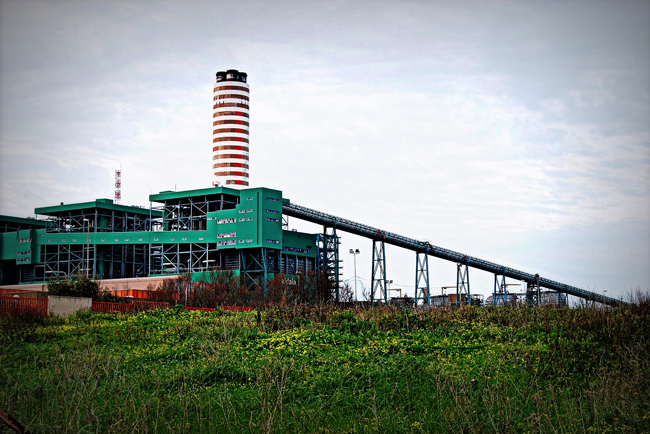
As the global energy landscape continues to shift towards cleaner and more sustainable sources of power, Italy is taking a significant step forward in its own transition. The country has announced that it will be shutting down three of its most polluting power plants, marking the first major impact of renewable energy on the Italian energy scene.
The Polluting Power Plants
These three power plants – one oil-fired and two coal-fired – have been major contributors to Italy’s environmental problems for years. The oil-fired plant at Edipower’s facility in San Filippo del Mela, near Messina, has been struggling with issues related to its Authorisation Integrata Ambientale (Environmental Integration Permit). Despite these challenges, the plant still managed to produce 1,280 MW of electricity.
The coal-fired power plant in Brindisi has also been facing difficulties, including a prolonged period of court action that led to it reopening at reduced capacity. The plant’s 1,280 MW output was already well below its peak, but the fact that it can still operate at all is a testament to the ongoing challenges faced by traditional energy sources.
The Rise of Renewables
So what’s driving this shift towards cleaner energy? In Italy, as in many other countries around the world, the cost of renewable energy is becoming increasingly competitive with fossil fuels. The cost of solar and wind power has fallen dramatically in recent years, making them more attractive to investors and consumers alike.
As a result, Italy is seeing a surge in demand for renewable energy. The country’s goal of reducing greenhouse gas emissions and transitioning to a low-carbon economy is gaining momentum, driven by both government policies and private sector investment.
A New Era for Italian Energy
The shutdown of these three power plants marks an important milestone on Italy’s path towards cleaner energy. It shows that the country is serious about addressing its environmental challenges and reducing its reliance on polluting fossil fuels.
But it also highlights the need for continued innovation and investment in renewable energy technologies. As Italy looks to the future, it will be crucial to ensure that the energy sector continues to evolve and adapt to changing market conditions and technological advancements.
The Future of Energy
So what does this mean for the future of energy in Italy? One thing is clear: the days of coal and oil are numbered. Renewable energy sources like solar, wind, and hydroelectric power will play an increasingly important role in meeting Italy’s energy needs.
But it won’t be easy. The transition to a low-carbon economy requires significant investment and policy support. It also demands a fundamental shift in how we think about energy production and consumption – one that prioritizes efficiency, sustainability, and the environment.
The Benefits of Renewable Energy
Renewable energy sources like solar and wind power offer a number of benefits for Italy’s energy landscape. These include:
- Reduced greenhouse gas emissions: By switching to renewable energy sources, Italy can significantly reduce its carbon footprint and contribute to global efforts to combat climate change.
- Improved air quality: Fossil fuels are major contributors to air pollution in Italy. By reducing our reliance on these fuels, we can improve air quality and protect public health.
- Energy security: Renewable energy sources like solar and wind power offer a reliable source of energy that is not subject to price volatility or supply disruptions.
- Economic benefits: The renewable energy industry is creating new jobs and driving economic growth in Italy.
Challenges Ahead
Despite the many benefits of renewable energy, there are still significant challenges ahead for Italy’s energy sector. These include:
- Intermittency: Renewable energy sources like solar and wind power are intermittent, meaning that they are not always available when they are needed.
- Energy storage: To address the intermittency of renewable energy sources, Italy will need to invest in energy storage technologies like batteries and pumped hydroelectric storage.
- Grid infrastructure: The transition to a low-carbon economy will require significant upgrades to Italy’s grid infrastructure to accommodate the integration of renewable energy sources.
Conclusion
As Italy closes its most polluting power plants, it’s taking a crucial step towards a cleaner, more sustainable future. But there’s still much work to be done. By investing in renewable energy technologies, promoting energy efficiency, and supporting low-carbon industries, Italy can create a brighter future for itself and for generations to come.
Frequently Asked Questions
-
What are the three power plants that have been shut down?
The three power plants that have been shut down are Edipower’s oil-fired plant at San Filippo del Mela, Brindisi coal-fired power plant, and Falconara raffineria and centrale elettrica. -
Why were these power plants shut down?
These power plants were shut down due to a combination of factors, including environmental concerns, economic challenges, and the increasing competitiveness of renewable energy sources. -
What does this mean for Italy’s energy landscape?
The shutdown of these three power plants marks an important milestone on Italy’s path towards cleaner energy. It shows that the country is serious about addressing its environmental challenges and reducing its reliance on polluting fossil fuels. -
How will Italy meet its energy needs in the future?
In the future, Italy will rely increasingly on renewable energy sources like solar, wind, and hydroelectric power to meet its energy needs. This will require significant investment and policy support to ensure that these technologies are developed and deployed efficiently. -
What role will energy efficiency play in Italy’s transition to a low-carbon economy?
Energy efficiency will play a crucial role in Italy’s transition to a low-carbon economy. By promoting energy-efficient practices and technologies, the country can reduce its energy consumption and dependence on fossil fuels. -
How can Italy support low-carbon industries?
Italy can support low-carbon industries by providing incentives for innovation, investing in research and development, and creating policies that promote sustainable growth. -
What’s next for Italy’s energy sector?
In the coming years, Italy will need to continue innovating and adapting to changing market conditions and technological advancements. This will require a commitment to renewable energy, energy efficiency, and sustainable growth. -
How can individuals in Italy make a difference?
Individuals in Italy can make a difference by making conscious choices about their energy consumption, investing in renewable energy technologies, and advocating for policies that support clean energy development.
Recommendations
To support the transition to a low-carbon economy in Italy, we recommend the following:
- Invest in renewable energy: Invest in renewable energy technologies like solar, wind, and hydroelectric power to meet Italy’s energy needs.
- Promote energy efficiency: Promote energy-efficient practices and technologies to reduce energy consumption and dependence on fossil fuels.
- Support low-carbon industries: Provide incentives for innovation, invest in research and development, and create policies that promote sustainable growth.
- Develop a grid infrastructure plan: Develop a plan to upgrade Italy’s grid infrastructure to accommodate the integration of renewable energy sources.
- Educate and engage citizens: Educate and engage citizens about the benefits of clean energy and the importance of taking action to reduce greenhouse gas emissions.
By following these recommendations, Italy can create a brighter future for itself and for generations to come.


