
Introduction
As we navigate the complexities of modern transportation, one trend stands out from the rest: the growing popularity of cycling among Italians. With over 1.75 million bicycles sold in 2011, Italy has taken a significant leap forward in embracing pedal power as a viable alternative to cars. But what drives this shift towards a more eco-friendly and health-conscious lifestyle? In this article, we’ll delve into the world of Italian cycling culture, exploring the reasons behind its popularity and the impact it’s having on the country’s transportation landscape.
The Numbers Don’t Lie
In 2011, Italy recorded an astonishing 1.748 million registered cars, while a staggering 1.750 million bicycles were sold. This may seem like a small difference, but it highlights a significant trend: cycling is gaining ground on the automotive industry in Italy. Furthermore, this growth is not a one-time phenomenon; bicycle sales have been increasing steadily over the past few years, with a notable 20% rise from 2010 to 2011.
According to data from the Italian National Institute of Statistics (ISTAT), the number of registered bicycles in Italy has increased by more than 25% since 2007. This impressive growth is not limited to urban areas; cycling popularity is on the rise across all regions, with a notable increase in bicycle sales among young adults.
A Shift Towards Sustainability
So, what’s behind this sudden surge in cycling popularity? One reason may be the rising cost of gasoline. As fuel prices continue to soar, more and more Italians are turning to bicycles as an affordable alternative. Another factor is the growing awareness of environmental concerns; as a carbon-intensive mode of transportation, cars are increasingly seen as a contributor to air pollution and climate change.
The European Union’s efforts to reduce greenhouse gas emissions have also played a significant role in promoting cycling. In 2010, the EU launched its “Bicycle Action Plan,” aimed at increasing cycling infrastructure, improving road safety, and promoting sustainable mobility.
The Rise of Urban Cycling
Cycling’s popularity among Italians can be attributed, in part, to its appeal as a means of urban mobility. Commuters prefer pedaling to work, school, or university over driving, citing the numerous benefits of cycling: reduced emissions, improved cardiovascular health, and increased access to bike lanes and cycling infrastructure.
Cities like Rome, Milan, and Turin have invested heavily in creating bike-friendly environments, with the construction of dedicated bike lanes, pedestrianized zones, and bike-share programs. These efforts have not only made urban cycling safer but also more convenient, attracting a new generation of cyclists who value sustainability and health above all else.
Bicycle Sales: A Sector on the Rise
So, which types of bicycles are flying off the shelves? The answer lies with urban bikes. These sleek, versatile vehicles are tailored to meet the demands of city dwellers, providing a comfortable ride and practical storage solutions.
Urban bikes have become increasingly popular among Italian cyclists, who value their convenience and style. With brands like Bianchi, Pinarello, and Cannondale dominating the market, Italians can choose from a wide range of models designed specifically for urban riding.
A New Era in Transportation
The rise of cycling in Italy has significant implications for the country’s transportation landscape. With more people turning to bicycles as their primary mode of transportation, cities can expect a reduction in traffic congestion and air pollution.
Moreover, this shift towards sustainable mobility will lead to increased investment in cycling infrastructure – bike lanes, bike-share programs, and improved road safety. Governments and private companies are responding by launching innovative initiatives aimed at promoting cycling, such as bike-sharing schemes and smart traffic management systems.
The Future of Cycling in Italy
As the Italian cycling industry continues to grow, it’s clear that the country is on the cusp of a transportation revolution. With the Stati Generali della Bicicletta e della Mobilità Nuova (Bicycle and New Mobility State Congress) taking place in October 2012, policymakers and industry leaders will gather to discuss strategies for promoting cycling as a viable transportation option.
The congress aims to address key issues, such as bike lane design, road safety standards, and the development of sustainable mobility plans. By fostering collaboration between government agencies, private companies, and civil society organizations, Italy can ensure that its cycling revolution benefits both citizens and the environment.
Case Studies: Successful Cycling Initiatives in Italy
Case Study 1: Rome’s Bike-Lane Revolution
Rome has been at the forefront of Italy’s cycling revolution. In 2008, the city launched its “Bike Lane Project,” aiming to create a network of dedicated bike lanes across the city. The initiative was met with widespread success, attracting thousands of cyclists and reducing traffic congestion.
Today, Rome boasts an impressive network of bike lanes, including the popular Via Appia Antica, which has become a favorite among commuters and tourists alike. The city’s commitment to sustainable mobility has inspired other cities to follow suit.
Case Study 2: Milan’s Bike-Sharing Scheme
In 2008, Milan launched its bike-sharing scheme, “MyBike,” aimed at promoting cycling as a viable transportation option for the city’s residents. The program has been an overwhelming success, with over 100,000 registered users and thousands of bikes distributed across the city.
The success of MyBike can be attributed to its user-friendly interface, affordable subscription fees, and comprehensive network of bike stations. Milan’s initiative has set a benchmark for other cities to follow, showcasing the potential of bike-sharing schemes in promoting sustainable mobility.
Conclusion
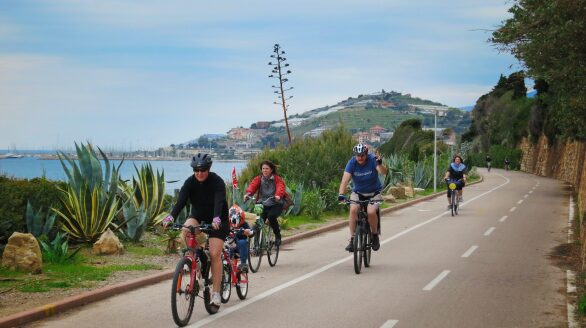
As we gaze out at Italy’s scenic landscapes, it’s clear that the country has a new passion – one that’s not just about sightseeing but also about sustainability. By embracing pedal power, Italians are redefining their relationship with transportation and paving the way for a cleaner, healthier future.
With its impressive cycling infrastructure, innovative initiatives, and growing popularity among citizens, Italy is poised to become a leader in sustainable mobility. As we look towards the future, it’s clear that cycling will continue to play a vital role in shaping Italy’s transportation landscape.
Frequently Asked Questions (FAQs)
Q: What’s driving the growth of cycling in Italy?
A: Rising fuel costs, growing environmental awareness, and increased urban mobility are all contributing factors to Italy’s cycling boom.
Q: Which type of bicycle is most popular among Italians?
A: Urban bikes are flying off the shelves, catering to the demands of city dwellers for a comfortable ride, practical storage solutions, and versatility.
Q: What are the benefits of cycling in urban areas?
A: Cycling offers numerous benefits, including reduced emissions, improved cardiovascular health, increased access to bike lanes, and easier navigation through congested streets.
Q: How is Italy’s cycling industry evolving?
A: The country is investing heavily in cycling infrastructure, such as bike lanes, bike-share programs, and road safety initiatives, to promote sustainable mobility.
Q: What can we expect from the Stati Generali della Bicicletta e della Mobilità Nuova?
A: Policymakers and industry leaders will gather to discuss strategies for promoting cycling as a viable transportation option and shaping the future of Italian mobility.


